What is a Rigid Box?
Your premium product deserves better than a flimsy box. Poor packaging can damage your brand’s image. Rigid boxes provide the strength and luxury feel that elevates your product instantly.
Rigid box packaging1 is a type of premium, sturdy packaging made from thick paperboard. It’s not collapsible like folding cartons. This creates a durable, high-end feel, often used for luxury goods like electronics, cosmetics, and jewelry to enhance the unboxing experience and protect the product.

Over my years in packaging, my proudest moments aren’t about big orders. They are about seeing a client’s product shine on the shelf because of our box. A customer once told my client, "I couldn’t bear to throw away this box." This is the power of great packaging. A rigid box is like a silent salesperson; it speaks of quality without saying a word. To really understand its value, we need to break down what makes it so special. Let’s look closer at what "rigid box" really means.
What does "rigid box" mean?
You need premium packaging, but terms like "rigid box" can be confusing. Misunderstandings with suppliers are costly. Knowing the exact definition helps you source the right box with confidence.
A "rigid box" means a non-collapsible box constructed from high-density paperboard, typically 2-3mm thick. This robust core, often called greyboard or chipboard, is then wrapped with a decorative paper2 or fabric. The result is a durable, premium-feeling box that holds its shape and communicates luxury.
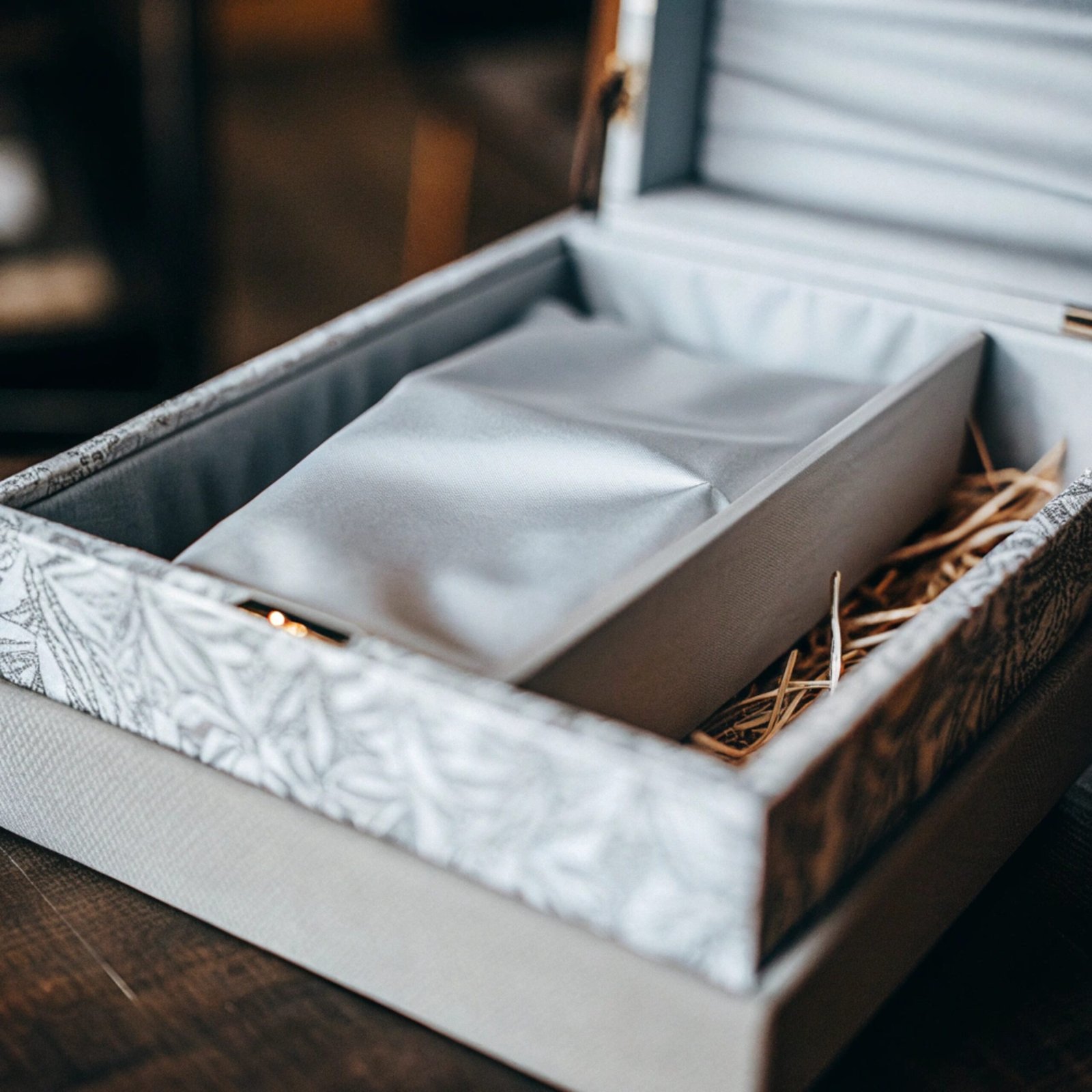
When I work with brand managers like Anne, clarity is key. The term "rigid box" describes a specific construction method, not just a feeling of sturdiness. It’s about a two-part process. First, we create the “skeleton” of the box using a thick, dense paperboard. This material is not meant to be folded or flattened after assembly, which is why we call it rigid. Next, we give it its "skin". We laminate a high-quality paper or other material onto this skeleton. This wrap paper is where your branding lives; it can be printed, embossed, or have a unique texture. The combination of a strong core and a beautiful exterior is what defines a rigid box. This method gives you a final product that feels substantial and protective, unlike a standard folding carton that ships flat. It tells your customer that the item inside is valuable before they even open it.
What does "rigid packaging" mean?
Understanding "rigid box" is one thing, but what about the broader term "rigid packaging"? This can cause confusion when sourcing materials. It is important to know the difference.
"Rigid packaging" is a broad category for any container that holds its shape and does not collapse when empty. It includes materials like glass, hard plastics, metal, and heavy paperboard. Rigid boxes are a specific type of rigid packaging made from paperboard.

The term "rigid packaging" covers a wide range of materials, and it’s a useful concept for a purchasing manager. Think of it as an umbrella term. A glass perfume bottle is rigid packaging. A plastic jar for cosmetics is rigid packaging. A metal tin for tea is rigid packaging. And yes, a paperboard gift box for a new smartphone is also rigid packaging3. The common feature is that they all provide excellent structural protection because they don’t bend or change shape easily. This makes them ideal for fragile products, high-value items, or products that need to be stacked in a warehouse or on a retail shelf. So, when we talk about rigid boxes, we are focusing on one specific, very premium solution within this larger family of protective packaging options. For brands focused on sustainability and premium paper-based solutions, the rigid box is the top choice in this category.
What is an example of a rigid box?
You know the theory, but seeing real-world examples makes the concept click. You’ve likely handled many rigid boxes without thinking about their specific name. They are everywhere in high-end retail.
A perfect example of a rigid box is the packaging for a new smartphone, like an iPhone. It features a sturdy base and a perfectly fitting lid, feels substantial and protective, and often includes custom inserts to hold the device and accessories securely in place.
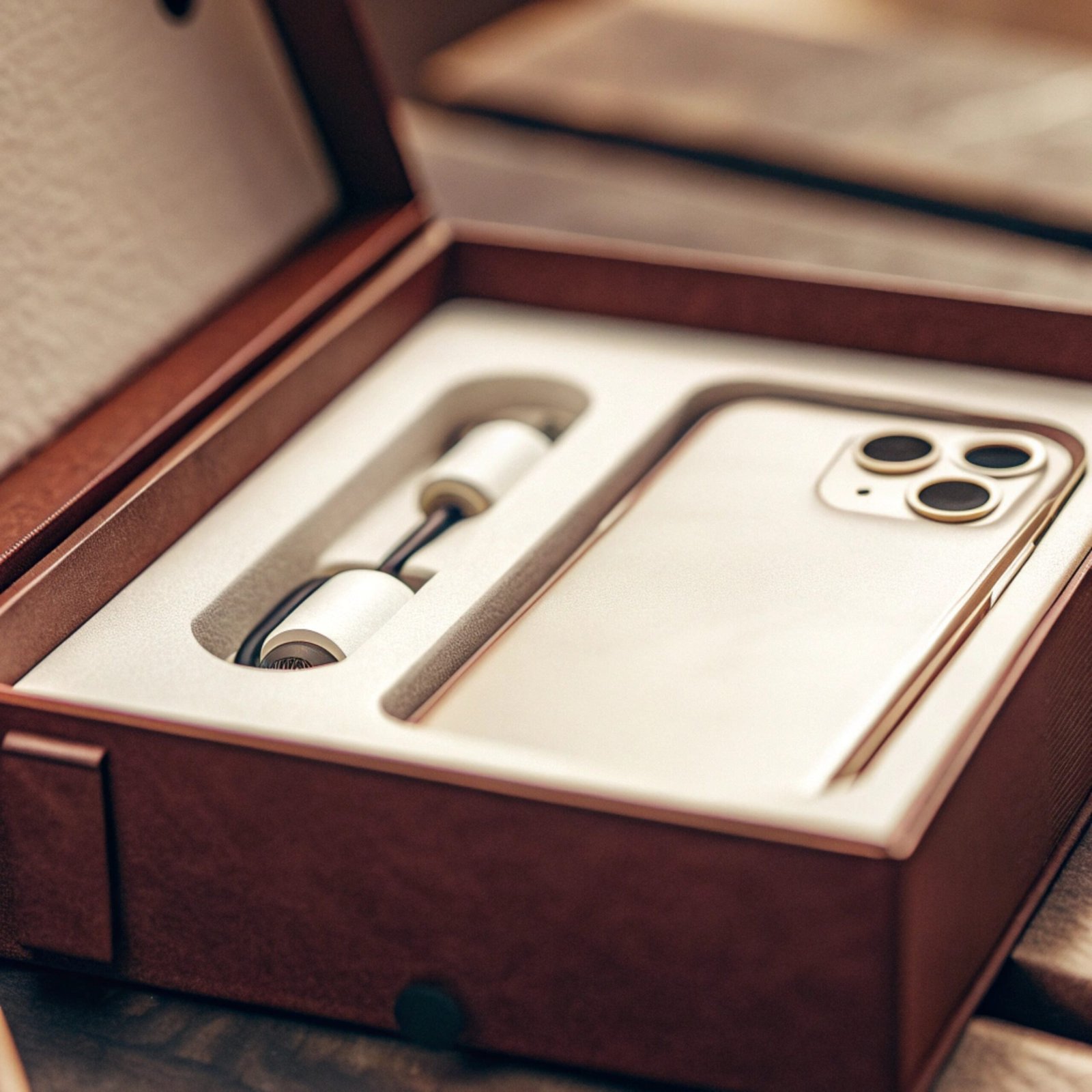
The smartphone box is the classic example I use with all my clients. Think about that unboxing experience. The lid lifts off slowly with a bit of air resistance. The phone is revealed, nestled perfectly in a custom-fit tray. Every accessory has its own compartment. This is all by design. The entire package is heavy, solid, and feels incredibly well-made. This is the magic of a rigid box. It turns a simple purchase into a memorable event. Another great example is a luxury watch box4 or a high-end jewelry box. It’s often lined with velvet or satin and has a magnetic closure that clicks shut with a satisfying sound.
Here are a few common examples:
| Product Category | Rigid Box Example | Key Features |
|---|---|---|
| Electronics | Smartphone or headphone box | Tray inserts, magnetic closure, high-quality print |
| Cosmetics | Luxury perfume or skincare set box | Embossing, foil stamping, special textures |
| Food & Beverage | High-end chocolate or whiskey box | Window patching, product dividers, premium feel5 |
| Apparel | Luxury shoebox or gift set box | Ribbon pulls, custom interior printing |
Each of these examples uses the rigid box to protect the product and elevate the brand’s perceived value.
What is an example of a rigid packaging?
We know a rigid box is one type of rigid packaging. But what are some other examples? This helps to place the rigid box in the wider context of your sourcing decisions.
A glass wine bottle is a classic example of rigid packaging. It is unyielding, protects the liquid inside from external pressure, and holds its distinct shape on the shelf and in transit. Other common examples include hard plastic tubs for food and metal cans.

As a packaging partner, I help my clients choose the right material for their product. Sometimes, a paperboard rigid box is the perfect fit. Other times, the product demands something else from the rigid packaging family. For instance, a winemaker client would never use a paperboard box as the primary container. Their product requires a glass bottle—a classic form of rigid packaging—to preserve the wine’s quality. Similarly, a company selling yogurt would use a rigid plastic tub to contain the product and keep it fresh. The key is that the packaging’s form is fixed and provides a solid barrier. Let’s compare a few examples to see this clearly.
| Packaging Type | Material | Key Characteristic | Common Use |
|---|---|---|---|
| Rigid Box | Paperboard | Premium, customizable, protective | Luxury goods, electronics |
| Glass Jar | Glass | Impermeable, transparent, recyclable | Jams, sauces, cosmetics |
| Plastic Tub | Hard Plastic | Lightweight, moisture-resistant | Yogurt, ice cream, butter |
| Metal Can | Aluminum/Steel | Airtight, durable | Beverages, canned foods |
All these are "rigid packaging," but they serve different functions. Understanding this helps you, the purchasing manager, make an informed decision based on your product’s specific needs—from protection and preservation to branding and sustainability goals.
Conclusion
Rigid boxes are more than just containers. They are a powerful statement about your brand’s quality and value. Choosing the right one can make your product truly sing on the shelf.
-
Explore this link to understand how rigid box packaging can enhance your product’s presentation and protect its quality. ↩
-
Discover the various types of decorative paper that can enhance the aesthetic appeal of your packaging. ↩
-
Find out which packaging materials are best suited for luxury products to ensure quality and appeal. ↩
-
Discover the unique features of luxury watch boxes that enhance the product’s perceived value. ↩
-
Explore the elements that contribute to a premium feel in packaging and how they affect consumer perception. ↩