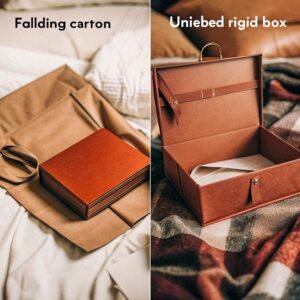
Your premium product deserves more than a flimsy carton. Poor packaging can damage products and ruin your brand’s reputation. Rigid boxes provide the structural integrity and high-end feel that protect and elevate your brand.
Rigid boxes, also known as set-up boxes, are used for high-value products to enhance their perceived value and provide superior protection. They are perfect for luxury goods, electronics, cosmetics, and premium gifts, creating a memorable unboxing experience that communicates quality and elevates the brand’s premium positioning.
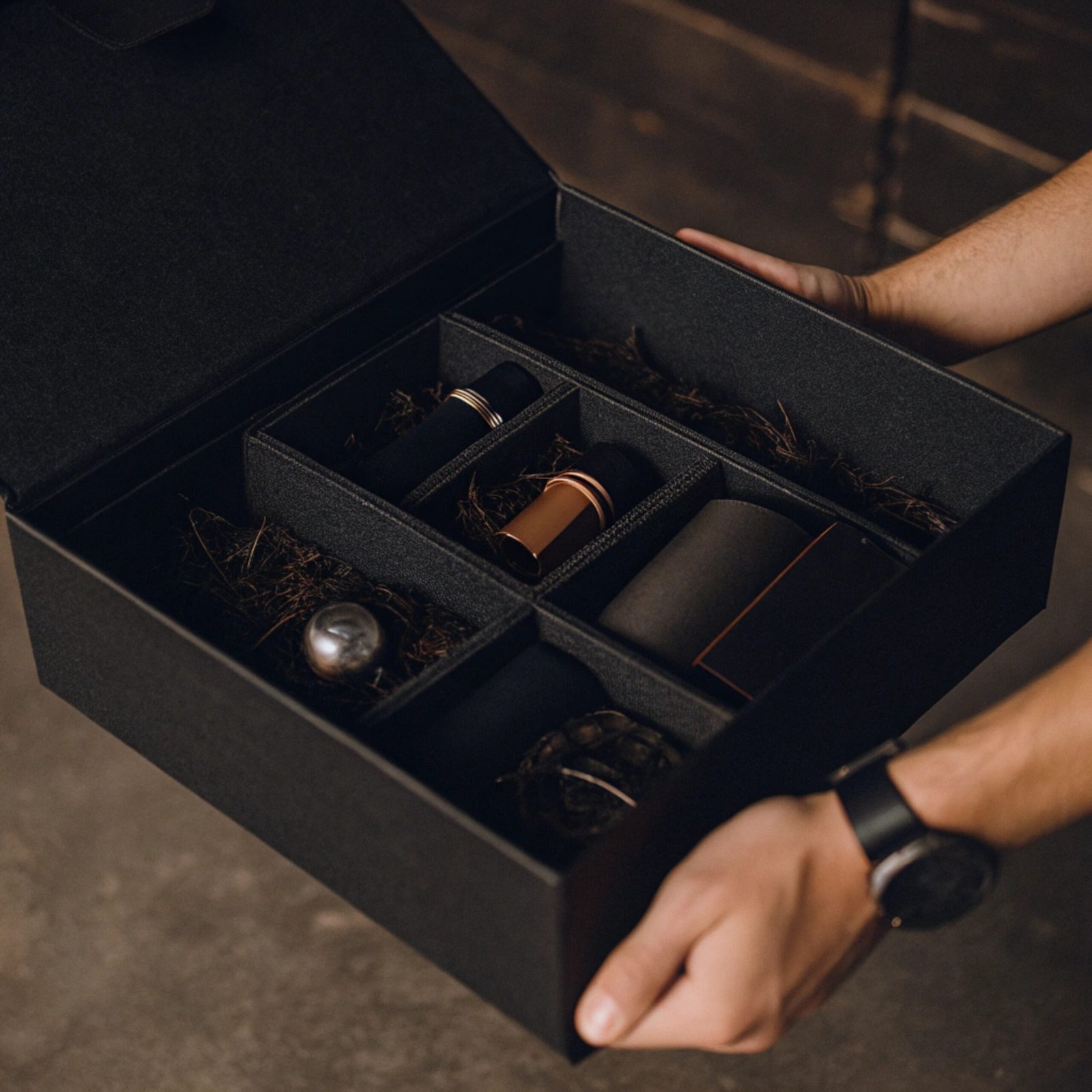
I once received photos from a Swiss client. They showed an instrument case we had designed years ago, now repurposed as a specimen container in their lab. The original shipping label was still on the lid. This small moment showed me the true power of a well-made rigid box. It’s not just packaging; it becomes a part of the product’s life. This durability and premium feel are at the core of why brands choose them. But a question I often get is about their practicality beyond the shelf.
Can rigid boxes be used for shipping?
You love the premium feel of rigid boxes but worry about shipping them directly. Using a separate shipping box adds cost, waste, and complexity to your fulfillment process. With the right design, rigid boxes can absolutely double as your primary shipping container.
Yes, rigid boxes can ship directly, but they must be engineered for it. This often means thicker boards, secure locking mechanisms, and protective inserts. For maximum protection, most brands still place the rigid box inside a standard corrugated shipping carton to preserve its finish.
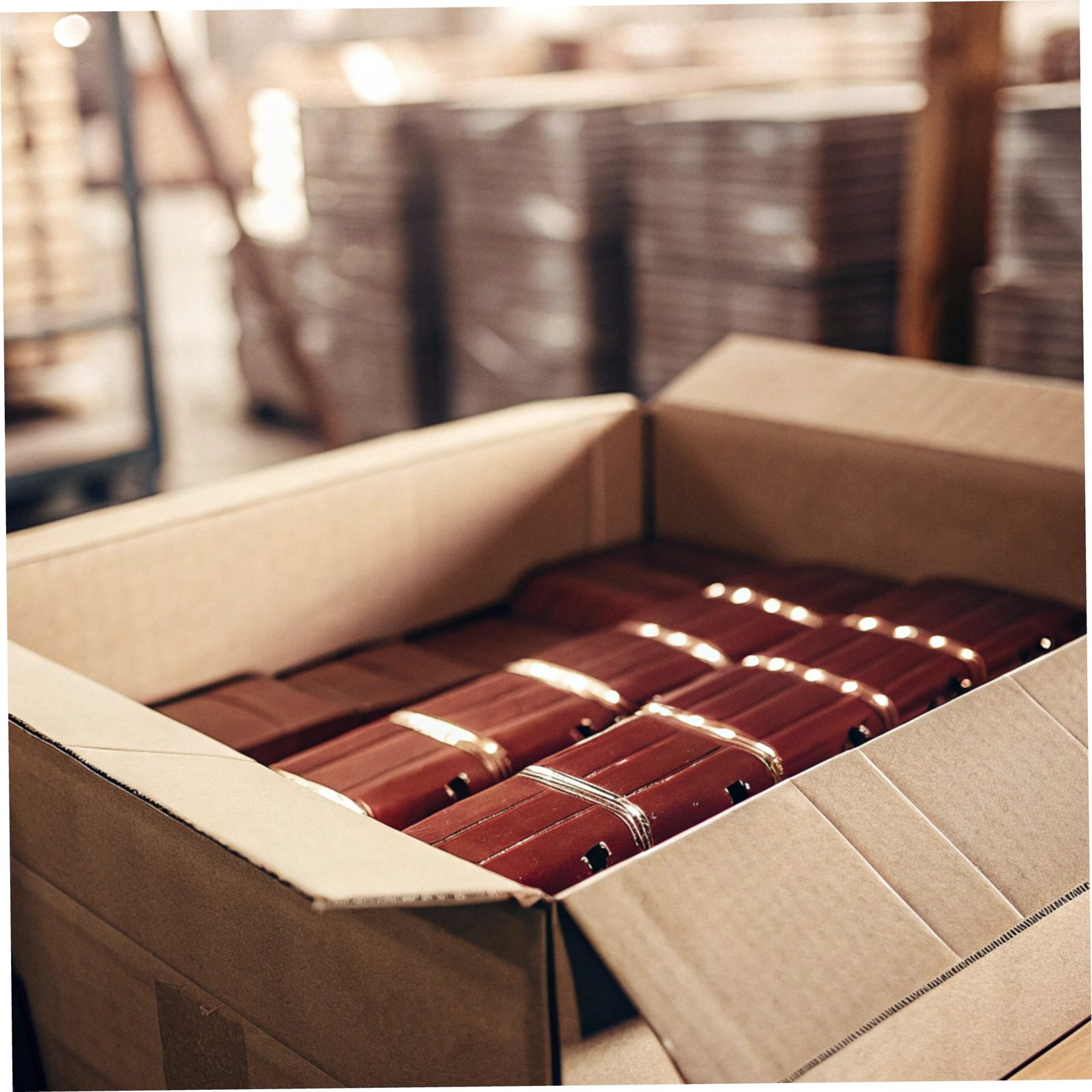
The decision to ship a rigid box directly depends on balancing brand experience, cost, and product safety. A rigid box that arrives on a customer’s doorstep as the primary package offers an incredible unboxing experience. It feels like receiving a special gift. However, it’s also exposed to the harsh realities of logistics: scuffs, dirt, and impacts. My Swiss client’s instrument box was a great example. It was designed to be a "mobile harbor" for the sensitive equipment inside. In their email, they wrote, "This box taught us: the best protection is not confinement, but giving precision a space to breathe freely." This is the goal.
Comparing Shipping Methods
To make the right choice, you need to weigh the pros and cons. Here is a simple breakdown to help you decide what works best for your product and budget.
| Feature | Direct Shipping Rigid Box | Rigid Box in a Shipper |
|---|---|---|
| Unboxing Feel | Very premium, direct-to-product | Two-step, less impressive initially |
| Box Condition | Prone to scuffs, dents, and labels | The rigid box arrives pristine |
| Protection | Good, requires inserts and strong walls | Excellent, double-layer protection |
| Cost & Materials | Higher single-unit cost, less waste | Two separate boxes, more material |
Ultimately, the best solution respects the product. For an ultra-luxury item, placing it inside a shipper ensures it arrives in perfect condition. For a durable product, a well-designed mailer-style rigid box can provide a unique and sustainable solution.
What is the difference between a rigid box and a tuck box?
You’re choosing between packaging options but the terms are confusing. Picking the wrong type means you either overspend on a simple product or cheapen the feel of a premium one, hurting your budget or brand image. Understanding their core differences makes the choice simple.
The main difference is construction. A rigid box is made from thick, non-collapsible chipboard wrapped in paper, giving it a sturdy, premium feel. A tuck box, or folding carton, is made from a single piece of paperboard that is die-cut, scored, and shipped flat.

Think of it like this: a rigid box is like a hardcover book, while a tuck box is like a magazine. One is built for permanence and protection, the other for efficiency and retail display. I remember working with an artisanal food producer. They initially wanted a folding carton for their premium chocolates to save on shipping costs. But when we placed their beautifully crafted chocolates in a simple tuck box, they looked lost and undervalued. We switched to a custom rigid box with a fitted insert. The change was immediate. The packaging communicated the same quality and care that went into the chocolates themselves, and they were able to enter high-end markets.
Key Functional Differences
Choosing between these two styles comes down to your product’s needs, your budget, and the experience you want to create for your customer. Each has a clear purpose.
| Feature | Rigid Box (Set-Up Box) | Tuck Box (Folding Carton) |
|---|---|---|
| Material | Thick paperboard (2-3mm), wrapped in paper or fabric | Single-layer paperboard (e.g., SBS, C1S) |
| Assembly | Arrives pre-assembled, cannot be collapsed | Shipped flat, requires assembly (manual or automated) |
| Strength | Extremely strong and durable, offers excellent protection | Lighter, offers moderate protection, can be crushed |
| Perceived Value | High, associated with luxury and premium quality | Standard, suitable for mass-market retail |
| Best Use | Jewelry, high-end electronics, cosmetics, spirits, gifts | Cereal, medicine, software, most everyday retail items |
Your packaging choice tells a story. A tuck box says "I’m an everyday product," while a rigid box says "I am something special." Make sure the story matches your product.
What products are rigid packaging?
You know you need premium packaging but are unsure if a rigid box is the right fit. Choosing an unsuitable style can lead to unnecessary costs or a package that fails to protect or impress your customer. Knowing what products typically use rigid boxes helps you make a confident decision.
Rigid packaging is the go-to choice for products where presentation and protection are critical. This includes high-end electronics like smartphones, luxury cosmetics and perfumes, fine jewelry and watches, premium spirits like whiskey, and gourmet food gift sets. It signals quality before the product is even seen.
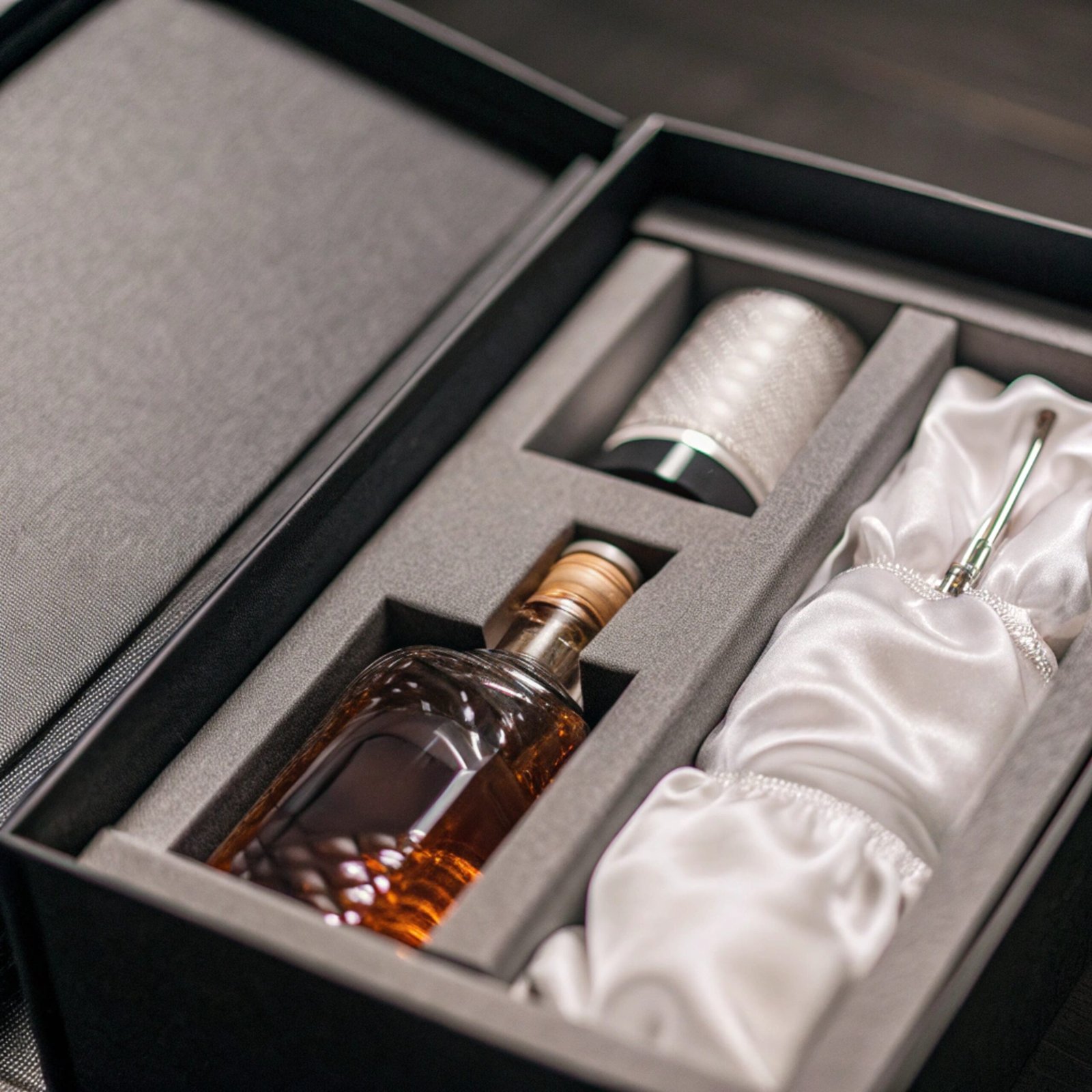
When a major electronics exporter came to me, they were struggling. Their product damage rate during shipping was almost 15%. Their existing packaging just wasn’t strong enough. We developed a rigid box solution with custom-engineered foam inserts. It wasn’t just about making a stronger box; it was about creating a system where the product could "breathe" and absorb shock. The result? Their damage rate fell to less than 1%. This is the essence of a rigid box’s job: it’s not just a container, but a protector. It’s an investment that pays for itself by preventing loss and enhancing brand reputation. When a customer receives a product in a box that feels substantial and protective, they trust the brand more.
Industries That Rely on Rigid Boxes
Different industries use rigid boxes for different reasons, but the common thread is always value—either protecting monetary value or creating perceived value.
- Electronics: Brands like Apple use rigid boxes to protect delicate components and create a premium unboxing experience that feels clean, organized, and exciting.
- Cosmetics & Beauty: High-end brands use them to make their products feel like a luxurious indulgence. The weight and finish of the box contribute to the overall brand story.
- Jewelry & Watches: For these high-value items, the box is part of the product. It serves as a permanent storage case and must reflect the quality of the item inside.
- Wine & Spirits: A rigid box can turn a single bottle into a distinguished gift. It provides excellent protection for a fragile glass bottle while adding a layer of sophistication.
- Gourmet Foods: For items like artisanal chocolates or specialty teas, the packaging needs to communicate freshness, quality, and the craft behind the product.
In every case, the rigid box is not a cost—it’s an amplifier of value.
Conclusion
A rigid box is more than protection; it’s a statement. It transforms a product into an experience, protects value, and becomes a lasting part of your brand’s story.