Your product’s packaging feels like a missed opportunity. It’s just a container, failing to engage customers or reflect your brand’s innovation. This can hurt sales and brand perception.
The most inspiring folding packaging ideas transform a simple box into a strategic tool. Clever structural designs create unique unboxing experiences, add security features, and even become in-store displays. These designs blend cost-effectiveness with creativity, turning your packaging into a powerful brand asset.
I’ll never forget a moment in 2015 when I visited a century-old confectionery shop in Tokyo. I was mesmerized watching the master package sweets. With a few precise folds, a simple sheet of paper became a beautiful vessel of culture. He told me, "The highest level of folding is to make the packaging part of the product." That one sentence completely changed my understanding of folding packaging. It’s not just about creating a box; it’s about folding intelligence into every crease. Let’s explore how this philosophy can revolutionize your packaging.
What is the difference between a folding carton and a rigid box?
Choosing between box types is confusing. Making the wrong choice can waste money, compromise your product’s safety, and send the wrong message to your customers.
A folding carton1 is made from a single piece of paperboard, shipped flat, and assembled by you or your co-packer. A rigid box is a thicker, pre-assembled box that doesn’t collapse. Folding cartons are versatile and cost-effective, while rigid boxes offer a premium feel.
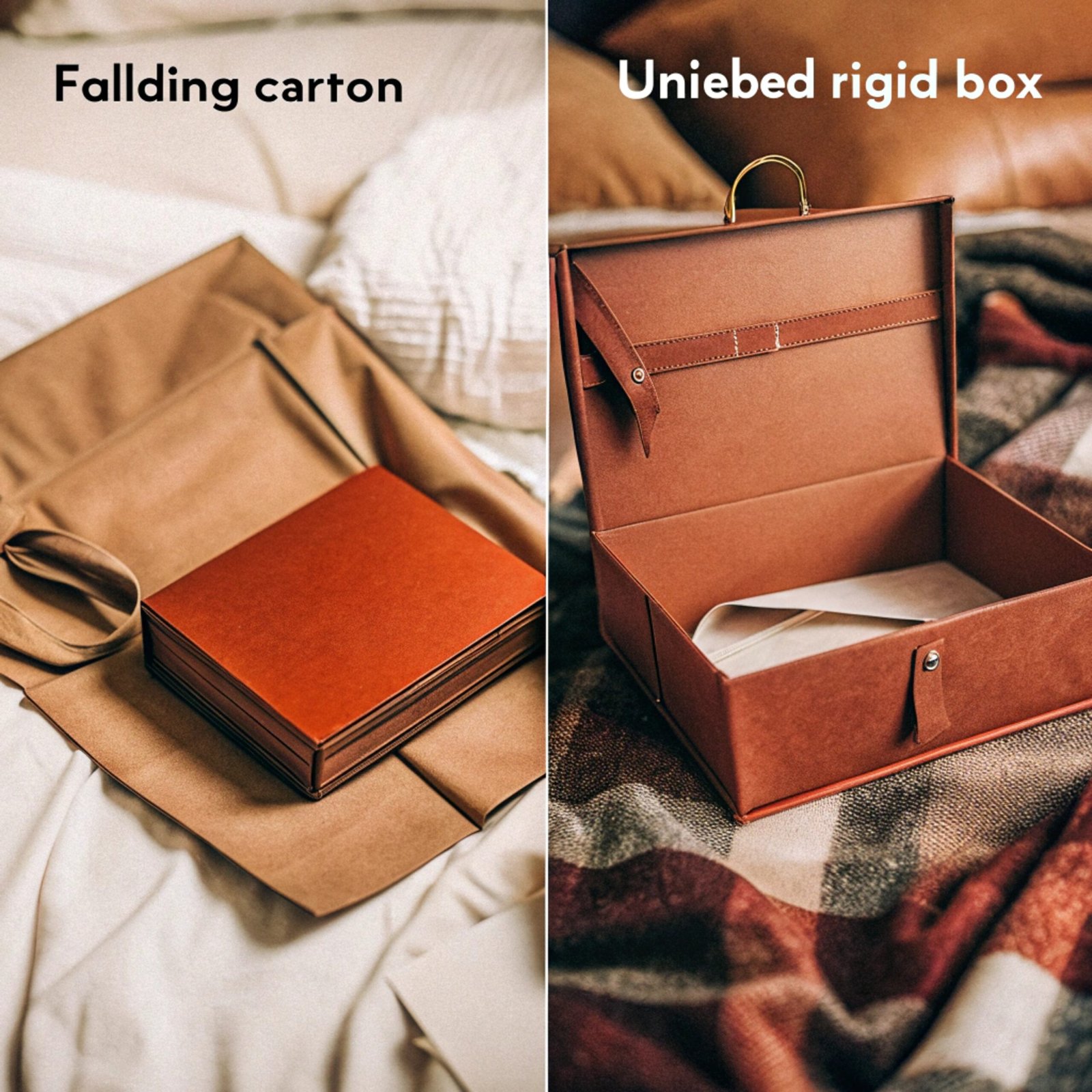
I often use an analogy to explain the difference to my clients. A rigid box is like a grand cathedral—majestic, built to last, and crafted with great care. A folding carton is like a masterfully designed garden—it creates endless possibilities in a limited space, full of life and cleverness. This "philosophical difference" impacts everything from design to cost.
Design Philosophy
A rigid box is built with an "architectural mindset." You build the strong frame first, then you decorate it. It’s about creating a solid, imposing structure. A folding carton uses an "origami mindset." All the structure, folds, and functions are pre-planned on a flat surface before being brought to life. It’s about efficiency and transformation.
User Experience
The experience each box provides is different. A rigid box is perfect for a "slow opening ceremony," like unboxing a luxury watch or a high-end smartphone. It creates a sense of anticipation and value. A folding carton excels in "fast-paced scenarios." Think about e-commerce shipping or retail shelves, where efficiency, stackability, and quick access are key.
Cost Structure
The cost breakdown reveals a key secret. For one of my tea clients, we analyzed their costs and found a pattern.
| Box Type | Material Cost | Processing Cost | Best For |
|---|---|---|---|
| Rigid Box | ~52% | ~48% | Premium, low-volume |
| Folding Carton | ~32% | ~68% | Mass production, automation |
This data clearly shows why folding cartons are the champion for large-scale, standardized production. The main cost is in the high-speed processing, not the raw material itself.
How big is the folding carton packaging market?
You might think folding cartons are just a basic, low-end option. But this view can make you miss out on a massive and innovative market. This is a huge industry.
The global folding carton market is a powerhouse, valued at around $140 billion and growing steadily at 4.2% annually. Key growth sectors include pharmaceuticals and e-commerce, which saw over 12% growth last year. It is a market defined by scale and continuous innovation.

Folding cartons are the "invisible champions" of the packaging world. Their market size and potential are enormous, and they are powered by strong, reliable trends. The scale of this market is impressive and continues to expand faster than the general economy.
A Stable Foundation
The global market was approximately $140 billion in 2023. Its stable annual growth rate of 4.2% is higher than the GDP growth of many developed countries. This shows a consistent, reliable demand for folding cartons across many industries, including food, cosmetics, and consumer goods. This isn’t a fad; it’s a foundational part of global commerce.
New Growth Engines
Certain sectors are pushing growth even faster.
- Pharmaceutical Packaging: Growing at 7.8% annually, driven by an aging global population and the need for secure, informative packaging.
- E-commerce Packaging: Exploding with 12.3% annual growth. The rise of social commerce and livestream selling has created huge demand for shippable, brandable, and efficient boxes.
The China Manufacturing Advantage
I personally managed a project where a European luxury brand moved their folding carton orders to us in China. The results went far beyond just cost savings. They not only reduced their packaging costs by 35%, but they also achieved:
- A 7-day sampling and prototyping cycle, compared to 21 days in Europe.
- PANTONE color consistency with a Delta E value under 1.5, which is far stricter than the international standard of Delta E < 3. This proves that high efficiency and superior quality can go hand-in-hand.
What is the process of making folding cartons?
A simple box seems easy to make. But underestimating the complexity of the manufacturing process can lead to poor quality, delays, and unexpected costs that disrupt your launch schedule.
Making a folding carton is a high-tech process. It begins with a structural engineer creating a blueprint in CAD software. This file guides automated prepress, printing, and finishing machines that print, cut, fold, and glue the box into its final shape at high speed.
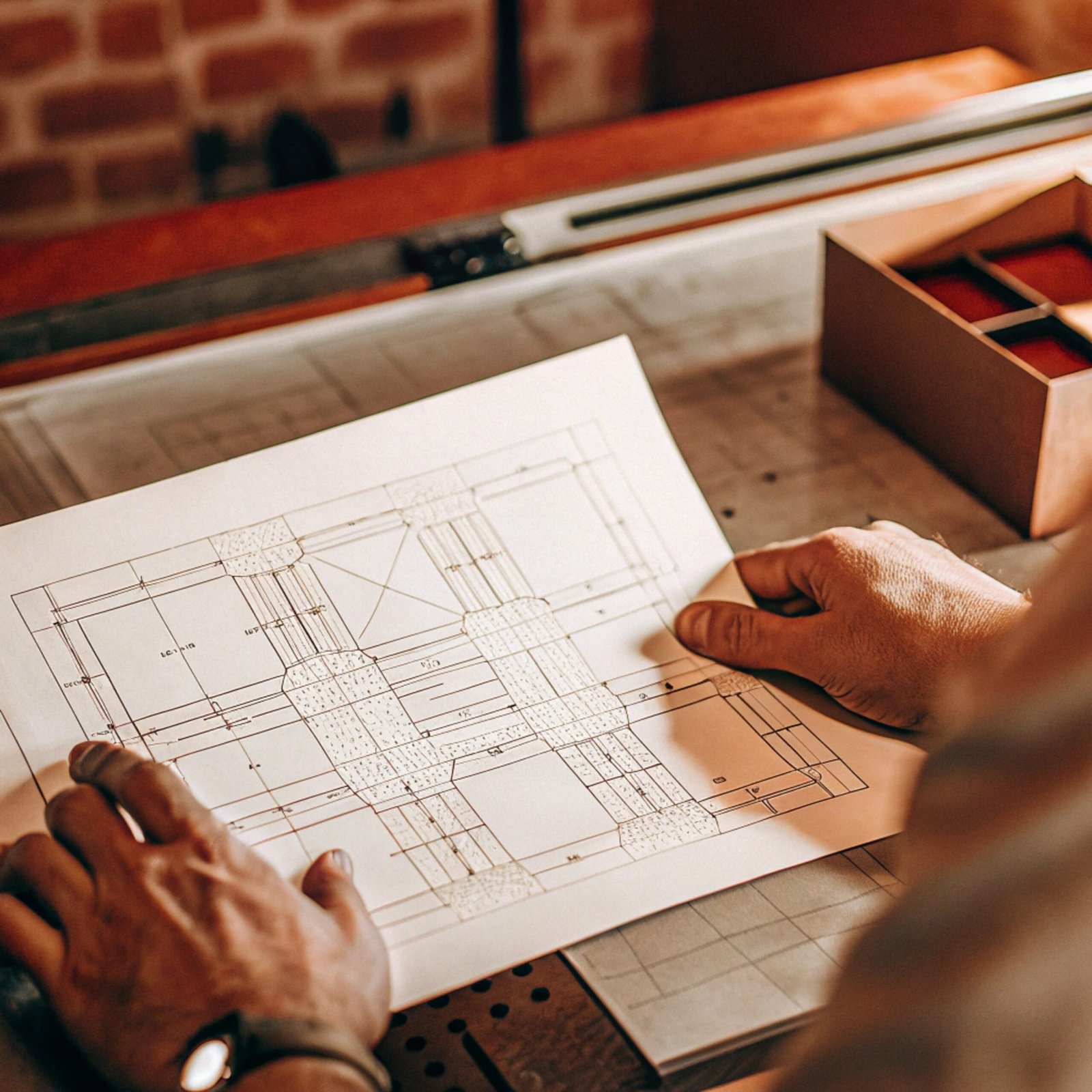
Our production line works like a precision orchestra, where every section must perform perfectly for the final product to succeed. I am most proud of a project where we designed a micro-folding structure for a vaccine insert. We managed to compress a full A4-sized page of information into a box the size of a postcard, and it was still perfectly readable. This is the magic that happens when engineering and design work together.
1. Design & Pre-press (The Composition)
This is where the music is written. Our structural engineers use CAD software to design the box, focusing on details as small as 0.1mm. We run simulations to test stacking strength; for one client, our honeycomb-inspired internal structure increased load-bearing capacity by 40%. The design then goes to CTP (Computer-to-Plate) production, creating printing plates with dot precision from 1% to 99%. Our ink lab mixes custom inks to achieve a 98% match for special brand colors.
2. Printing & Finishing (The Performance)
This is the live show. The paperboard runs through our 6-color UV printing presses, which increase color saturation by 30% compared to conventional presses. Special finishes like hot stamping or embossing are then applied inline. Our machines can apply foil with an accuracy of ±0.15mm, ensuring a perfect look on every single box.
3. Die-cutting & Gluing (The Finale)
After printing, the sheets go to the automatic die-cutting machines. The die, a sharp "cookie cutter" for paper, is so durable it can make up to 1 million cuts before needing replacement. Finally, robotic arms fold and glue the boxes at incredible speeds. A single machine in our facility can finish over 50,000 boxes per day. This is how we ensure consistency and meet tight deadlines for our clients.
What are some innovative structures for folding cartons?
Your box just holds the product. But this is a wasted opportunity. A standard box does nothing to enhance security, improve the customer experience, or make your brand stand out.
Innovative structures2 transform a simple carton into a multi-functional tool. Examples include anti-theft designs3 with integrated tear strips, cartons that unfold into retail displays, and clever easy-carry solutions for food service. These smart designs solve real-world problems for your business.

I keep a collection of clever box designs in my office. They remind me that with a little "space magic," a small change in structure can make a huge difference. These innovations helped one of our clients reduce customer complaints related to packaging by 62%. True innovation in packaging is about solving problems and creating value.
Anti-Theft and Security Structures
For a high-end electronics client, we designed a "single-form anti-theft box." It included a special tear-strip that provided visual evidence of tampering if opened. It also had hidden locking tabs that made it nearly impossible for someone to swap out the product inside the box without completely destroying the packaging. This gave our client peace of mind and protected their revenue.
In-Store Display Structures
A cosmetics brand wanted packaging that would stand out on a crowded shelf. We developed a "self-erecting display box." When the lid is opened, an internal platform automatically lifts and presents the product at a perfect angle. This created a mini-theater on the shelf, grabbing customer attention and saving precious counter space for retailers.
Sustainable and Smart Structures
The future of folding cartons is green and intelligent. We are increasingly using water-based coatings that allow the box to biodegrade in 6 months instead of 200 years. We also design glueless structures that assemble with clever locking tabs, eliminating adhesives entirely. For an auto parts client, we even designed a box that could be refolded into a reusable toolbox, with the internal cushioning becoming workshop padding. This innovative structural designs4 helped them achieve a 91% packaging recycling/reuse rate.
Conclusion
Folding cartons are more than just containers. They are a strategic tool for branding, efficiency, and customer delight, blending the art of design with the precision of engineering.
-
Get insights into the production and benefits of using folding cartons for packaging. ↩
-
Explore innovative packaging structures that enhance functionality and appeal. ↩
-
Learn how anti-theft designs can protect products and enhance customer trust. ↩
-
Learn how innovative structural designs can transform packaging into a powerful marketing tool. ↩