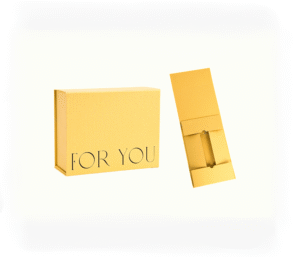
Your premium product is let down by flimsy packaging. This damages your brand’s reputation before the customer even sees the product. Rigid boxes offer a solution that protects and impresses.
The main benefits of rigid boxes are superior product protection, an enhanced luxury unboxing experience that increases perceived value, and a high rate of reusability, which extends brand exposure long after the initial sale.
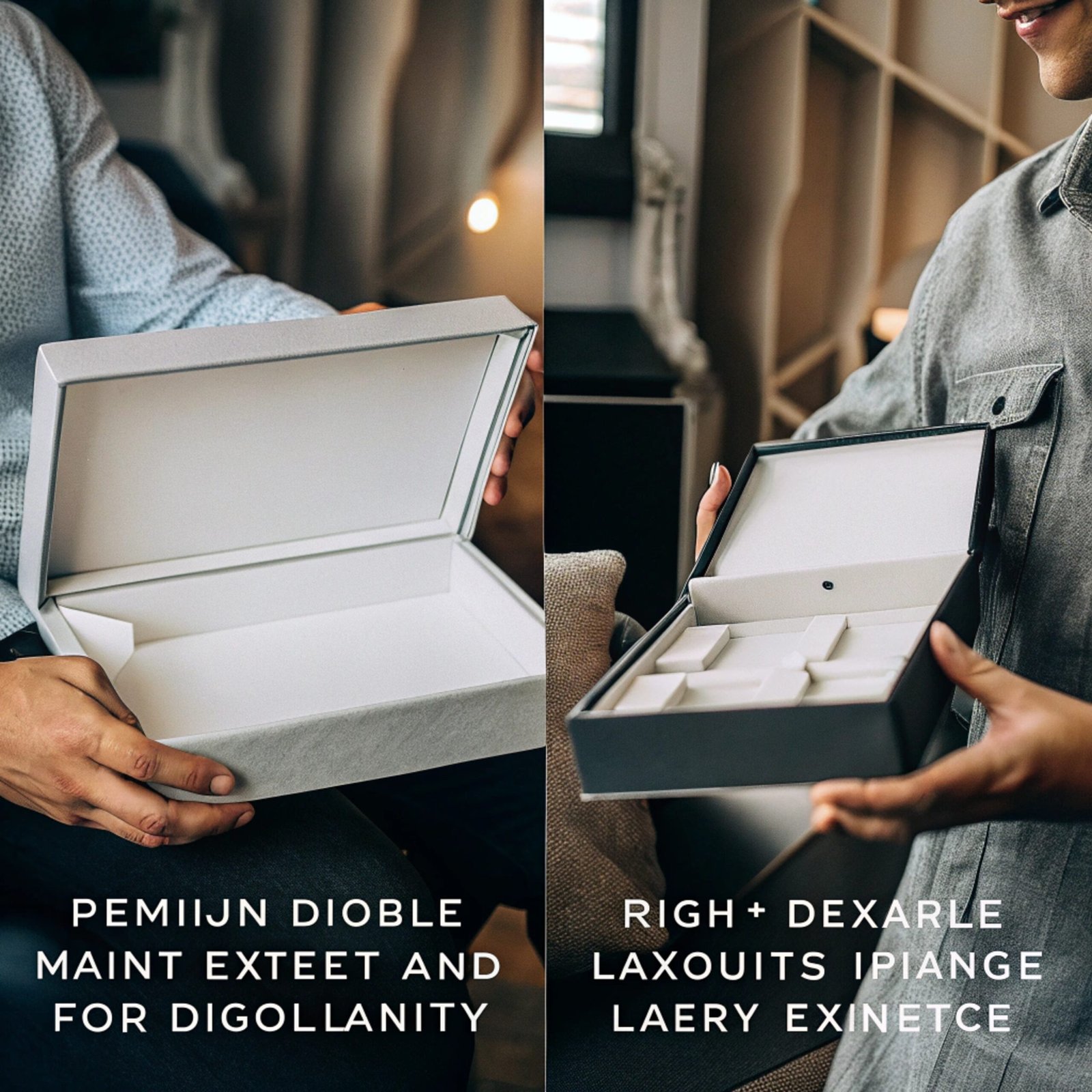
Whenever I see a child using one of our boxes as a pencil case, or when I notice a five-year-old sample still displayed proudly in a client’s showroom, I know we’ve succeeded. It confirms my belief that the true value of packaging isn’t just in the moment it’s opened, but in its ability to become something cherished, something people don’t want to throw away. If you’re looking for packaging that becomes a keeper, let’s explore why rigid boxes are the answer.
How do rigid boxes enhance product value and protection?
Standard boxes can get crushed or look generic. This can lead to product damage and a disappointing unboxing experience for your customers. Rigid boxes provide a powerful alternative that solves both problems.
Rigid boxes offer unmatched structural strength to protect items during shipping. Their high-quality finish and substantial feel immediately signal a premium product, justifying a higher price point and elevating the overall brand experience.
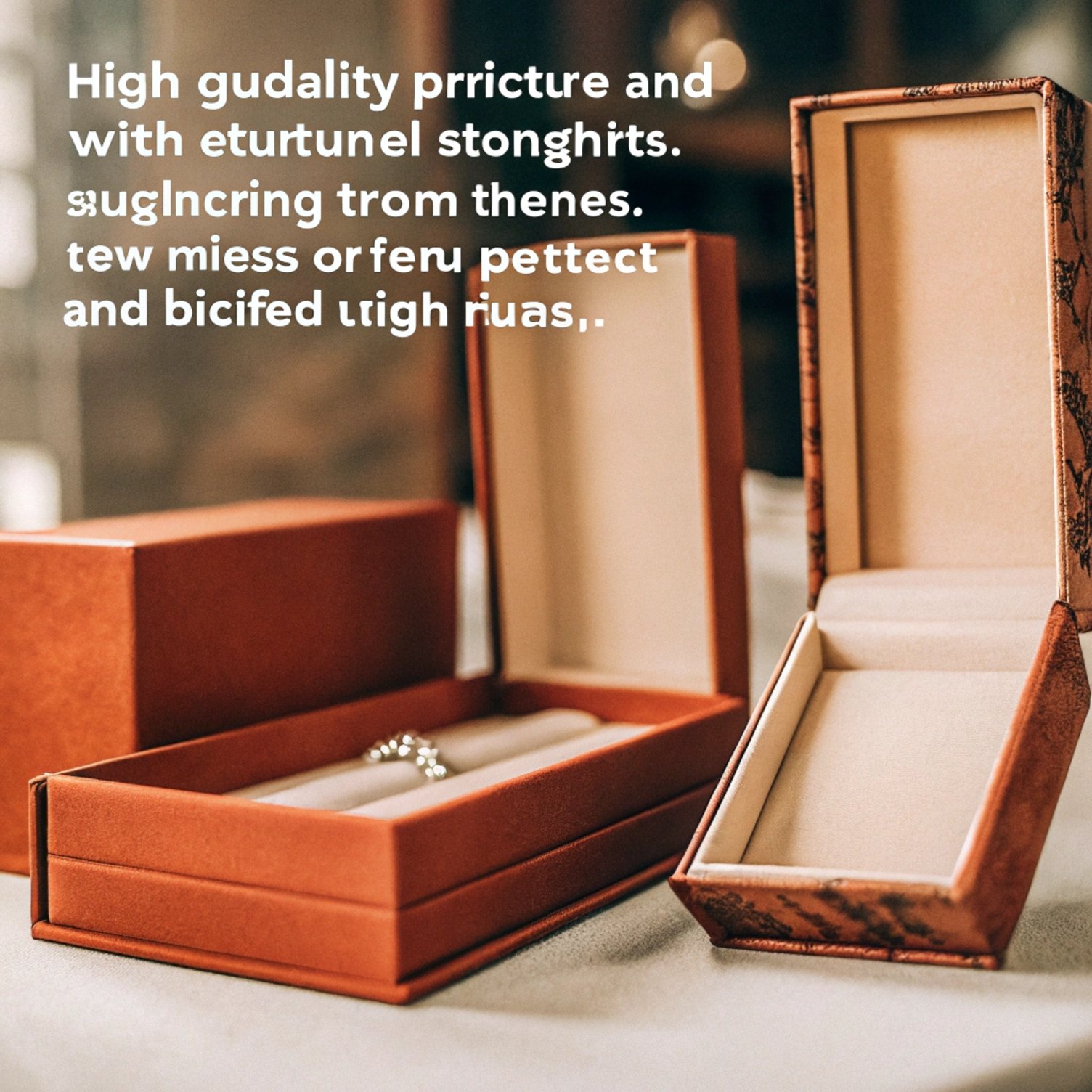
For a purchasing manager like Anne, the packaging must perform two jobs: protect the asset and build the brand. Rigid boxes excel at both. I think of them like excellent architecture—they need a solid foundation for strength and a beautiful skyline for appeal. This dual function is what creates real, measurable value. It reduces the costs associated with damaged goods while simultaneously increasing customer loyalty and perceived brand worth.
Let’s break down these key advantages:
- Structural Integrity: Made from thick, non-bending greyboard, rigid boxes are incredibly strong. They resist crushing and impact far better than folding cartons. This was critical for an electronics client of mine, where we slashed their product damage rate from 15% to less than 1% simply by switching to a well-designed rigid box.
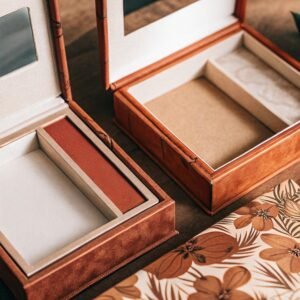
- Perceived Value: A rigid box feels substantial. Its weight, smooth wrapped edges, and satisfying fit between lid and base create a tactile experience that screams "luxury." This premium feel allows brands to command higher prices and reinforces the quality of the product inside.
- Unboxing Experience: The reveal is part of the product. Two-piece rigid boxes, often called "lift-off lid" boxes, create a moment of anticipation and ceremony. This slow, deliberate unboxing process makes the product feel more special and creates a memorable, shareable experience for the customer.
Are rigid boxes an eco-friendly packaging1 choice?
Your brand is committed to sustainability, but you need a premium solution. It feels like you have to choose between luxury and being eco-friendly. Can a high-end box also be good for the planet?
Yes, rigid boxes can be a very eco-friendly option. They are primarily made from greyboard, which is often 100% recycled paper. They are also highly reusable and durable, which extends their life and reduces waste.
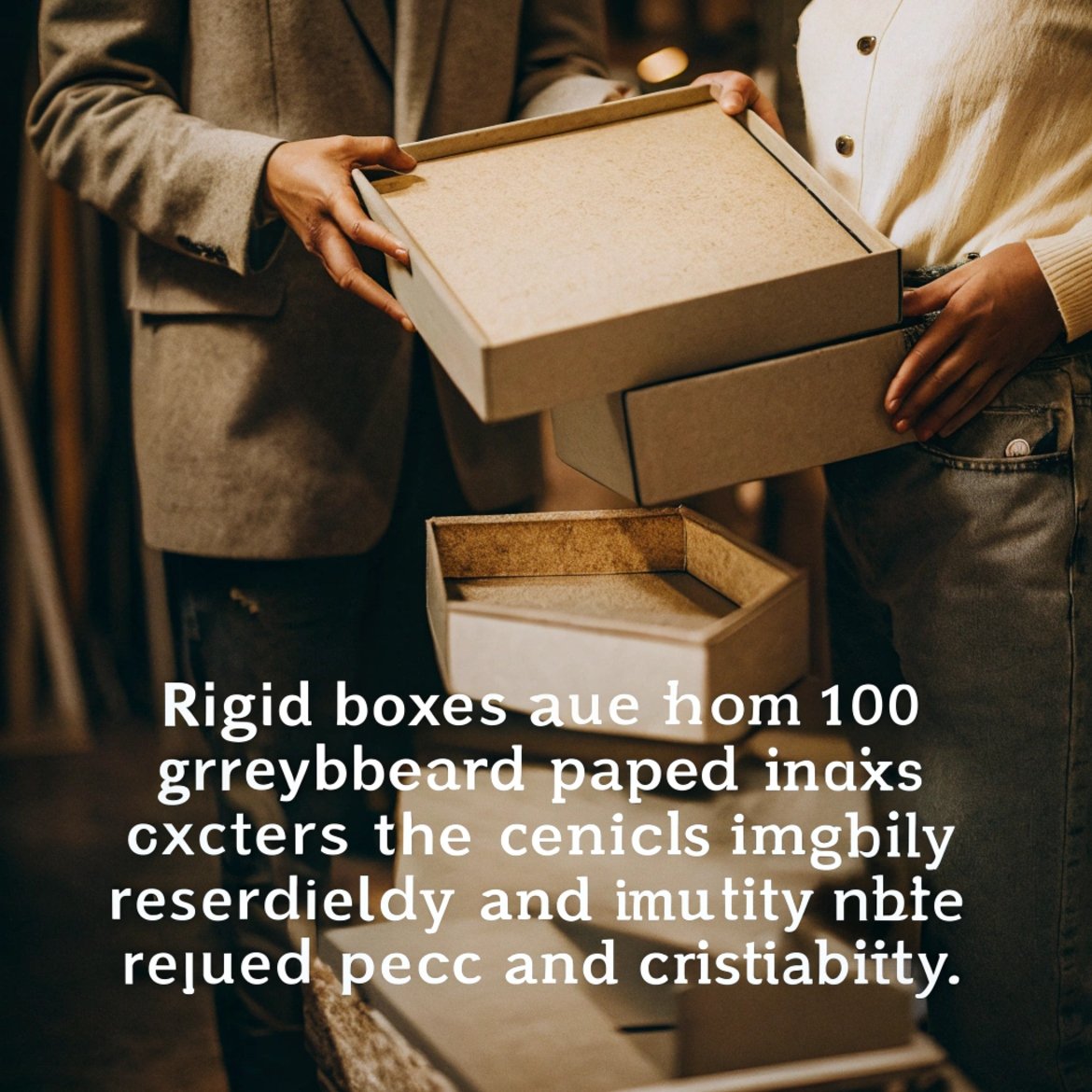
This is a frequent and important conversation I have with clients like Anne, who is responsible for meeting US and EU market standards for sustainability. The key is to understand the full lifecycle of the packaging. While the initial production is more resource-intensive than a simple mailer, the long-term benefits often create a better environmental story. My core belief is that the most eco-friendly product is one that doesn’t get thrown away.
Here’s how rigid boxes contribute to sustainability:
- Recycled Core: The structural greyboard2 inside the box is almost always made from post-consumer recycled paper pulp. This gives a second life to wastepaper and reduces the need for virgin materials.
- Reusability: This is the biggest advantage. Rigid boxes are not disposable. Customers keep them for storage, organization, or as decorative pieces. One of my artisanal food clients found that customers were reusing their beautiful boxes as kitchen organizers, keeping the brand’s logo visible in their home for months.
- Recyclability: While the base materials are recyclable, the final product’s recyclability depends on the finishes. For a box to be easily recycled, it’s best to avoid non-paper additions.
| Feature | Eco-Friendly Consideration | Best Practice for Recyclability |
|---|---|---|
| Core Board | Almost always made from 100% recycled paper. | Fully recyclable. |
| Wrap Paper | Can be FSC-certified or contain recycled content. | Choose uncoated or clay-coated papers. |
| Lamination | Plastic-based (matte/gloss) laminates make recycling difficult. | Opt for a biodegradable laminate or an aqueous varnish. |
| Magnets/Ribbons | These are contaminants in the paper recycling stream. | Design the box to be closure-free or use recyclable paper ribbons. |
By making conscious choices about materials and finishes, we can design a rigid box that is both luxurious and responsible.
Conclusion
Rigid boxes are a valuable investment. They protect your product, elevate your brand’s image, and offer a sustainable packaging solution through their high potential for reuse and recycled content.