Custom collapsible rigid box with magnetic closure for cosmetics
If you’re sourcing premium cosmetics packaging, a collapsible rigid box with a magnetic closure tends to show up at the exact moment your team is juggling three competing goals: a luxury unboxing, fewer damaged units, and logistics that don’t punish you for shipping air.
This guide is written for packaging procurement, ops, and brand teams. It’s not a design mood board. It’s a practical way to spec the box, compare suppliers, and avoid the common surprises that happen between the “beautiful sample” and the first production run.
Custom collapsible rigid box with magnetic closure for cosmetics: what it is (and when it’s the right choice)
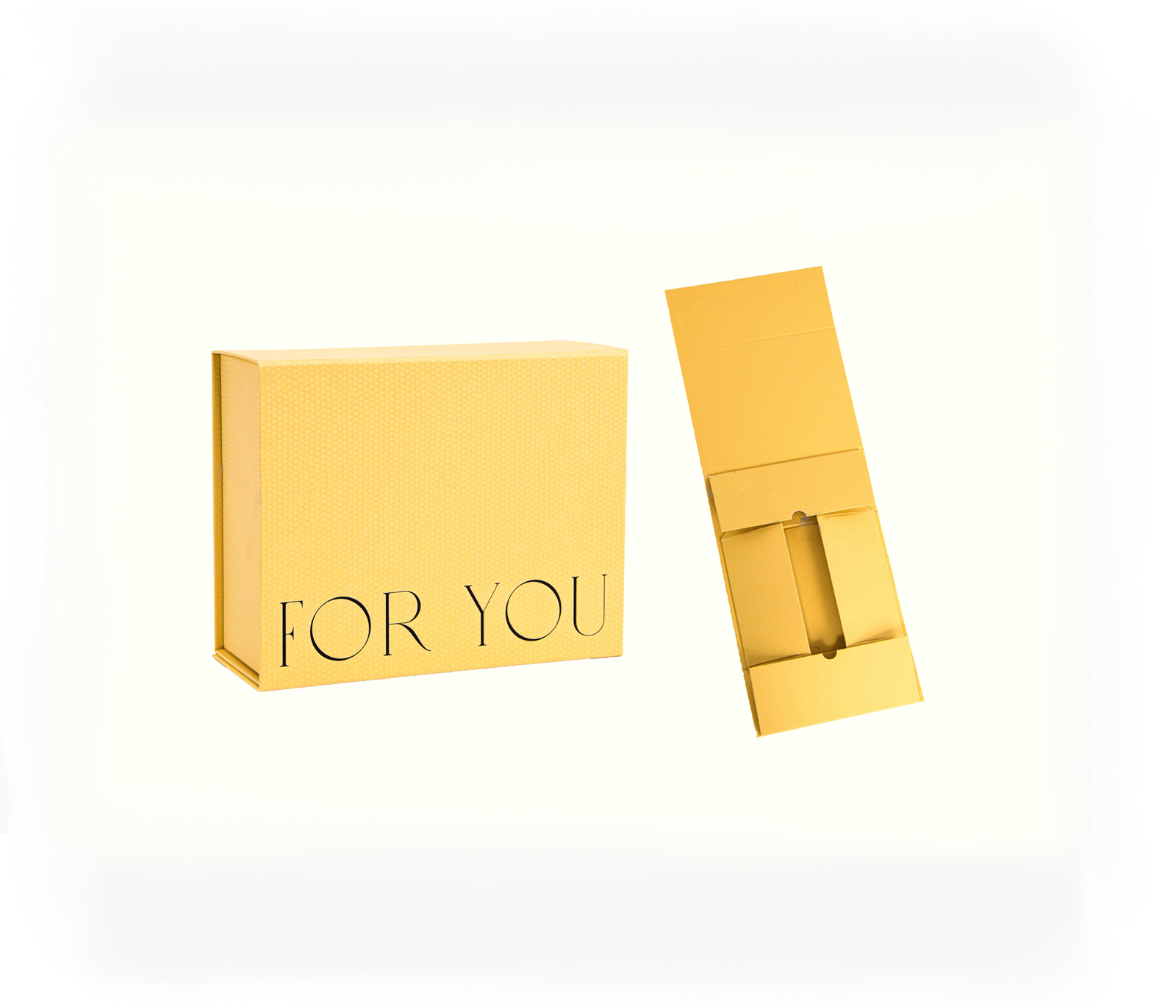
A standard rigid setup box ships and stores as a fully formed box. A collapsible rigid box (often called a foldable or folding rigid box) is built to ship flat and assemble into a rigid-box shape when needed. It’s still a rigid-style presentation, but it’s designed for better storage and freight efficiency. In other words, it’s a foldable rigid box for cosmetics that behaves like a premium rigid box once assembled.
Use this structure when:
- You need a premium, rigid feel for retail or gifting.
- You’re shipping DTC or bundles and want better protection than a folding carton.
- You care about warehouse space or inbound freight volume.
It’s usually not the best choice when:
- Your packing line can’t tolerate an extra assembly step.
- Your order volume is very low and the per-unit build complexity can’t be justified.
The 6 specs that drive performance (and cost)
For premium cosmetics, most quality issues come from a small number of controllable specs. The goal is to lock these down early so your quotes are comparable.
1) Box size: always spec the internal dimensions
Send suppliers internal dimensions (ID) in L × W × H, plus what’s going inside (product size, weight, and whether it’s glass). Then ask them to return:
- internal dimensions (ID)
- outer dimensions (OD)
- tolerance assumptions (what they can hold consistently in production)
This prevents the quiet changes that happen when one supplier optimizes for fit and another optimizes for cost.
2) Rigid board thickness and density
Rigid boxes are typically built with chipboard/greyboard. What matters is not just thickness, but how well the board holds shape and corners through wrapping and handling.
For magnetic styles, many suppliers commonly use ~2–2.5 mm board for the shell, then tune the structure and wrapping to hit the feel you want (stiffness, weight, lid fit).
3) Wrap paper and scuff resistance
Your wrap is what customers see and touch. It’s also where many “looks cheap” failures happen:
- scuffing on matte laminations
- edge whitening at folds
- bubbles or lifting at corners
If the box will see e-commerce shipping, ask for a finish stack that’s built for abrasion, not just for studio photos.
4) Magnetic closure design: magnet type, placement, and closure feel
Magnetic closure boxes most commonly use neodymium or ferrite magnets in the flap edge.
Magnetic closure rigid box packaging: what to specify
What buyers should specify:
- magnet type (neodymium vs ferrite)
- magnet size/grade (or at least a performance target)
- placement (front edge; side magnets for larger formats)
- closure feel (light / medium / strong snap)
- acceptance criteria (alignment, lid flushness, open/close durability)
A lot of issues are not “magnet problems,” but alignment problems: a millimeter off can create twisting, uneven closure, or a lid that looks misbuilt. Packaging guides regularly note that small misalignments can affect closure performance and perceived quality (see Gentlever’s note on how even small dieline/closure misalignments can create functional issues in “Complete Guide to Dielines in Custom Packaging and Printing” (Gentlever, 2025)).
For a general overview of magnetic closure construction and options, see “An Ultimate Guide to Magnetic Closure Boxes” (Gentlever, 2026).
Pro Tip: Don’t approve magnets based on photos. Approve them based on a short test: open/close cycles, lid flushness checks, and a “one-hand open” feel test with the actual wrap and board thickness.
5) Insert strategy: protection, presentation, and pack-out speed
If you’re quoting custom cosmetic rigid boxes with inserts, be explicit about pack-out speed and drop-test expectations—those two details change both cost and defect risk.
Cosmetics packaging often needs inserts for three reasons:
- protect fragile components (glass bottles, droppers, compacts)
- keep a set visually organized
- control movement in transit
If you want a premium feel without adding too much complexity, ask suppliers for insert options across a range:
- molded pulp (strong sustainability story, good fit for certain shapes)
- paperboard partitions (fast, lower cost)
- EVA/foam (tight fit, premium presentation)
Your insert should be designed around how the product is packed. If your team is packing 5,000 units in a short window, a “beautiful but slow” insert can become your real cost driver.
6) Flat-pack logistics: quantify the savings
The collapsible structure exists to reduce storage and freight volume. Ask each supplier to quote:
- units per export carton (flat-packed)
- export carton size and weight
- palletization assumptions
Then you can compare landed cost with a straight face.
Finishes that work for cosmetics (without creating QC headaches)
Finishes should support two realities:
- Cosmetics buyers handle boxes under harsh lighting in retail.
- DTC boxes rub against corrugate, tape, and each other.
A practical approach:
- Use foil stamping, emboss/deboss, or spot UV as controlled accents.
- Choose lamination/coating with a known track record for scuff resistance.
- Ask for rub tests and photo documentation from the sample.
If you’re trying to keep sustainability strong, you can also limit high-impact embellishments and use them only where they earn their keep.
Sustainability and certifications: what to ask for
If your brand has sustainability targets, translate them into supplier requirements.
Common buyer asks include:
- FSC-certified paper/board (if required by your policy)
- recycled content targets
- low-VOC or soy/vegetable ink options
EcoEnclose provides a plain-English overview of what different packaging certifications do (and don’t) in its “Guide to Sustainable Certifications” (EcoEnclose, updated 2026).
⚠️ Warning: If you’re adding magnets, ask how they affect recyclability for your end market. In many cases the paper components are recyclable, but the magnet component can require separation.
Sampling, QC, and acceptance criteria (this is where buyers win or lose)
A luxury rigid box is judged on small things: corner sharpness, wrap alignment, lid flushness, and print consistency.
Here’s a simple, buyer-friendly QC plan you can require.
Step 1: Approve a prototype with measurable checkpoints
Your prototype approval should include:
- dimensional checks (ID/OD)
- corner crispness (no dents, no soft corners)
- wrap alignment (no bubbles, no lifting)
- closure test (lid sits flush; magnets align)
- insert fit (product seats without stress)
Step 2: Require a pre-production sample that matches production methods
Many “sample wins” turn into “production problems” because the sample was made differently. Your pre-production sample should be made with production-intent tooling and processes.
Step 3: Add a small functional test set
Ask the supplier to run, document, and share results for:
- open/close cycle test for magnetic closures
- rub/scuff test for the wrap and finish
- basic drop/squeeze checks appropriate to your product weight
For a practical packaging QC checklist framing, see “Custom Packaging Quality Control Checklist” (Paking Duck, updated 2026).
Copy/paste RFQ checklist for collapsible magnetic rigid boxes
Below is a template you can send to suppliers so you get comparable pricing and realistic lead times. It also helps you spot when a collapsible rigid box manufacturer is quoting a different structure than you intended.
Product and use case
- Product type (e.g., serum bottle + carton, palette set)
- Product dimensions and weight
- Fragility notes (glass? pumps? droppers?)
- Use case: retail / e-commerce / gifting / subscription
Box structure
- Collapsible rigid box (flat-pack) with magnetic flap closure
- Lid style (front flap / book-style / two-piece)
- Assembly method (confirm if glue required)
Dimensions
- Internal dimensions (L × W × H):
- Target tolerance (if you have one):
Materials
- Rigid board thickness (target range) and board type
- Wrap paper type and GSM
Magnets
- Magnet type preference (neodymium / ferrite) or closure feel target
- Placement preference (front edge; side magnets if needed)
- Acceptance criteria (lid flushness; no twisting; alignment tolerance)
Inserts
- Insert type preference (molded pulp / paperboard / EVA)
- Product cavities needed:
Print and finishes
- Print: CMYK + spots (if any)
- Finish stack: lamination/coating + accents (foil/emboss/spot UV)
- Scuff resistance requirement (describe shipping/handling conditions)
Sustainability / compliance
- Certification requirements (e.g., FSC)
- Recycled content requirements
- Any market-specific labeling requirements
Sampling and QC
- Prototype required (yes/no)
- Pre-production sample required (yes/no)
- AQL expectation (if you use one)
- Photo/video QC report required (yes/no)
Quantity and timeline
- Order quantity (and annual forecast if available)
- Target in-warehouse date (US)
- Preferred Incoterms (FOB/CIF/DDP) and destination ZIP
Next steps: get a spec recommendation before you quote
If you share your product dimensions, target quantity, and how the box will ship (retail only vs DTC), a packaging engineer can usually recommend a spec range that avoids the two big traps: overbuilding (wasted cost) and underbuilding (returns and damage).
If you’re evaluating suppliers now, Wenzhou Winners Packing Co.,Ltd can help with a practical spec recommendation, sampling, and production planning. You can also browse their rigid-box content and examples on Winners Packing and related rigid box articles like “What are telescoping rigid boxes for packaging?” to see how different rigid structures behave.