www.winnerspacking.com

Tel:0086+18067791567

rachel@winnerspacking.com

Custom Collapsible Magnetic Rigid Boxes for Cosmetics

Custom collapsible rigid box with magnetic closure for cosmetics

If you’re sourcing premium cosmetics packaging, a collapsible rigid box with a magnetic closure tends to show up at the exact moment your team is juggling three competing goals: a luxury unboxing, fewer damaged units, and logistics that don’t punish you for shipping air.

This guide is written for packaging procurement, ops, and brand teams. It’s not a design mood board. It’s a practical way to spec the box, compare suppliers, and avoid the common surprises that happen between the “beautiful sample” and the first production run.

Custom collapsible rigid box with magnetic closure for cosmetics: what it is (and when it’s the right choice)

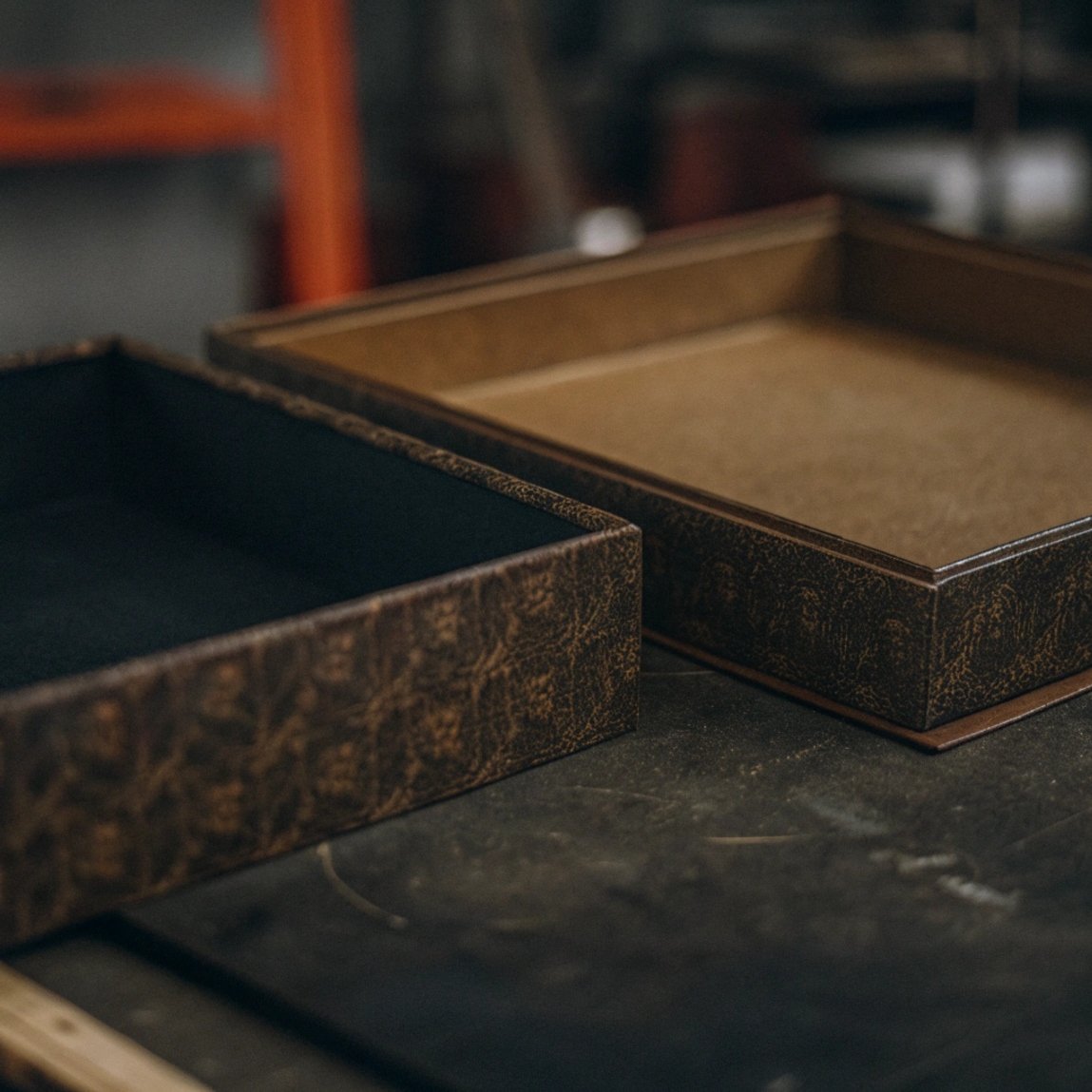
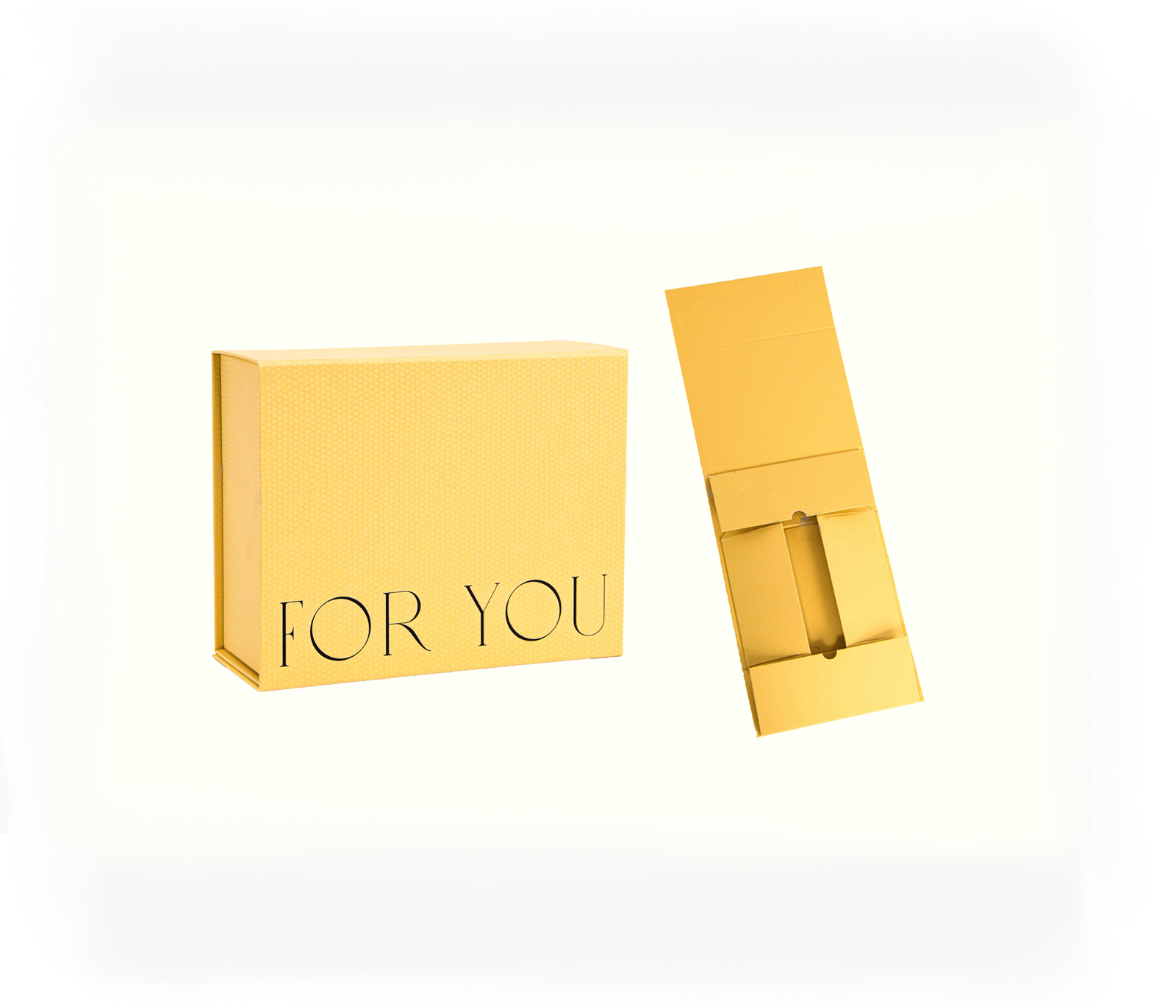
A standard rigid setup box ships and stores as a fully formed box. A collapsible rigid box (often called a foldable or folding rigid box) is built to ship flat and assemble into a rigid-box shape when needed. It’s still a rigid-style presentation, but it’s designed for better storage and freight efficiency. In other words, it’s a foldable rigid box for cosmetics that behaves like a premium rigid box once assembled.

Use this structure when:

  • You need a premium, rigid feel for retail or gifting.
  • You’re shipping DTC or bundles and want better protection than a folding carton.
  • You care about warehouse space or inbound freight volume.

It’s usually not the best choice when:

  • Your packing line can’t tolerate an extra assembly step.
  • Your order volume is very low and the per-unit build complexity can’t be justified.

The 6 specs that drive performance (and cost)

For premium cosmetics, most quality issues come from a small number of controllable specs. The goal is to lock these down early so your quotes are comparable.

1) Box size: always spec the internal dimensions

Send suppliers internal dimensions (ID) in L × W × H, plus what’s going inside (product size, weight, and whether it’s glass). Then ask them to return:

  • internal dimensions (ID)
  • outer dimensions (OD)
  • tolerance assumptions (what they can hold consistently in production)

This prevents the quiet changes that happen when one supplier optimizes for fit and another optimizes for cost.

2) Rigid board thickness and density

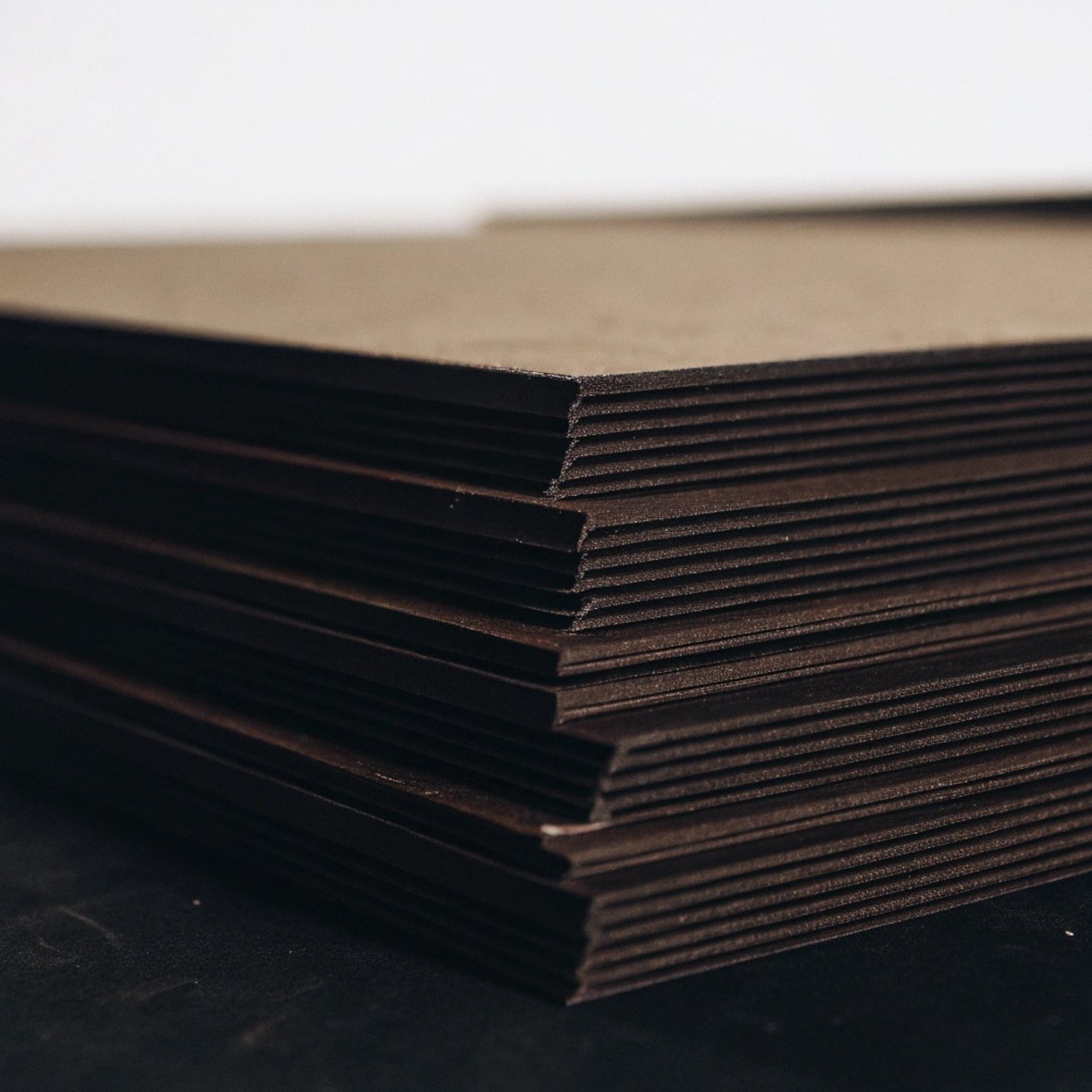
Rigid boxes are typically built with chipboard/greyboard. What matters is not just thickness, but how well the board holds shape and corners through wrapping and handling.

For magnetic styles, many suppliers commonly use ~2–2.5 mm board for the shell, then tune the structure and wrapping to hit the feel you want (stiffness, weight, lid fit).

3) Wrap paper and scuff resistance

Your wrap is what customers see and touch. It’s also where many “looks cheap” failures happen:

  • scuffing on matte laminations
  • edge whitening at folds
  • bubbles or lifting at corners

If the box will see e-commerce shipping, ask for a finish stack that’s built for abrasion, not just for studio photos.

4) Magnetic closure design: magnet type, placement, and closure feel

Magnetic closure boxes most commonly use neodymium or ferrite magnets in the flap edge.

Magnetic closure rigid box packaging: what to specify

What buyers should specify:

  • magnet type (neodymium vs ferrite)
  • magnet size/grade (or at least a performance target)
  • placement (front edge; side magnets for larger formats)
  • closure feel (light / medium / strong snap)
  • acceptance criteria (alignment, lid flushness, open/close durability)

A lot of issues are not “magnet problems,” but alignment problems: a millimeter off can create twisting, uneven closure, or a lid that looks misbuilt. Packaging guides regularly note that small misalignments can affect closure performance and perceived quality (see Gentlever’s note on how even small dieline/closure misalignments can create functional issues in “Complete Guide to Dielines in Custom Packaging and Printing” (Gentlever, 2025)).

For a general overview of magnetic closure construction and options, see “An Ultimate Guide to Magnetic Closure Boxes” (Gentlever, 2026).

Pro Tip: Don’t approve magnets based on photos. Approve them based on a short test: open/close cycles, lid flushness checks, and a “one-hand open” feel test with the actual wrap and board thickness.

5) Insert strategy: protection, presentation, and pack-out speed

If you’re quoting custom cosmetic rigid boxes with inserts, be explicit about pack-out speed and drop-test expectations—those two details change both cost and defect risk.

Cosmetics packaging often needs inserts for three reasons:

  • protect fragile components (glass bottles, droppers, compacts)
  • keep a set visually organized
  • control movement in transit

If you want a premium feel without adding too much complexity, ask suppliers for insert options across a range:

  • molded pulp (strong sustainability story, good fit for certain shapes)
  • paperboard partitions (fast, lower cost)
  • EVA/foam (tight fit, premium presentation)

Your insert should be designed around how the product is packed. If your team is packing 5,000 units in a short window, a “beautiful but slow” insert can become your real cost driver.

6) Flat-pack logistics: quantify the savings

The collapsible structure exists to reduce storage and freight volume. Ask each supplier to quote:

  • units per export carton (flat-packed)
  • export carton size and weight
  • palletization assumptions

Then you can compare landed cost with a straight face.

Finishes that work for cosmetics (without creating QC headaches)

Finishes should support two realities:

  1. Cosmetics buyers handle boxes under harsh lighting in retail.
  2. DTC boxes rub against corrugate, tape, and each other.

A practical approach:

  • Use foil stamping, emboss/deboss, or spot UV as controlled accents.
  • Choose lamination/coating with a known track record for scuff resistance.
  • Ask for rub tests and photo documentation from the sample.

If you’re trying to keep sustainability strong, you can also limit high-impact embellishments and use them only where they earn their keep.

Sustainability and certifications: what to ask for

If your brand has sustainability targets, translate them into supplier requirements.

Common buyer asks include:

  • FSC-certified paper/board (if required by your policy)
  • recycled content targets
  • low-VOC or soy/vegetable ink options

EcoEnclose provides a plain-English overview of what different packaging certifications do (and don’t) in its “Guide to Sustainable Certifications” (EcoEnclose, updated 2026).

⚠️ Warning: If you’re adding magnets, ask how they affect recyclability for your end market. In many cases the paper components are recyclable, but the magnet component can require separation.

Sampling, QC, and acceptance criteria (this is where buyers win or lose)

A luxury rigid box is judged on small things: corner sharpness, wrap alignment, lid flushness, and print consistency.

Here’s a simple, buyer-friendly QC plan you can require.

Step 1: Approve a prototype with measurable checkpoints

Your prototype approval should include:

  • dimensional checks (ID/OD)
  • corner crispness (no dents, no soft corners)
  • wrap alignment (no bubbles, no lifting)
  • closure test (lid sits flush; magnets align)
  • insert fit (product seats without stress)

Step 2: Require a pre-production sample that matches production methods

Many “sample wins” turn into “production problems” because the sample was made differently. Your pre-production sample should be made with production-intent tooling and processes.

Step 3: Add a small functional test set

Ask the supplier to run, document, and share results for:

  • open/close cycle test for magnetic closures
  • rub/scuff test for the wrap and finish
  • basic drop/squeeze checks appropriate to your product weight

For a practical packaging QC checklist framing, see “Custom Packaging Quality Control Checklist” (Paking Duck, updated 2026).

Copy/paste RFQ checklist for collapsible magnetic rigid boxes

Below is a template you can send to suppliers so you get comparable pricing and realistic lead times. It also helps you spot when a collapsible rigid box manufacturer is quoting a different structure than you intended.

Product and use case

  • Product type (e.g., serum bottle + carton, palette set)
  • Product dimensions and weight
  • Fragility notes (glass? pumps? droppers?)
  • Use case: retail / e-commerce / gifting / subscription

Box structure

  • Collapsible rigid box (flat-pack) with magnetic flap closure
  • Lid style (front flap / book-style / two-piece)
  • Assembly method (confirm if glue required)

Dimensions

  • Internal dimensions (L × W × H):
  • Target tolerance (if you have one):

Materials

  • Rigid board thickness (target range) and board type
  • Wrap paper type and GSM

Magnets

  • Magnet type preference (neodymium / ferrite) or closure feel target
  • Placement preference (front edge; side magnets if needed)
  • Acceptance criteria (lid flushness; no twisting; alignment tolerance)

Inserts

  • Insert type preference (molded pulp / paperboard / EVA)
  • Product cavities needed:

Print and finishes

  • Print: CMYK + spots (if any)
  • Finish stack: lamination/coating + accents (foil/emboss/spot UV)
  • Scuff resistance requirement (describe shipping/handling conditions)

Sustainability / compliance

  • Certification requirements (e.g., FSC)
  • Recycled content requirements
  • Any market-specific labeling requirements

Sampling and QC

  • Prototype required (yes/no)
  • Pre-production sample required (yes/no)
  • AQL expectation (if you use one)
  • Photo/video QC report required (yes/no)

Quantity and timeline

  • Order quantity (and annual forecast if available)
  • Target in-warehouse date (US)
  • Preferred Incoterms (FOB/CIF/DDP) and destination ZIP

Next steps: get a spec recommendation before you quote

If you share your product dimensions, target quantity, and how the box will ship (retail only vs DTC), a packaging engineer can usually recommend a spec range that avoids the two big traps: overbuilding (wasted cost) and underbuilding (returns and damage).

If you’re evaluating suppliers now, Wenzhou Winners Packing Co.,Ltd can help with a practical spec recommendation, sampling, and production planning. You can also browse their rigid-box content and examples on Winners Packing and related rigid box articles like “What are telescoping rigid boxes for packaging?” to see how different rigid structures behave.
Folding Carton Pricing: Cost Factors That Change Your Quote

Minimal folding carton dieline-to-carton illustration for folding carton pricing cost factors

Understanding Folding Carton Pricing: What Really Drives Your Quote

If you’ve ever compared two folding-carton quotes that look like they’re for the same box and wondered why the numbers don’t line up, you’re not alone. Folding carton pricing isn’t a simple “size × material” equation.

For most retail packaging programs, you’re paying for a combination of paperboard, printing, finishing, converting, and risk control—and the spec details determine how efficiently a factory can make your carton with consistent quality.

This guide breaks down the main folding carton cost factors (without publishing price ranges) and gives you a practical framework to compare quotes apples-to-apples.

A simple model for folding carton pricing

Most folding carton quotes can be understood as six buckets:

  1. Material: paperboard grade, thickness (caliper), and how efficiently the layout uses the sheet.
  2. Prepress & setup: artwork checks, proofing, and press make-ready.
  3. Printing: number of colors, ink coverage, and consistency requirements.
  4. Finishing: coatings, laminations, foil, embossing, spot UV, window patches.
  5. Converting: die cutting, stripping, gluing, and packing.
  6. Quality control & risk margin: inspection steps, tighter tolerances, and allowance for waste.

Pro Tip: When a quote feels “mysteriously high,” ask the supplier which bucket moved—and what spec detail triggered it. You’ll get a clearer answer than “materials went up.”

Material choices that move the quote

Paperboard is usually the largest cost driver, but buyers often underestimate how many different decisions hide inside “paperboard.” Grade, thickness, coating, and yield all change the result.

SBS vs FBB vs CCNB: what you’re trading

Three common grades used for folding cartons are SBS, FBB, and CCNB/CRB.

  • SBS (Solid Bleached Sulfate) is a virgin-fiber board known for a bright, white appearance and strong print performance. It’s often chosen for premium shelf presence and applications where clean aesthetics matter. Definitions vary by source, but the common thread is “bleached virgin fiber + strong visual performance,” as summarized in Paperbox.org’s overview of paperboard types (2019) and PakFactory’s paperboard grade overview (2023).
  • FBB (Folding Box Board / GC) is typically multi-ply and known for stiffness-to-weight efficiency. It’s often selected when you need a carton to feel rigid in-hand without overbuilding the thickness.
  • CCNB/CRB (recycled paperboard) is generally the most cost-driven option and can be a fit for certain products, but surface and strength characteristics may limit how far you can push premium graphics and finishing.

For quick definitions and a packaging-buyer-friendly overview of these grades, see Paperbox.org’s overview of paperboard types (2019) and PakFactory’s paperboard grade overview (2023).

What this means for quote comparison: if one supplier spec’d SBS and another spec’d a recycled grade, you’re not comparing the same product—even if the dieline is identical.

Caliper, stiffness, and “what’s actually required”

Thickness (caliper) affects more than “feel.” It can change:

  • crease quality (risk of cracking on folds)
  • carton rigidity (how it holds shape on shelf)
  • run speed and waste (some board/finish combinations are less forgiving)

If you’re trying to reduce cost, don’t start by saying “make it thinner.” Start by clarifying performance requirements:

  • Does the carton need to support stacking in transit?
  • Is it going through an automated packing line?
  • Does it need strong corner integrity or tear resistance?

Once performance is defined, you can right-size the caliper instead of guessing.

Artwork, proofs, and setup costs buyers forget to ask about

Two quotes can differ simply because one supplier included more front-end work.

Common prepress items that affect folding carton pricing:

  • file cleanup and preflight (fonts, bleeds, overprint settings)
  • color management expectations (brand color tolerance, reference standards)
  • proofing approach (digital proof vs press proof)
  • change control (how revisions are handled once production starts)

If you want predictable pricing, align on:

  • what counts as a “revision”
  • what proof is included
  • what triggers a re-make of plates/make-ready

This is one reason packaging buyers are advised to look beyond “paper + printing.” Meyers Printing’s broader view of the hidden work behind packaging quotes is useful context in their true cost of product packaging guide (2023).

Printing variables: colors, coverage, and consistency

Printing costs shift with complexity and control.

Key variables to watch:

  • Color count and spot colors: CMYK is one thing; adding spot colors can add steps and tighter control.
  • Ink coverage: heavy solids and rich blacks can increase ink usage and require more careful drying/curing.
  • Consistency requirements: the tighter your acceptable variation (especially for brand colors), the more time goes into setup and in-process checks.

If your brand team requires extremely tight color matching, that’s valid—but it should be an explicit line item in your quote assumptions.

Finishes: where cost jumps fast

Finishes often create the biggest quote swings because they add extra materials, extra passes, extra tooling, and slower throughput.

Common finishes that materially affect cost:

  • Coatings (aqueous, UV) for scuff resistance and appearance
  • Lamination (gloss/matte/soft-touch) for texture and durability
  • Foil stamping for premium highlights
  • Embossing/debossing for tactile branding
  • Spot UV to add contrast and depth
  • Window patch for product visibility (often adds materials + process steps)

How to reduce cost without losing shelf impact:

  • Use a premium finish selectively (e.g., one logo area) instead of across the entire carton.
  • Choose one “hero effect” (foil or emboss or spot UV) rather than stacking multiple effects.
  • Confirm whether your design truly needs lamination or if a coating achieves the durability target.

Structure and converting: dielines, gluing, and hidden complexity

Two cartons with the same footprint can have very different converting costs.

Converting is where structural choices become labor, tooling, and waste:

  • die cutting and stripping (complex shapes take longer)
  • gluing patterns (more glue points, special folds, or multi-point glue can slow runs)
  • special structures (locks, tear strips, display features)
  • packing requirements (bundling, counting, orientation)

If you’re exploring innovative structures, this internal example page can help you think through what you’re asking a supplier to produce: inspiring folding packaging and designing ideas. (It’s design-focused—use it for inspiration, then translate the ideas into manufacturable specs for quoting.)

Quality requirements and tolerances (and how they affect waste)

Quality isn’t free—because quality is controlled through time, checks, and sometimes rework.

The more tightly you define requirements, the more the supplier has to protect the run:

  • color variation tolerance (brand-critical colors)
  • registration tolerance (especially near folds and die cuts)
  • finish placement tolerance (foil alignment, spot UV alignment)
  • fold/crease performance (cracking, whitening)
  • scuff and rub resistance (retail handling)

None of these are “bad.” The risk happens when you assume them but don’t specify them. Then different suppliers fill in the blanks differently—so your quotes diverge.

Sustainability and certification claims that affect materials and documentation

Sustainability choices can shift both material selection and documentation expectations.

If you’re using FSC-certified materials, it helps to understand what that claim really means.

What this means for quotes: if your program requires certified content and correct labeling/claims, the supplier’s process discipline and documentation matter—not just the board price.

How to reduce folding carton cost without cheapening the brand

When buyers say “we need to lower packaging costs,” the fastest path is usually not “find cheaper board.” It’s reducing complexity, waste, and revision cycles.

Here are high-leverage levers that keep shelf impact intact:

  1. Standardize specs across SKUs

    • Fewer board grades, fewer finishes, fewer exception rules.
  2. Design for yield

    • Small dieline adjustments can improve layout efficiency on press sheets.
  3. Choose one hero finish

    • Pick the finish that best supports your brand signal and drop the rest.
  4. Reduce revision loops

    • Lock artwork earlier. Late changes are expensive because they trigger new setup and new risk.
  5. Align quality criteria to the product reality

    • Define what matters most (color, scuff resistance, crease cracking) and avoid over-specifying everything.
  6. Right-size packaging performance

    • Overbuilt cartons cost more and can create downstream issues (harder folding, slower lines).

If you want a broader overview of why there’s no single “average box price,” this internal reference is helpful: How much does a cardboard box cost?

Quote-comparison checklist: what to send every supplier

If you want quotes you can actually compare, send every supplier the same inputs:

  • Dieline (with version number) + 3D mockup if available
  • Board grade and caliper (or performance requirements if you’re open to recommendations)
  • Print specs (CMYK + spot colors, coverage notes)
  • Finish specs (coating/lamination type; foil/emboss/spot UV locations)
  • Color expectations (brand standards; acceptable variation)
  • Pack-out requirements (bundling, labeling, palletization)
  • Compliance requirements (FSC claims, food-contact needs if applicable)
  • Timeline expectations (proof approval date, production window, ship method)

⚠️ Warning: If your RFQ says “premium box, good quality,” you’ll get “premium” quotes that mean different things. Specific specs reduce surprises later.

FAQ

Are folding cartons always cheaper than rigid boxes?

Not always—but folding cartons are generally more material-efficient and are often faster to produce at scale. Rigid boxes can make sense when durability and premium unboxing experience are the product’s value signal. If you’re comparing formats, this internal explainer is a useful reference: benefits of custom magnetic closure boxes.

What’s the single biggest driver of folding carton pricing?

If you have to pick one, it’s usually the combination of material choice and complexity (printing + finishing + structure). In practice, finishes and tight tolerances can swing quotes more dramatically than buyers expect.

How do I lower cost without lowering perceived quality?

Reduce complexity, improve yield, and choose one premium cue (like a selective foil accent) rather than stacking multiple effects. Lock your artwork earlier and specify quality expectations clearly.

Why do quotes vary so much between suppliers?

Because suppliers make different assumptions when your RFQ leaves gaps—board grade, acceptable waste, quality checks, and proofing expectations. Standardize the spec sheet, and quote variation becomes easier to explain.

Next steps

If you manage multiple SKUs, create a one-page “carton spec sheet” your team uses for every RFQ. It will shorten quote cycles, reduce redesign churn, and make folding carton pricing far easier to negotiate—because everyone is comparing the same thing.

What Are the Benefits of Custom Magnetic Closure Boxes?

Your packaging gets thrown away just moments after opening. This means you lose a huge opportunity to make a lasting impression, turning your investment into trash.

Custom magnetic closure box1es elevate your brand with a premium feel and satisfying ‘snap’ closure. They are highly durable and reusable, turning simple packaging into a keepsake that keeps your brand visible and strengthens the customer’s unboxing experience long after the sale.

A luxurious black magnetic closure box opening to reveal a product inside

I recently got an email from a client in Germany. He attached a faded photo of a magnetic box we made for him back in 2017. The box was still on his daughter’s dressing table, and he mentioned that the lid still opened and closed as smoothly as it did on day one. He wrote, "This box has watched my daughter Lisa grow from a girl into a bride over seven years. Every time I hear that familiar ‘click,’ it feels like a promise of protection that never changes." That story gets to the true value of a magnetic box. It uses simple engineering to create a warm feeling and holds memories in its details. In a world of disposable products, packaging that someone cherishes for years is the best statement of quality you can make.

What exactly is a magnetic closure box?

You have seen these elegant boxes but might not know the term. This makes it hard to find them or explain why you want them for your product. It’s a box that feels different.

A magnetic closure box, or magnet box, is a type of rigid gift box with small, powerful magnets hidden inside the lid and front wall. These magnets create a secure, satisfying snapping sound and feel when the box is closed, offering a premium experience without needing ribbons or latches.

A diagram showing the hidden magnets in the wall of a rigid box

The magic is in the construction. These aren’t your typical folding cartons. They are built around a sturdy core, which gives them their rigid shape and protective qualities. The design is both elegant and clever.

The Anatomy of a Magnetic Box

The core of the box is made from thick, non-bending paperboard, often called greyboard. This structure is then wrapped in a paper of your choice, which can be printed with your designs and branding. The most important part is the set of small, neodymium magnets2. We carefully embed these magnets into the board of the lid flap and the front wall of the box base. When the lid comes down, the magnets attract each other, pulling the box shut with a crisp, audible "snap." This sensory feedback—the sound and the feel—is a huge part of what makes the unboxing experience feel so luxurious and high-end. Many of these boxes are also designed to be shipped flat for my clients, which dramatically reduces shipping costs and storage space before they are assembled.

How durable are magnetic boxes?

You worry that investing in premium packaging is a waste if it breaks. A flimsy luxury box can damage your product and your brand’s reputation for quality. These boxes are built to prevent that.

Magnetic boxes are extremely durable. Their construction uses thick, rigid paperboard that resists crushing and bending. The permanent magnets are designed for thousands of open-and-close cycles, ensuring the closure mechanism works perfectly for years, making them ideal for reuse.

A magnetic box being used as a storage box on a shelf, showing its longevity

When my German client told me about his daughter’s seven-year-old box, it wasn’t a surprise. We design them for that kind of longevity. The durability comes from materials and precision engineering working together. The rigid board we use is typically between 1.5mm and 3mm thick, much stronger than the paperboard used for a standard folding carton. This strength is why people keep them. They feel valuable and useful. The box becomes a storage case for jewelry, documents, or other keepsakes.

Built to Last: More Than Just a Box

The box on that bride’s dressing table wasn’t an accident; it was the result of specific quality choices. Here’s what makes them so tough:

Component Our Quality Standard Result for You
Structure High-density rigid board (min. 2mm) Resists crushing during shipping
Magnets N35 Grade Neodymium Magnets Secure closure for 5,000+ cycles
Wrap Anti-scuff laminate finish Protects branding from wear and tear
Assembly Machine-calibrated magnet placement Ensures a perfect, crisp snap every time

This focus on durability directly transforms a packaging expense into a long-term marketing asset. Every time your customer reuses the box, they are reminded of your brand and the quality you stand for.

Can I customize magnetic gift boxes?

You want packaging that represents your unique brand, not a generic solution. An ordinary-looking box can make your premium product feel less special and not worth the price.

Yes, magnetic boxes are fully customizable. This is one of their greatest strengths. You can specify the exact size, print any color or design, and add special finishes like foil stamping. You can also customize the inside with inserts to hold your product perfectly.

A collage of different custom magnetic boxes with various finishes like foil, spot UV, and embossing

A magnetic box starts as a blank canvas waiting for your brand’s story. For a purchasing manager like Anne, the ability to control every detail is critical to matching the packaging to her brand’s high standards in the US and EU markets. Customization is how we turn a simple box into a powerful brand statement. The options go far beyond just printing a logo. You are in control of the entire sensory experience, from the texture of the paper to the way your product is presented inside. This control allows you to create packaging that feels like a natural extension of the product itself.

Your Brand’s Story, Made Tangible

We can adjust almost every aspect of the box to align with your brand identity and product needs.

Customization Area Popular Options Impact on Brand
Exterior Finish Matte/Gloss Lamination, Soft-Touch, Linen Texture Creates a specific tactile feel (e.g., modern, classic)
Branding Foil Stamping, Embossing/Debossing, Spot UV Highlights your logo with a luxury look and texture
Interior Custom Color Printing, Printed Messages Continues the brand experience inside the box
Product Fit Custom Foam, Paperboard, or Fabric Inserts Secures product perfectly and presents it beautifully

These details work together to increase the perceived value of your product. When a customer receives a box that is so well-crafted, they inherently trust that the product inside is of equally high quality. This justifies a premium price point and builds strong brand loyalty.

Conclusion

Magnetic closure boxes are much more than just a container. They are a durable, fully customizable, and memorable experience that builds lasting brand value and turns customers into lifelong fans.


  1. Get insights into the unique features and benefits of magnetic closure boxes for products. 

  2. Learn about the role of neodymium magnets in creating secure and functional packaging solutions. 

How Much Does a Cardboard Box Cost?

Are you getting quotes for boxes that are all over the place? It’s frustrating and makes you wonder what the real price should be. This confusion can lead to costly mistakes.

A cardboard box can cost anywhere from a few cents to hundreds of dollars. The final price is not just about the cardboard itself. It depends heavily on the design complexity, printing, finish, order quantity, and the hidden quality controls that prevent costly problems down the line.

A stack of different sized cardboard boxes with a price tag on one

Trying to pin down a single price for a "cardboard box" is like asking for the price of a "car." It’s impossible without more details. A simple shipping box has a very different job, and price, than a luxury gift box for a high-end spirit. The key is to stop looking for a low price and start a conversation about creating value. Back in 2009, I was just starting out and joined a bid. The client sent the exact same design to five suppliers. The quotes came back ranging from $0.12 to $0.35 per box. After we won the contract, the client told me, "I didn’t pick the cheapest price. I picked the only company that explained exactly where every penny went." That has been my guiding principle for over 15 years. Transparency is the only way to find true value. Let’s break down what really goes into the price of your box.

What is the average price of a box?

You see prices move from $0.50 to $50 and wonder what a fair price is. Choosing wrong can hurt your budget or your brand. The price simply reflects what the box is meant to do.

There is no useful "average price." A basic mailer might cost under a dollar, while a custom-printed cosmetic box could be several dollars. Instead of averages, focus on the value your box must deliver, as this directly determines its features and, therefore, its cost.

A line graph showing box costs increasing with complexity and features

I often explain box pricing with my "Iceberg Theory1." The 10% you see above the water is the visible cost: the paper, the ink. But the 90% below the water is where the real value—and potential risks—are hidden. This is the difference between a simple cost and a long-term investment. Just last year, a brand chose a supplier because their box was $0.03 cheaper. That tiny saving resulted in over $65,000 in damage claims when the boxes failed during shipping. The hidden costs are always more expensive.

To make this clear, think about the different jobs a box can do. I keep a few examples in my office to show clients.

Box Type Typical Cost Range (USD) Primary Purpose
Basic Shipper $0.20 – $1.50 Product Protection
E-commerce Mailer $0.80 – $4.00 Unboxing Experience
Retail / Gift Box $3.00 – $30.00 Brand Value & Social Sharing
Collector’s Edition $30.00 – $300.00+ Emotional & Memorabilia Value

A tea company I worked with is a perfect case study. They increased their packaging cost2 from $0.15 to $1.20 per box. Their unit cost went up, but their customer repurchase rate jumped by 42%. Why? Because customers started reusing the beautiful boxes as secondary gifts, keeping the brand in front of new people. The box became a marketing asset, not just an expense.

What is the average cost of cardboard?

You’re trying to set a budget, but raw material costs seem to change without warning. This makes planning difficult and risky. You can time your purchases better by understanding the market’s seasonal rhythm.

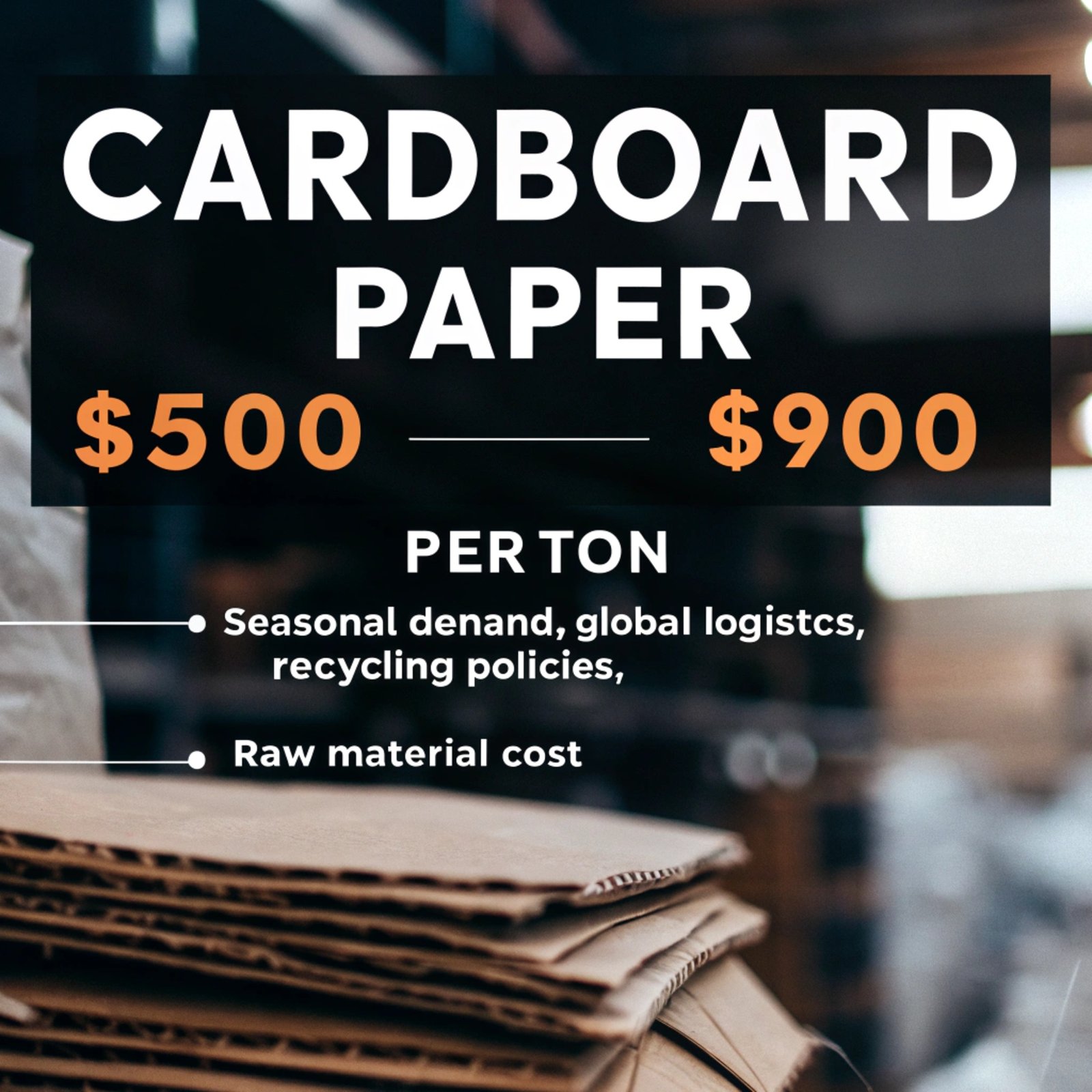
The raw cost of cardboard paper fluctuates widely, from around $500 to over $900 per ton. This price depends on seasonal demand, global logistics, and recycling policies. This raw material cost is a major, but not the only, factor in your final box price.

A simple bar chart showing cardboard price fluctuations over four seasons

My mentor used to talk about "paper industry weather." He taught me to see the patterns in the market. Understanding this rhythm helps my clients save a lot of money.

The Four Seasons of Paper Pricing

  • Spring (Mar-May): Prices start to rise. Back-to-school and mid-year sales events increase demand for packaging.
  • Summer (Jun-Aug): Costs often climb. Rainy seasons can impact the collection and quality of recycled paper, tightening supply.
  • Fall (Sep-Nov): This is the peak. Holiday season preparations create a massive demand surge, and prices hit their highest point.
  • Winter (Dec-Feb): Prices often soften. Factory production slows for holidays, creating the best window for negotiation and stocking up.

In 2021, I saw the signs of a major price hike coming. I advised a large e-commerce client to purchase their full year’s supply of paper in January. It tied up some cash, but they avoided a massive 38% price increase that hit the market a few months later. When they did the math, that one piece of advice had saved them over $300,000. It’s not just about buying paper; it’s about buying paper smartly. We also actively find ways to lower costs without sacrificing quality, using structural design to increase material utilization from 78% to over 90% or using new techniques to make thinner paper just as strong.

Conclusion

The best price is never just the lowest number. It is the cost that delivers the most value and security for your brand over its entire lifecycle. A true partner helps you find that value.


  1. Learn about the Iceberg Theory and how it reveals hidden costs in packaging. 

  2. Discover how investing in quality packaging can lead to better customer retention and brand loyalty. 

What are the most inspiring folding packaging and designing ideas?

Your product’s packaging feels like a missed opportunity. It’s just a container, failing to engage customers or reflect your brand’s innovation. This can hurt sales and brand perception.

The most inspiring folding packaging ideas transform a simple box into a strategic tool. Clever structural designs create unique unboxing experiences, add security features, and even become in-store displays. These designs blend cost-effectiveness with creativity, turning your packaging into a powerful brand asset.

A collection of innovative and inspiring folding carton designs on a clean background

I’ll never forget a moment in 2015 when I visited a century-old confectionery shop in Tokyo. I was mesmerized watching the master package sweets. With a few precise folds, a simple sheet of paper became a beautiful vessel of culture. He told me, "The highest level of folding is to make the packaging part of the product." That one sentence completely changed my understanding of folding packaging. It’s not just about creating a box; it’s about folding intelligence into every crease. Let’s explore how this philosophy can revolutionize your packaging.

What is the difference between a folding carton and a rigid box?

Choosing between box types is confusing. Making the wrong choice can waste money, compromise your product’s safety, and send the wrong message to your customers.

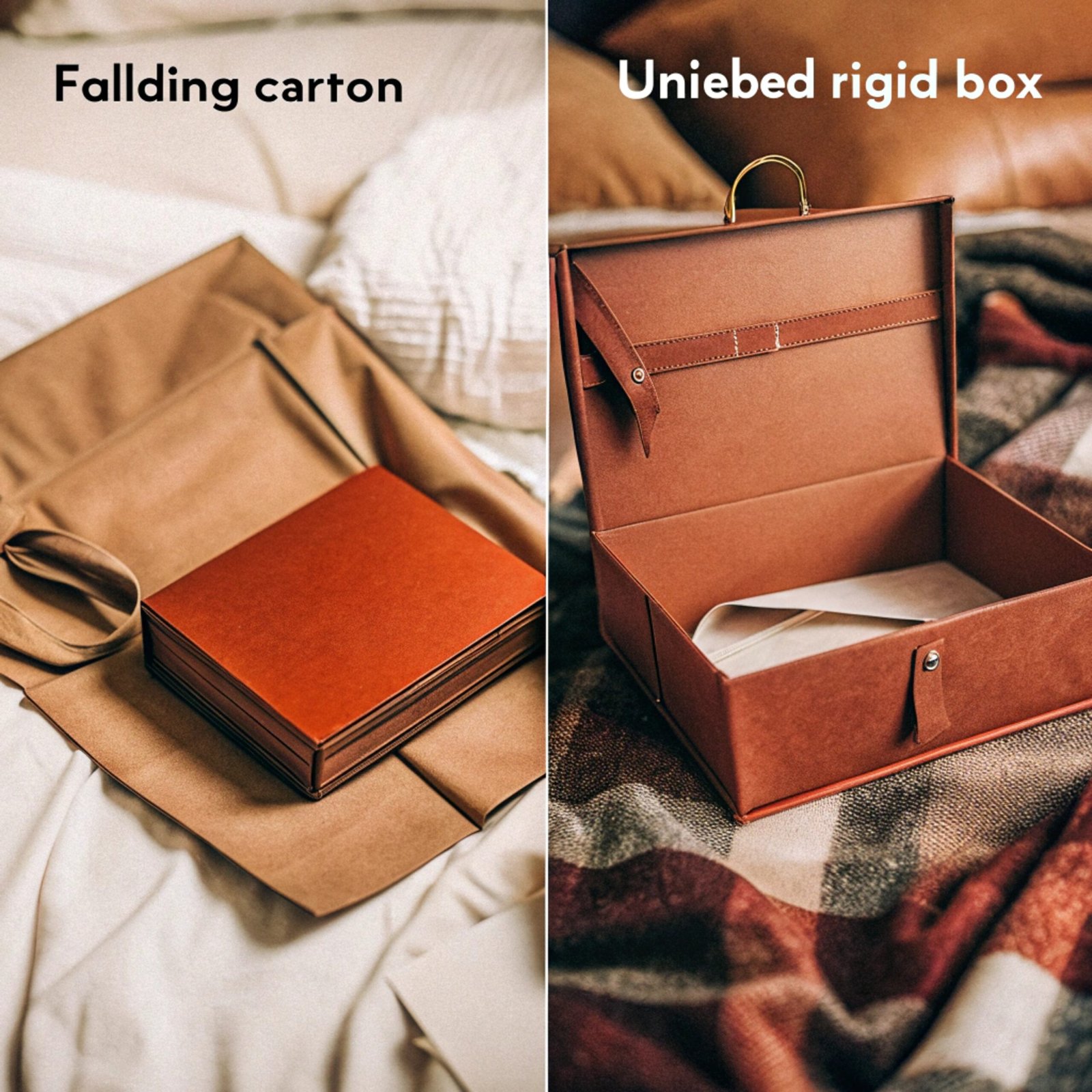
A folding carton1 is made from a single piece of paperboard, shipped flat, and assembled by you or your co-packer. A rigid box is a thicker, pre-assembled box that doesn’t collapse. Folding cartons are versatile and cost-effective, while rigid boxes offer a premium feel.

A side-by-side comparison showing a flat folding carton and an assembled rigid box

I often use an analogy to explain the difference to my clients. A rigid box is like a grand cathedral—majestic, built to last, and crafted with great care. A folding carton is like a masterfully designed garden—it creates endless possibilities in a limited space, full of life and cleverness. This "philosophical difference" impacts everything from design to cost.

Design Philosophy

A rigid box is built with an "architectural mindset." You build the strong frame first, then you decorate it. It’s about creating a solid, imposing structure. A folding carton uses an "origami mindset." All the structure, folds, and functions are pre-planned on a flat surface before being brought to life. It’s about efficiency and transformation.

User Experience

The experience each box provides is different. A rigid box is perfect for a "slow opening ceremony," like unboxing a luxury watch or a high-end smartphone. It creates a sense of anticipation and value. A folding carton excels in "fast-paced scenarios." Think about e-commerce shipping or retail shelves, where efficiency, stackability, and quick access are key.

Cost Structure

The cost breakdown reveals a key secret. For one of my tea clients, we analyzed their costs and found a pattern.

Box Type Material Cost Processing Cost Best For
Rigid Box ~52% ~48% Premium, low-volume
Folding Carton ~32% ~68% Mass production, automation

This data clearly shows why folding cartons are the champion for large-scale, standardized production. The main cost is in the high-speed processing, not the raw material itself.

How big is the folding carton packaging market?

You might think folding cartons are just a basic, low-end option. But this view can make you miss out on a massive and innovative market. This is a huge industry.

The global folding carton market is a powerhouse, valued at around $140 billion and growing steadily at 4.2% annually. Key growth sectors include pharmaceuticals and e-commerce, which saw over 12% growth last year. It is a market defined by scale and continuous innovation.

A dynamic chart showing the growth of the global folding carton market

Folding cartons are the "invisible champions" of the packaging world. Their market size and potential are enormous, and they are powered by strong, reliable trends. The scale of this market is impressive and continues to expand faster than the general economy.

A Stable Foundation

The global market was approximately $140 billion in 2023. Its stable annual growth rate of 4.2% is higher than the GDP growth of many developed countries. This shows a consistent, reliable demand for folding cartons across many industries, including food, cosmetics, and consumer goods. This isn’t a fad; it’s a foundational part of global commerce.

New Growth Engines

Certain sectors are pushing growth even faster.

  • Pharmaceutical Packaging: Growing at 7.8% annually, driven by an aging global population and the need for secure, informative packaging.
  • E-commerce Packaging: Exploding with 12.3% annual growth. The rise of social commerce and livestream selling has created huge demand for shippable, brandable, and efficient boxes.

The China Manufacturing Advantage

I personally managed a project where a European luxury brand moved their folding carton orders to us in China. The results went far beyond just cost savings. They not only reduced their packaging costs by 35%, but they also achieved:

  • A 7-day sampling and prototyping cycle, compared to 21 days in Europe.
  • PANTONE color consistency with a Delta E value under 1.5, which is far stricter than the international standard of Delta E < 3. This proves that high efficiency and superior quality can go hand-in-hand.

What is the process of making folding cartons?

A simple box seems easy to make. But underestimating the complexity of the manufacturing process can lead to poor quality, delays, and unexpected costs that disrupt your launch schedule.

Making a folding carton is a high-tech process. It begins with a structural engineer creating a blueprint in CAD software. This file guides automated prepress, printing, and finishing machines that print, cut, fold, and glue the box into its final shape at high speed.

An infographic illustrating the folding carton manufacturing process from design to finished product

Our production line works like a precision orchestra, where every section must perform perfectly for the final product to succeed. I am most proud of a project where we designed a micro-folding structure for a vaccine insert. We managed to compress a full A4-sized page of information into a box the size of a postcard, and it was still perfectly readable. This is the magic that happens when engineering and design work together.

1. Design & Pre-press (The Composition)

This is where the music is written. Our structural engineers use CAD software to design the box, focusing on details as small as 0.1mm. We run simulations to test stacking strength; for one client, our honeycomb-inspired internal structure increased load-bearing capacity by 40%. The design then goes to CTP (Computer-to-Plate) production, creating printing plates with dot precision from 1% to 99%. Our ink lab mixes custom inks to achieve a 98% match for special brand colors.

2. Printing & Finishing (The Performance)

This is the live show. The paperboard runs through our 6-color UV printing presses, which increase color saturation by 30% compared to conventional presses. Special finishes like hot stamping or embossing are then applied inline. Our machines can apply foil with an accuracy of ±0.15mm, ensuring a perfect look on every single box.

3. Die-cutting & Gluing (The Finale)

After printing, the sheets go to the automatic die-cutting machines. The die, a sharp "cookie cutter" for paper, is so durable it can make up to 1 million cuts before needing replacement. Finally, robotic arms fold and glue the boxes at incredible speeds. A single machine in our facility can finish over 50,000 boxes per day. This is how we ensure consistency and meet tight deadlines for our clients.

What are some innovative structures for folding cartons?

Your box just holds the product. But this is a wasted opportunity. A standard box does nothing to enhance security, improve the customer experience, or make your brand stand out.

Innovative structures2 transform a simple carton into a multi-functional tool. Examples include anti-theft designs3 with integrated tear strips, cartons that unfold into retail displays, and clever easy-carry solutions for food service. These smart designs solve real-world problems for your business.

Examples of folding cartons with innovative structural designs like pop-up inserts and anti-theft locks

I keep a collection of clever box designs in my office. They remind me that with a little "space magic," a small change in structure can make a huge difference. These innovations helped one of our clients reduce customer complaints related to packaging by 62%. True innovation in packaging is about solving problems and creating value.

Anti-Theft and Security Structures

For a high-end electronics client, we designed a "single-form anti-theft box." It included a special tear-strip that provided visual evidence of tampering if opened. It also had hidden locking tabs that made it nearly impossible for someone to swap out the product inside the box without completely destroying the packaging. This gave our client peace of mind and protected their revenue.

In-Store Display Structures

A cosmetics brand wanted packaging that would stand out on a crowded shelf. We developed a "self-erecting display box." When the lid is opened, an internal platform automatically lifts and presents the product at a perfect angle. This created a mini-theater on the shelf, grabbing customer attention and saving precious counter space for retailers.

Sustainable and Smart Structures

The future of folding cartons is green and intelligent. We are increasingly using water-based coatings that allow the box to biodegrade in 6 months instead of 200 years. We also design glueless structures that assemble with clever locking tabs, eliminating adhesives entirely. For an auto parts client, we even designed a box that could be refolded into a reusable toolbox, with the internal cushioning becoming workshop padding. This innovative structural designs4 helped them achieve a 91% packaging recycling/reuse rate.

Conclusion

Folding cartons are more than just containers. They are a strategic tool for branding, efficiency, and customer delight, blending the art of design with the precision of engineering.


  1. Get insights into the production and benefits of using folding cartons for packaging. 

  2. Explore innovative packaging structures that enhance functionality and appeal. 

  3. Learn how anti-theft designs can protect products and enhance customer trust. 

  4. Learn how innovative structural designs can transform packaging into a powerful marketing tool. 

How do you create a memorable unboxing experience?

Struggling to make your brand stand out? Your packaging feels like a throwaway item, failing to connect with customers and create a lasting impression.

A custom rigid box creates an unforgettable experience by engaging multiple senses. It uses tactile materials, satisfying sounds, and a structured reveal to transform a simple opening into a shareable brand story and powerful marketing moment.

A luxurious custom rigid box being opened, with soft lighting highlighting the product inside.

It’s about more than just a box. I once worked with a client creating bespoke mechanical watches. A year after we designed their packaging, I received an email from one of their customers. He had gifted his father a watch for his 70th birthday. He told me how his father, who rarely shows emotion, paused as he opened the box. The weight, the magnetic click, the way the watch was presented on a raised platform—it all commanded respect. His father looked up and simply said, "They don’t make things like this anymore." In that moment, the box wasn’t just a container; it was part of the gift, a symbol of quality and a memory they now share. This is the power we aim to create, turning a simple product delivery into a core part of your brand’s story.

How Do you Design an Emotional Unboxing Journey?

Your packaging looks good, but does it feel special? A plain box gets ignored, missing the chance to build an emotional connection and create brand loyalists.

Design an emotional journey by mapping it like a short film. Use high-quality materials for a great first touch, create suspense with layers, and build to a climax where the product is revealed spectacularly.

A diagram showing the different layers and reveals inside a complex rigid box design.

I encourage my team to think of the unboxing experience1 as a "heartbeat curve," a micro-movie with a clear beginning, middle, and end. We design the entire sequence to manage the customer’s emotions. We even conduct "blind tests" where participants experience the packaging without seeing it first, forcing us to perfect the non-visual cues.

The Five Senses Blueprint

To build this journey, we engage all five senses.

  • Touch: The first impression starts with touch. We experiment with different papers to create a tactile memory. For a skincare line, we might use a soft, matte-finish paper that mimics the product’s texture. For a tech gadget, a sleek, anti-scratch coating feels more appropriate. The resistance of the lid, calibrated to a specific force, contributes to a feeling of quality.
  • Sound: Sound is a subtle but powerful tool. The click of a magnetic closure is something we obsess over. We control the magnet’s strength and placement to tune the frequency of the sound, aiming for a satisfying tone in the 2,000-4,000 Hz range, which a person finds most pleasing.
  • Sight: Visually, we create a rhythm. The design might use a dark exterior that gives way to a lighter interior, drawing the eye toward the product. We use techniques like micro-embossing to create subtle patterns of light and shadow that add depth and a premium feel.
  • Smell: Scent can create a powerful memory anchor. For one fragrance brand, we infused the paper pulp with a subtle cedar essence. This created a unique "scent logo" that customers associated directly with the brand every time they opened the box.
Sensory Element Design Technique Customer Emotion
Touch Speciality paper (e.g., soft-touch) Luxury, Quality
Sound Tuned magnetic closure2 Satisfaction, Security
Sight Layered reveal, focused lighting Suspense, Excitement
Smell Scent-infused paper or ink Memory, Brand Identity

Why Is a Great Unboxing Experience Worth the Investment?

Worried about the higher cost of premium packaging? You see it as just another expense, not an asset, potentially losing out on powerful, low-cost marketing.

Investing in unboxing pays off significantly. It acts as a silent salesperson driving repeat purchases, becomes a mobile billboard when kept, and generates free user-generated content, ultimately lowering your customer acquisition costs.

A collage of Instagram and TikTok unboxing videos featuring a branded box.
Many of my clients, especially startup founders and cautious purchasing managers like Anne, ask me, "Is it really worth adding 20% to my packaging cost for the unboxing?" My answer is always backed by data. A great unboxing experience isn’t a cost; it’s a high-return investment.

The Silent Salesperson

Your packaging is the first, and sometimes only, physical interaction a customer has with your brand, especially in e-commerce. It speaks for you when you’re not there. Our data shows that 78% of consumers are more likely to make a repeat purchase from a brand that uses premium packaging. For one direct-to-consumer cosmetics client, we found that focusing on a high-quality unboxing experience helped lower their customer acquisition cost by over 30% because of the word-of-mouth it generated.

The Mobile Billboard

A cheap box gets thrown away. A beautiful, sturdy rigid box gets kept. Statistics show that over 40% of consumers will keep premium packaging for six months or longer. They use it for storage, for display, or simply because it feels too valuable to discard. Each retained box becomes a mini-advertisement in your customer’s home, seen by friends and family. A box on a shelf can generate dozens of impressions a month for free.

The Content Goldmine

In the age of social media, unboxing is a performance. An amazing experience practically begs to be shared. The resulting user-generated content (UGC) is marketing gold. One client, a niche beverage company, saw customer unboxing videos on TikTok get millions of views. This was equivalent to a massive advertising campaign they never had to pay for.

Investment Benefit Tangible Outcome
Drives Loyalty 78% of customers more likely to re-purchase.
Lowers Ad Spend Unboxing shares can reduce customer acquisition cost3 by 32%.
Creates Free UGC Videos and posts provide free social proof and content.
Builds Brand Equity 43% of customers keep premium boxes for 6+ months.

What Details Define a Flawless Unboxing Process?

Does your packaging ever frustrate customers? A box that’s hard to open, feels flimsy, or presents the product messily can ruin the first impression and even lead to bad reviews.

A flawless process comes from a "millimeter philosophy." We engineer every detail, from the exact force needed for opening to the precise speed an inner tray rises, ensuring a smooth, intuitive, and delightful experience.

A close-up shot of a thumb-notch or ribbon-pull on a luxury box, showing ease of opening.

At our company, we have what we call an "unboxing lab" where we use high-speed cameras to analyze every micro-moment of the opening process. Success is measured in millimeters and newtons. One major phone brand came to us after receiving constant complaints that their packaging was too difficult to open. After our redesign, customer service calls about the packaging dropped by over 90%.

The First Touchpoint

The experience fails if it’s not intuitive. We design the opening mechanism to be obvious and effortless. The area where a finger first makes contact should be large enough (over 2cm²) to feel generous, not cramped. The force required to open the lid or slide a drawer should be calibrated between 3 and 5 newtons, strong enough to feel secure but easy enough for anyone to open without a struggle.

The Golden Seven Centimeters

The first few moments of lifting a lid are critical. We found that the smoothness of the first 7 centimeters of travel determines over 80% of the customer’s impression of the box’s quality. We use hidden guide rails and carefully controlled friction to eliminate any sticking or wobbling, creating a single, fluid motion.

The Moment of Surprise

The product reveal is the climax. We often design a 0.5-second pause just before the product is fully visible, building a moment of anticipation. For high-end items, we might use a mechanism that slowly raises the product on an inner platform. Our tests show that a lifting speed of around 3cm per second is ideal, slow enough to feel luxurious but fast enough to hold attention. It makes the product feel like it’s being presented, not just contained. It is this attention to detail that transforms a simple box into a premium experience.

Can a Premium Experience Also Be Sustainable?

You want a premium feel but your customers demand sustainability? You’re stuck trying to choose between creating a luxury experience and meeting your brand’s environmental goals.

Absolutely. Modern sustainable packaging4 can enhance the premium experience. We use innovative solutions like plantable boxes, designs with a second life, and digital integrations that reduce waste while adding a unique, memorable element.

A beautiful box that has been repurposed as a stylish desktop organizer or planter.

The idea that sustainability means sacrificing quality is outdated. In fact, for today’s conscious consumer, sustainability is a core part of the premium experience. We are constantly developing new ways to merge eco-friendly practices with high-end design, and the results are often more engaging than traditional packaging.

Packaging with a Second Life

The most sustainable package is one that never gets thrown away. We focus on "second-life design," where the box is created to be repurposed.

  • A rigid box for jewelry can be designed with removable inserts to become a permanent jewelry case.
  • For an electronics brand, we integrated a wireless charging module into the box, turning it into a desktop charging station.
  • A beauty box can be designed to perfectly stack and serve as a makeup drawer organizer.
    This approach not only reduces waste but also keeps your brand in the customer’s daily life.

Innovative Materials

We are moving beyond just recycled paper. We now work with materials that actively give back to the environment.

  • Plantable Packaging: We’ve created boxes embedded with seeds. After unboxing, the customer can soak and plant the packaging to grow herbs or wildflowers. One beauty brand saw a 26% increase in social media shares after launching a plantable box.
  • Agricultural Waste: Materials made from agricultural waste like sugarcane (bagasse) or mushrooms (mycelium) offer a premium, textured feel while being fully compostable.

Digital Integration

We also reduce material use by moving components into the digital world. Instead of printing a thick manual, we embed a single QR code that links to an interactive AR tutorial5. This can reduce paper use by up to 80% while providing a richer, more engaging user experience. For one client, a sustainable apparel brand, this approach helped increase their conversion rate by 38%, as customers felt the packaging aligned perfectly with the brand’s values.

Conclusion

The best unboxing is more than a trend; it’s a bridge between your product and your customer. It makes the experience of receiving something in the mail feel personal and special again.


  1. Find out the key elements that contribute to a memorable unboxing experience for customers. 

  2. Explore how magnetic closures can enhance the tactile experience and perceived quality of packaging. 

  3. Learn how effective packaging strategies can lower marketing expenses and drive sales. 

  4. Learn how sustainable packaging can align with consumer values and enhance brand perception. 

  5. Explore how integrating AR into packaging can provide 

What are the rigid boxes used for?

Your premium product deserves more than a flimsy carton. Poor packaging can damage products and ruin your brand’s reputation. Rigid boxes provide the structural integrity and high-end feel that protect and elevate your brand.

Rigid boxes, also known as set-up boxes, are used for high-value products to enhance their perceived value and provide superior protection. They are perfect for luxury goods, electronics, cosmetics, and premium gifts, creating a memorable unboxing experience that communicates quality and elevates the brand’s premium positioning.

A collection of high-end rigid boxes for various products like electronics and cosmetics

I once received photos from a Swiss client. They showed an instrument case we had designed years ago, now repurposed as a specimen container in their lab. The original shipping label was still on the lid. This small moment showed me the true power of a well-made rigid box. It’s not just packaging; it becomes a part of the product’s life. This durability and premium feel are at the core of why brands choose them. But a question I often get is about their practicality beyond the shelf.

Can rigid boxes be used for shipping?

You love the premium feel of rigid boxes but worry about shipping them directly. Using a separate shipping box adds cost, waste, and complexity to your fulfillment process. With the right design, rigid boxes can absolutely double as your primary shipping container.

Yes, rigid boxes can ship directly, but they must be engineered for it. This often means thicker boards, secure locking mechanisms, and protective inserts. For maximum protection, most brands still place the rigid box inside a standard corrugated shipping carton to preserve its finish.

A durable rigid box with a shipping label, ready for transit

The decision to ship a rigid box directly depends on balancing brand experience, cost, and product safety. A rigid box that arrives on a customer’s doorstep as the primary package offers an incredible unboxing experience. It feels like receiving a special gift. However, it’s also exposed to the harsh realities of logistics: scuffs, dirt, and impacts. My Swiss client’s instrument box was a great example. It was designed to be a "mobile harbor" for the sensitive equipment inside. In their email, they wrote, "This box taught us: the best protection is not confinement, but giving precision a space to breathe freely." This is the goal.

Comparing Shipping Methods

To make the right choice, you need to weigh the pros and cons. Here is a simple breakdown to help you decide what works best for your product and budget.

Feature Direct Shipping Rigid Box Rigid Box in a Shipper
Unboxing Feel Very premium, direct-to-product Two-step, less impressive initially
Box Condition Prone to scuffs, dents, and labels The rigid box arrives pristine
Protection Good, requires inserts and strong walls Excellent, double-layer protection
Cost & Materials Higher single-unit cost, less waste Two separate boxes, more material

Ultimately, the best solution respects the product. For an ultra-luxury item, placing it inside a shipper ensures it arrives in perfect condition. For a durable product, a well-designed mailer-style rigid box can provide a unique and sustainable solution.

What is the difference between a rigid box and a tuck box?

You’re choosing between packaging options but the terms are confusing. Picking the wrong type means you either overspend on a simple product or cheapen the feel of a premium one, hurting your budget or brand image. Understanding their core differences makes the choice simple.

The main difference is construction. A rigid box is made from thick, non-collapsible chipboard wrapped in paper, giving it a sturdy, premium feel. A tuck box, or folding carton, is made from a single piece of paperboard that is die-cut, scored, and shipped flat.

A sturdy, pre-formed rigid box next to a flat, unassembled tuck box

Think of it like this: a rigid box is like a hardcover book, while a tuck box is like a magazine. One is built for permanence and protection, the other for efficiency and retail display. I remember working with an artisanal food producer. They initially wanted a folding carton for their premium chocolates to save on shipping costs. But when we placed their beautifully crafted chocolates in a simple tuck box, they looked lost and undervalued. We switched to a custom rigid box with a fitted insert. The change was immediate. The packaging communicated the same quality and care that went into the chocolates themselves, and they were able to enter high-end markets.

Key Functional Differences

Choosing between these two styles comes down to your product’s needs, your budget, and the experience you want to create for your customer. Each has a clear purpose.

Feature Rigid Box (Set-Up Box) Tuck Box (Folding Carton)
Material Thick paperboard (2-3mm), wrapped in paper or fabric Single-layer paperboard (e.g., SBS, C1S)
Assembly Arrives pre-assembled, cannot be collapsed Shipped flat, requires assembly (manual or automated)
Strength Extremely strong and durable, offers excellent protection Lighter, offers moderate protection, can be crushed
Perceived Value High, associated with luxury and premium quality Standard, suitable for mass-market retail
Best Use Jewelry, high-end electronics, cosmetics, spirits, gifts Cereal, medicine, software, most everyday retail items

Your packaging choice tells a story. A tuck box says "I’m an everyday product," while a rigid box says "I am something special." Make sure the story matches your product.

What products are rigid packaging?

You know you need premium packaging but are unsure if a rigid box is the right fit. Choosing an unsuitable style can lead to unnecessary costs or a package that fails to protect or impress your customer. Knowing what products typically use rigid boxes helps you make a confident decision.

Rigid packaging is the go-to choice for products where presentation and protection are critical. This includes high-end electronics like smartphones, luxury cosmetics and perfumes, fine jewelry and watches, premium spirits like whiskey, and gourmet food gift sets. It signals quality before the product is even seen.

A display of various luxury products packaged in elegant rigid boxes

When a major electronics exporter came to me, they were struggling. Their product damage rate during shipping was almost 15%. Their existing packaging just wasn’t strong enough. We developed a rigid box solution with custom-engineered foam inserts. It wasn’t just about making a stronger box; it was about creating a system where the product could "breathe" and absorb shock. The result? Their damage rate fell to less than 1%. This is the essence of a rigid box’s job: it’s not just a container, but a protector. It’s an investment that pays for itself by preventing loss and enhancing brand reputation. When a customer receives a product in a box that feels substantial and protective, they trust the brand more.

Industries That Rely on Rigid Boxes

Different industries use rigid boxes for different reasons, but the common thread is always value—either protecting monetary value or creating perceived value.

  • Electronics: Brands like Apple use rigid boxes to protect delicate components and create a premium unboxing experience that feels clean, organized, and exciting.
  • Cosmetics & Beauty: High-end brands use them to make their products feel like a luxurious indulgence. The weight and finish of the box contribute to the overall brand story.
  • Jewelry & Watches: For these high-value items, the box is part of the product. It serves as a permanent storage case and must reflect the quality of the item inside.
  • Wine & Spirits: A rigid box can turn a single bottle into a distinguished gift. It provides excellent protection for a fragile glass bottle while adding a layer of sophistication.
  • Gourmet Foods: For items like artisanal chocolates or specialty teas, the packaging needs to communicate freshness, quality, and the craft behind the product.

In every case, the rigid box is not a cost—it’s an amplifier of value.

Conclusion

A rigid box is more than protection; it’s a statement. It transforms a product into an experience, protects value, and becomes a lasting part of your brand’s story.

How can you get the best packaging boxes at a cheap price?

You need quality packaging, but your budget is tight. Sourcing cheap boxes often leads to poor quality that damages your products and brand reputation. Finding the balance feels impossible.

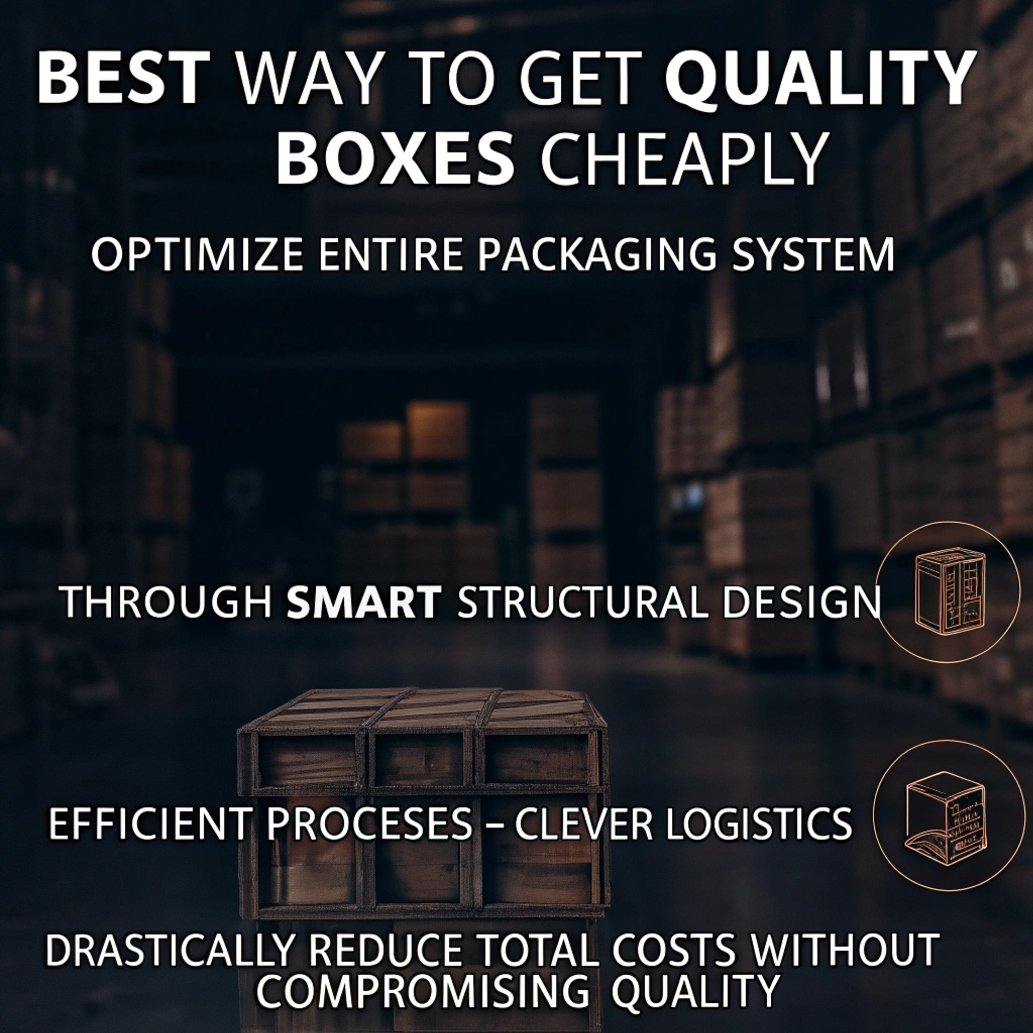
The best way to get quality boxes cheaply is not by finding the lowest price per unit, but by optimizing the entire packaging system. Smart structural design, efficient processes, and clever logistics can drastically reduce your total costs without sacrificing quality.

A collage of high-quality yet cost-effective packaging solutions

The search for a "cheap price" can be misleading. I’ve learned that the lowest number on a quote is rarely the best value in the long run. Real savings come from a smarter, more holistic approach. A great partner doesn’t just give you a price; they find you hidden savings throughout your entire process. Let’s look at how to achieve true cost-effectiveness without compromising the quality your brand deserves.

Is there a secret to finding the most cost-effective packaging1?

You’re constantly being asked to cut costs. But cheap materials can make your premium product look ordinary and lead to damage. How can you save money while still protecting and elevating your brand?

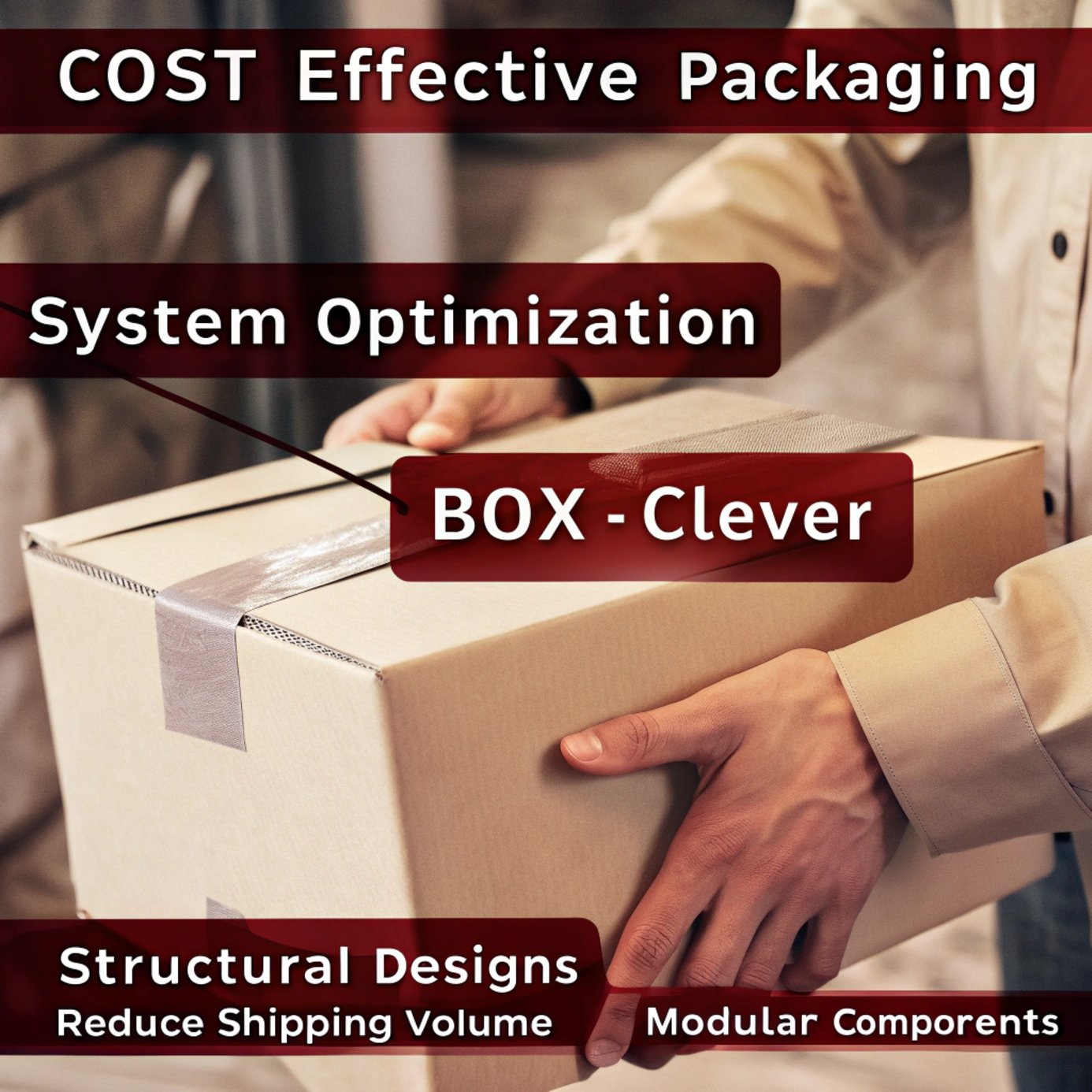
The most cost-effective packaging1 is a result of system optimization, not just material cost-cutting. This involves clever structural design to reduce shipping volume2, simplifying finishing processes, and creating modular components to decrease inventory complexity.

An engineer's diagram showing structural optimization of a box

I worked on a project for an Australian health products company that perfectly illustrates this. Their goal was a 30% cost reduction, which seemed impossible without making the packaging look cheap. Instead of just quoting a lower price, we looked at their whole system. We called this our "Value Optimization" process. By focusing on smart changes instead of just cheaper materials, we not only met their goal but actually improved their packaging’s perceived value. This experience taught me a crucial lesson: the biggest savings are often hidden in plain sight, within the design and logistics, not just the supplier’s price tag.

Let’s explore how we achieved this:

  • Structural Magic: The first thing we did was analyze the box structure itself. We found that by reducing the box height by just 5 millimeters, we could fit significantly more units into a shipping container. This small change saved them 17 cubic meters of shipping space annually, a massive saving on freight costs.
  • Process Subtraction: The original design called for expensive hot foil stamping. We suggested switching to a deep debossing technique. The final look was just as elegant and premium, but this simple change in craft reduced the finishing costs by 40%. The customer got a similar high-end effect for a fraction of the price.

How can smart design choices save money on materials and shipping?

You have many different products, each needing its own box. This means high SKU counts, complex inventory management, and increased costs for tooling and storage. Can you simplify this without a one-size-fits-all solution?

By developing modular and adjustable components, like internal trays, you can use the same outer box for multiple products. This drastically cuts down on the number of unique box sizes (SKUs) you need to produce and manage, leading to significant savings.

A packaging box with adjustable internal trays for different products

For my Australian client, managing inventory for their wide range of bottle sizes was a major headache and expense. Every product had a unique box. Our solution was to design a single, elegant outer box and create a set of adjustable internal trays. This modular design was a game-changer. It allowed them to use the same packaging for dozens of different products, simply by changing the insert. This consolidation strategy was incredibly effective and shows how thinking inside the box can lead to big savings. True cost optimization comes from making your packaging work smarter, not just cheaper.

Let’s break down the impact of this modular approach:

  • SKU Reduction: This was the biggest win. By creating adjustable inserts, we reduced their packaging SKU count by a staggering 70%. This meant less money tied up in inventory, simplified warehouse management, and fewer production runs.
  • Tooling Savings: Fewer unique box designs mean fewer cutting dies and printing plates are needed. This significantly lowers the initial setup costs for production.
  • Flexibility: They could now launch new products or change bottle sizes without needing to design and order completely new packaging from scratch, making them much more agile in the market.

Where is the cheapest place to get boxes made and assembled?

You’ve found a low price for boxes, but the costs add up. High labor costs for assembling the boxes at their destination can erase any initial savings. Is there a way to manage total cost better?

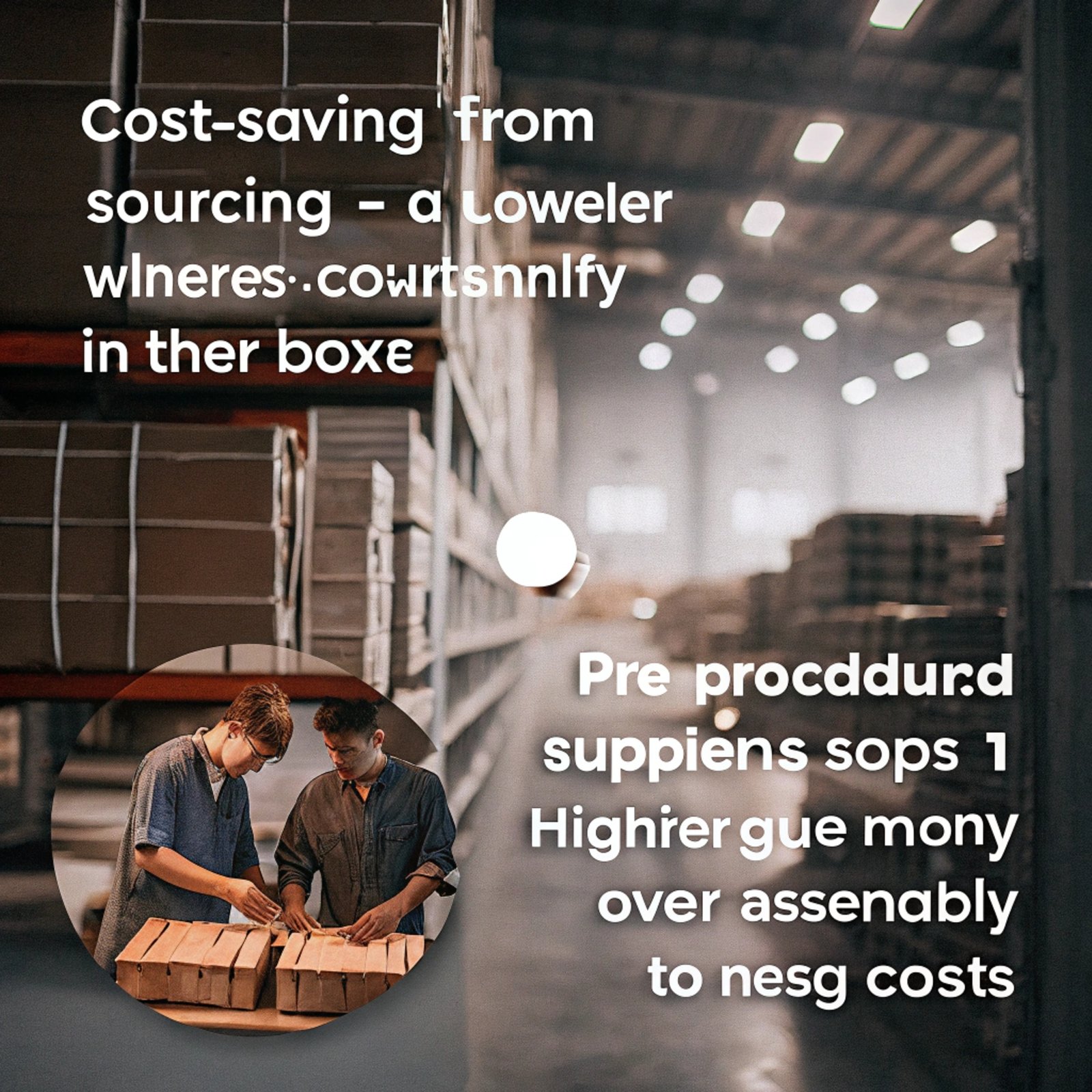
Sourcing from a country with lower production costs, like China, and having the supplier pre-assemble the boxes is often cheapest. This tactic leverages lower labor rates for assembly, saving you significant money compared to assembling them in high-wage countries.

A factory assembly line showing workers pre-assembling packaging boxes

This was the final piece of the puzzle for our Australian client. Assembling flat-packed boxes in Australia was expensive due to high local labor costs. We proposed a new strategy: we would handle 80% of the assembly here in our facility in China. The boxes would arrive practically ready to go, needing only the final product insertion. This shifted a significant portion of the labor cost from a high-cost environment to a lower-cost one. This pre-assembly strategy alone was a huge financial win and emphasizes why you must look at the total landed cost, not just the factory price.

Here’s why this strategy is so powerful for brands like Mike’s, who need to manage costs for US and EU markets:

  1. Lower Labor Rates: We completed the most time-consuming parts of the assembly at a much lower labor cost.
  2. Reduced On-Site Labor: Their team in Australia could pack products faster, with less manpower needed for tedious box folding.
  3. Faster Time-to-Market: With assembly already done, they could get their products onto shelves much more quickly after the shipment arrived.

In the end, by combining all these system optimizations, the client’s total packaging cost dropped by 31%, and the packaging quality actually went up.

Conclusion

True savings on packaging come from smart system optimization, not just squeezing suppliers for the lowest price. A good partner helps you find value in design, process, and logistics.


  1. Find out the key factors that contribute to cost-effective packaging solutions for your business. 

  2. Explore how minimizing shipping volume can lead to significant cost reductions in logistics. 

What Are the Main Benefits of Using Rigid Boxes?

Your premium product is let down by flimsy packaging. This damages your brand’s reputation before the customer even sees the product. Rigid boxes offer a solution that protects and impresses.

The main benefits of rigid boxes are superior product protection, an enhanced luxury unboxing experience that increases perceived value, and a high rate of reusability, which extends brand exposure long after the initial sale.

A collection of high-end rigid boxes for various products

Whenever I see a child using one of our boxes as a pencil case, or when I notice a five-year-old sample still displayed proudly in a client’s showroom, I know we’ve succeeded. It confirms my belief that the true value of packaging isn’t just in the moment it’s opened, but in its ability to become something cherished, something people don’t want to throw away. If you’re looking for packaging that becomes a keeper, let’s explore why rigid boxes are the answer.

How do rigid boxes enhance product value and protection?

Standard boxes can get crushed or look generic. This can lead to product damage and a disappointing unboxing experience for your customers. Rigid boxes provide a powerful alternative that solves both problems.

Rigid boxes offer unmatched structural strength to protect items during shipping. Their high-quality finish and substantial feel immediately signal a premium product, justifying a higher price point and elevating the overall brand experience.

An elegant two-piece rigid box for a luxury product

For a purchasing manager like Anne, the packaging must perform two jobs: protect the asset and build the brand. Rigid boxes excel at both. I think of them like excellent architecture—they need a solid foundation for strength and a beautiful skyline for appeal. This dual function is what creates real, measurable value. It reduces the costs associated with damaged goods while simultaneously increasing customer loyalty and perceived brand worth.

Let’s break down these key advantages:

  • Structural Integrity: Made from thick, non-bending greyboard, rigid boxes are incredibly strong. They resist crushing and impact far better than folding cartons. This was critical for an electronics client of mine, where we slashed their product damage rate from 15% to less than 1% simply by switching to a well-designed rigid box.
  • Perceived Value: A rigid box feels substantial. Its weight, smooth wrapped edges, and satisfying fit between lid and base create a tactile experience that screams "luxury." This premium feel allows brands to command higher prices and reinforces the quality of the product inside.
  • Unboxing Experience: The reveal is part of the product. Two-piece rigid boxes, often called "lift-off lid" boxes, create a moment of anticipation and ceremony. This slow, deliberate unboxing process makes the product feel more special and creates a memorable, shareable experience for the customer.

Are rigid boxes an eco-friendly packaging1 choice?

Your brand is committed to sustainability, but you need a premium solution. It feels like you have to choose between luxury and being eco-friendly. Can a high-end box also be good for the planet?

Yes, rigid boxes can be a very eco-friendly option. They are primarily made from greyboard, which is often 100% recycled paper. They are also highly reusable and durable, which extends their life and reduces waste.

A rigid box with a recycling symbol and natural branding

This is a frequent and important conversation I have with clients like Anne, who is responsible for meeting US and EU market standards for sustainability. The key is to understand the full lifecycle of the packaging. While the initial production is more resource-intensive than a simple mailer, the long-term benefits often create a better environmental story. My core belief is that the most eco-friendly product is one that doesn’t get thrown away.

Here’s how rigid boxes contribute to sustainability:

  • Recycled Core: The structural greyboard2 inside the box is almost always made from post-consumer recycled paper pulp. This gives a second life to wastepaper and reduces the need for virgin materials.
  • Reusability: This is the biggest advantage. Rigid boxes are not disposable. Customers keep them for storage, organization, or as decorative pieces. One of my artisanal food clients found that customers were reusing their beautiful boxes as kitchen organizers, keeping the brand’s logo visible in their home for months.
  • Recyclability: While the base materials are recyclable, the final product’s recyclability depends on the finishes. For a box to be easily recycled, it’s best to avoid non-paper additions.
Feature Eco-Friendly Consideration Best Practice for Recyclability
Core Board Almost always made from 100% recycled paper. Fully recyclable.
Wrap Paper Can be FSC-certified or contain recycled content. Choose uncoated or clay-coated papers.
Lamination Plastic-based (matte/gloss) laminates make recycling difficult. Opt for a biodegradable laminate or an aqueous varnish.
Magnets/Ribbons These are contaminants in the paper recycling stream. Design the box to be closure-free or use recyclable paper ribbons.

By making conscious choices about materials and finishes, we can design a rigid box that is both luxurious and responsible.

Conclusion

Rigid boxes are a valuable investment. They protect your product, elevate your brand’s image, and offer a sustainable packaging solution through their high potential for reuse and recycled content.


  1. Investigate the sustainability aspects of rigid boxes and their environmental impact. 

  2. Learn about the materials that make rigid boxes strong and durable. 

What Are The Best Materials For Rigid Boxes?

Choosing the right material feels overwhelming. A wrong choice can make your luxury product look cheap. The best material is a perfect match between a strong inner core and a beautiful outer wrap.

The best material is a combination. It uses a thick, sturdy paperboard like chipboard for the core structure. Then, a decorative paper is laminated on the outside. This wrap paper1 is chosen based on your branding needs, such as printing quality, texture, and eco-friendliness.

Different thicknesses of grey cardboard for rigid boxes

When I see a client receive a sample box and they instinctively stroke the surface, I know we’ve made the right choice. Or when I notice a flight attendant carefully placing one of our boxes into an overhead bin, as if it were a precious item itself. These moments remind me that choosing a material isn’t just a technical decision; it’s an emotional one. The best material is one that makes your product speak. The best packaging creates an experience that makes the receiver almost reluctant to open it. If you are looking for that "reluctant to open" feeling, let’s explore how to achieve it.

What material is used for rigid boxes?

You hear "paperboard" but that term is vague. Using the wrong kind of paperboard can result in a box that feels weak. You need to know the specific components for a truly rigid box.

Rigid boxes are made from two key materials. The first is a thick, dense inner core called chipboard or greyboard for structure. The second is a thinner, decorative wrap paper that is glued and laminated to the outside for branding and visual appeal.

Diagram showing the core chipboard and the outer wrap paper of a rigid box

To get the best result, we must understand the two parts of a rigid box: the skeleton and the skin. This clarity is crucial when I work with professional buyers like Anne, who need to ensure quality from a distance. The wrong choice in either part can compromise the final product, affecting everything from durability to brand perception. Let’s break down these two essential components.

The Core: The Box’s Skeleton

The core provides all the strength. It’s made from a very dense, non-bending paperboard, usually called chipboard or greyboard. This material is made from recycled paper pulp that has been compressed into a thick sheet. It is not designed to be pretty; it is designed to be strong. The thickness is the most important factor here. A thicker core means a stronger, heavier, and more premium-feeling box2. The selection of the right thickness directly impacts the box’s structural integrity and its ability to protect the product inside, especially during shipping.

Chipboard Thickness Recommended Use
1.5 mm Small, lightweight items (e.g., small jewelry, USB drives)
2.0 mm Medium-sized items (e.g., candles, cosmetics, smaller electronics)
2.5 mm Larger products (e.g., shoes, skincare sets)
3.0 mm Heavy or high-value items (e.g., spirits bottles, luxury electronics)

The Wrap: The Box’s Skin

The wrap paper is what your customer sees and touches. This is where your brand comes to life. This paper is laminated onto the chipboard core. You can choose from a huge variety of papers to achieve the exact look and feel you want. This layer carries your printed design, your logo, and any special finishes like embossing or foil stamping. The wrap is not just decoration; it’s a key part of the unboxing experience, communicating brand quality before the product is even revealed.

What paper is best for rigid boxes?

There are so many paper choices, and it’s easy to get confused. Choosing based on looks alone can cause problems with printing or durability. The best paper aligns with your specific brand goals.

The best wrap paper depends on your objective. Coated art paper is best for high-quality, vibrant photo printing. Textured specialty paper is best for a tactile, luxury feel. Kraft paper is best for an eco-friendly, natural aesthetic.

Close-up of different paper textures for wrapping rigid boxes

For my clients, choosing the wrap paper is the most exciting part. It’s where we translate brand strategy into a physical experience. Do you want sharp, colorful graphics that pop? Or do you want a subtle, elegant texture that whispers "quality"? Your answer determines the best paper for you. For a purchasing manager like Anne, balancing brand image, cost, and sustainability is key. This is a choice that has to be right. A cosmetics brand might choose a pearl-finish paper, while a tech company may prefer a sleek, matte black wrap. Every choice tells a story.

Let’s break down the most common options:

Wrap Paper Type Best For Considerations
Coated Art Paper Vibrant, full-color printing and photos. The smooth surface is excellent for print detail but can show fingerprints. It can be coated with matte or gloss lamination for protection and effect.
Specialty Paper Creating a unique tactile experience. Comes in many pre-dyed colors and textures (linen, leatherette, etc.). Printing can be more challenging and costly.
Kraft Paper An earthy, eco-friendly, and rustic look. Great for sustainable brands. The natural brown or white color provides a distinct canvas. Print results are more muted.
Foil Paper / Fabric Ultra-premium, high-end luxury products. Foil paper gives a metallic shine. Fabric wraps (like silk or velvet) offer unmatched softness and luxury. This is the highest cost option.

So, if you are an e-commerce brand with bold, colorful branding, coated art paper with a matte laminate is a fantastic choice. If you are an artisanal food producer, Kraft paper might perfectly communicate your natural-ingredient philosophy. For a high-end watch, a textured specialty paper or even a fabric wrap is what creates that unforgettable moment.

How to wrap a rigid box?

You have your core and you have your wrap paper. But how do they come together? A bad wrapping job creates bubbles and misaligned edges, ruining the premium effect completely.

Wrapping a rigid box is a precise manufacturing process. First, adhesive is applied to the printed wrap sheet. Then, a machine accurately places the chipboard core onto the sticky sheet. Finally, the machine folds and tucks the paper edges tightly around the box, creating seamless corners.

A machine wrapping paper around a rigid box

This process is a mix of art and science. I’ve spent years perfecting it with my factory partners. While it can be done by hand for very small quantities, achieving perfect consistency for a large order requires specialized machinery. This automation is what allows buyers like Anne to trust that every single box in a shipment of thousands will meet her brand’s high standards. Even a tiny mistake can reduce the perceived value of the product inside.

Here’s a simplified breakdown of the automated process:

  1. Printing & Cutting: Your design is printed onto large sheets of wrap paper. A die-cutter then cuts them to the exact shape needed to wrap the box, including flaps for the edges.
  2. Gluing: The cut sheets travel on a conveyor belt, and a roller applies a thin, even layer of glue to the back of each sheet.
  3. Spotting: This is the most critical step. A robotic arm or sensor places the flat chipboard core precisely onto the center of the glued wrap paper. An error of even a millimeter here will result in a crooked wrap.
  4. Wrapping & Folding: The machine then systematically folds the extending paper flaps up and over the sides of the chipboard. It uses pressure and heat to press the paper down, removing any air bubbles. Then, it carefully tucks and folds the corners for a sharp, clean edge.

The quality of the glue, the precision of the spotting machine, and the skill of the operator all contribute to the final result. This is why partnering with an experienced supplier is so important. A perfectly wrapped box has no bubbles, tight corners, and edges that meet flawlessly. It’s a small detail that makes a huge difference in perceived quality.

Conclusion

The best material is not a single choice, but a thoughtful combination. A strong core gives it structure, while the right wrap paper gives your brand a voice and an emotional connection.


  1. Explore various wrap paper options to enhance your product’s presentation and branding. 

  2. Explore design and material choices that contribute to a high-end packaging experience. 

Request a Free Quote

Send us a message if you have any 

questions or request a quote. We will be back to you ASAP!

Ask For A Quick Quote

We will contact you within 1 working day