Are custom rigid boxes worth the investment for your brand?
Your product is amazing, but it arrives in a flimsy box. This creates a poor first impression and hurts your brand. You need packaging that shows quality from the very first touch.
Yes, custom rigid boxes are becoming the top choice in many industries. Their strong structure and premium feel make them perfect for luxury goods, cosmetics, electronics, and high-end food products. They protect the item inside and greatly improve the brand’s perceived value.
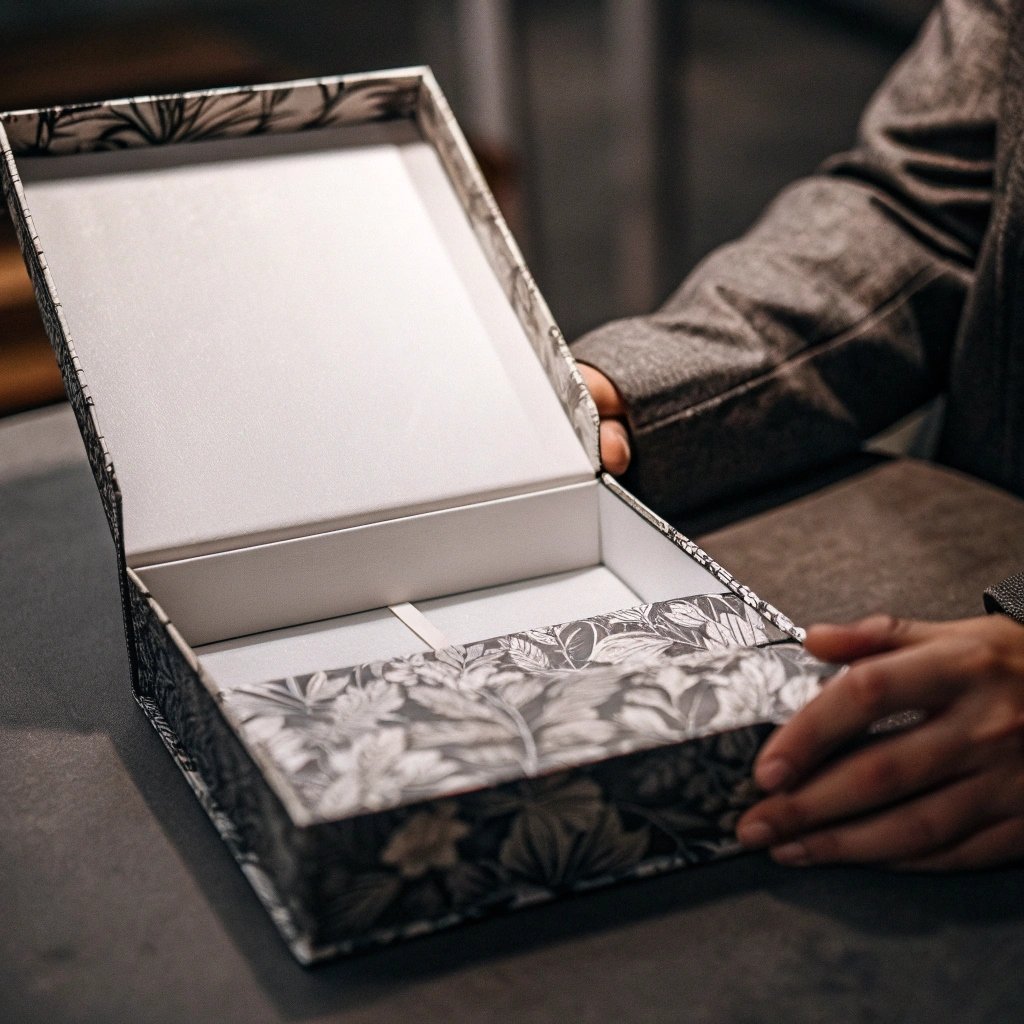
I’ve spent my career watching great products fail because of poor packaging. It’s a silent killer for a brand’s reputation. A customer’s first physical interaction with your brand is the box it arrives in. If that box feels cheap, the product inside instantly feels less valuable, no matter how good it is. That’s why I always guide my clients to think of packaging not as a cost, but as a crucial part of their product. We need to bridge that gap between online perception and in-hand reality. This is where the power of a good rigid box comes into play, and I want to walk you through exactly why and how they make such a big difference.
What is a rigid box?
You see these beautiful, sturdy boxes but might not know what to call them. You need a packaging solution that feels substantial and looks expensive, but where do you start?
A rigid box is high-end packaging made from thick, non-bending paperboard, often called greyboard. This inner frame is then wrapped with a decorative paper. This construction makes the box very strong, durable, and gives it a premium feel.
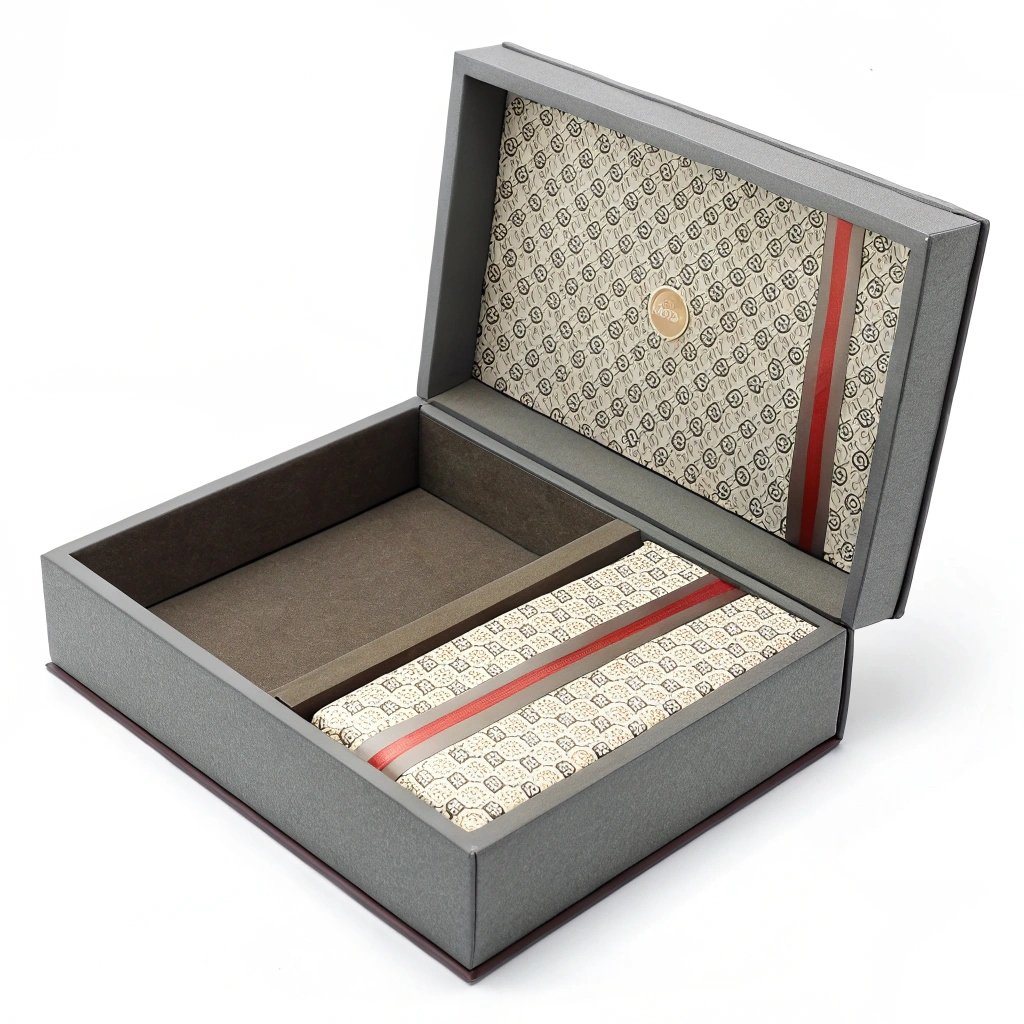
Let’s break it down further. The core of a rigid box is the greyboard, which is a type of chipboard made from recycled paper. Its thickness is what gives the box its strength and "rigid" quality. It doesn’t fold or collapse like a standard cardboard box. Then, we have the outer wrap. This is where the magic happens for branding. I’ve worked with clients using everything from simple printed art paper to luxurious specialty papers with textures like linen, leather, or soft-touch finishes.
The construction method is also key. The greyboard is cut and scored, then its corners are assembled to form the box shape. The wrap paper is then carefully glued and laminated over this structure. This process creates sharp, clean edges and a seamless finish. There are several common styles, each with its own purpose.
| Box Style | Description | Best For |
|---|---|---|
| Two-Piece | A separate lid that fits over a base. Also called a lid-and-base box. | Gift sets, electronics, apparel. |
| Drawer Box | A sleeve with a box that slides out like a drawer. | Jewelry, small electronics, cosmetics. |
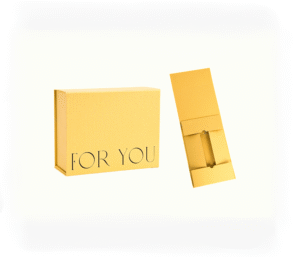
| Book-Style Box | Hinged on one side to open like a book. Often has a magnetic closure. | Luxury kits, press kits, special editions. |
| Collapsible Box | Ships flat and is assembled with magnets or adhesive strips. | E-commerce, saving on shipping costs. |
A client of mine in the artisanal food business wanted to enter a premium market. We chose a book-style rigid box for her chocolate collection. The magnetic snap closure provided a satisfying "click" that made opening the box feel like unveiling a treasure. That small detail transformed her product from just candy into a luxury gift experience.
What are the advantages of rigid boxes?
You want your product to stand out and feel valuable. Plain packaging gets lost on the shelf and in the mail. You need a solution that communicates quality and protects your product effectively.
Rigid boxes offer superior product protection due to their strong build. They also greatly enhance brand perception with a premium look, offer high customization options for a unique design, and create a memorable unboxing experience for the customer.
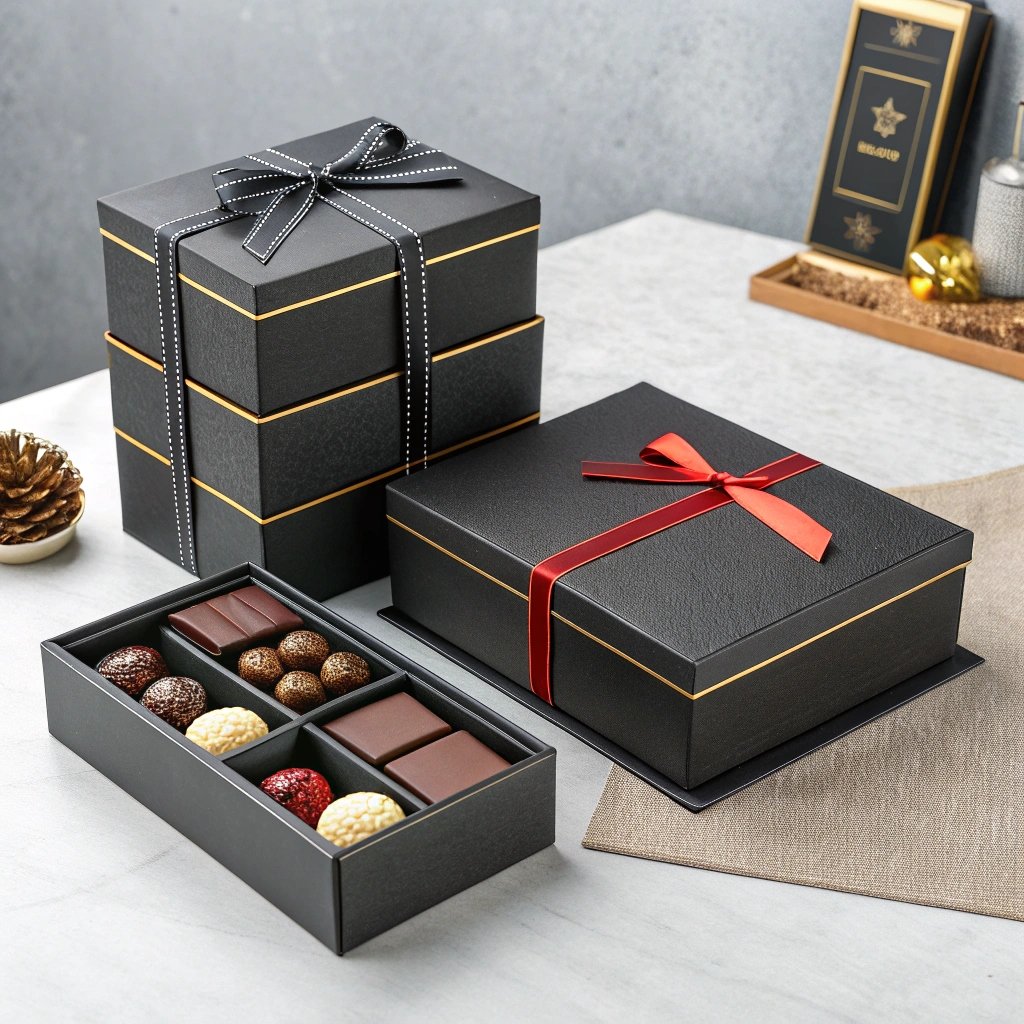
The benefits of using rigid boxes are significant, and I see them transform my clients’ businesses time and again. The first, and most obvious, is brand elevation. A heavy, well-constructed box immediately signals a high-quality product inside. This perceived value allows brands to position themselves in a more premium segment of the market. For one of my cosmetics clients, switching to rigid boxes for their skincare kits led to a noticeable increase in social media shares from customers showing off the packaging.
Next is protection. I once worked with an electronics exporter whose product damage rate during shipping was nearly 15%. This was a huge cost. We designed a custom rigid box with a specific foam insert. The damage rate dropped to less than 1%. The rigid structure simply doesn’t get crushed easily, making it ideal for fragile or high-value items.
The unboxing experience is another huge win. A rigid box isn’t just torn open; it’s opened with a sense of ceremony. The satisfying slide of a drawer box or the lift of a snug lid creates a memorable moment. This positive feeling becomes associated with your brand.
Finally, these boxes are often reused by customers. I’ve heard stories of my clients’ boxes being used for storing jewelry, keepsakes, or office supplies. This means your brand stays in your customer’s home long after the product is gone, acting as a constant, subtle advertisement. It’s a powerful form of marketing that you just don’t get with a disposable box.
What are the disadvantages of rigid boxes?
You are sold on the premium feel of rigid boxes. But you worry about the cost and logistics. Are they too expensive or difficult to ship for your business? This is a valid concern.
The main disadvantages of rigid boxes are their higher production cost compared to folding cartons, larger shipping volume as most don’t ship flat, and longer production lead times. Their composite materials can also make recycling more complex.
I believe in being transparent with my clients, and we must talk about the downsides. The most significant factor is cost. Producing a rigid box is a more labor-intensive process involving more materials than a simple folding carton. The unit price is higher. However, I always ask my clients to weigh this against the potential increase in perceived value and the reduction in product damage. Often, the return on investment is well worth it.
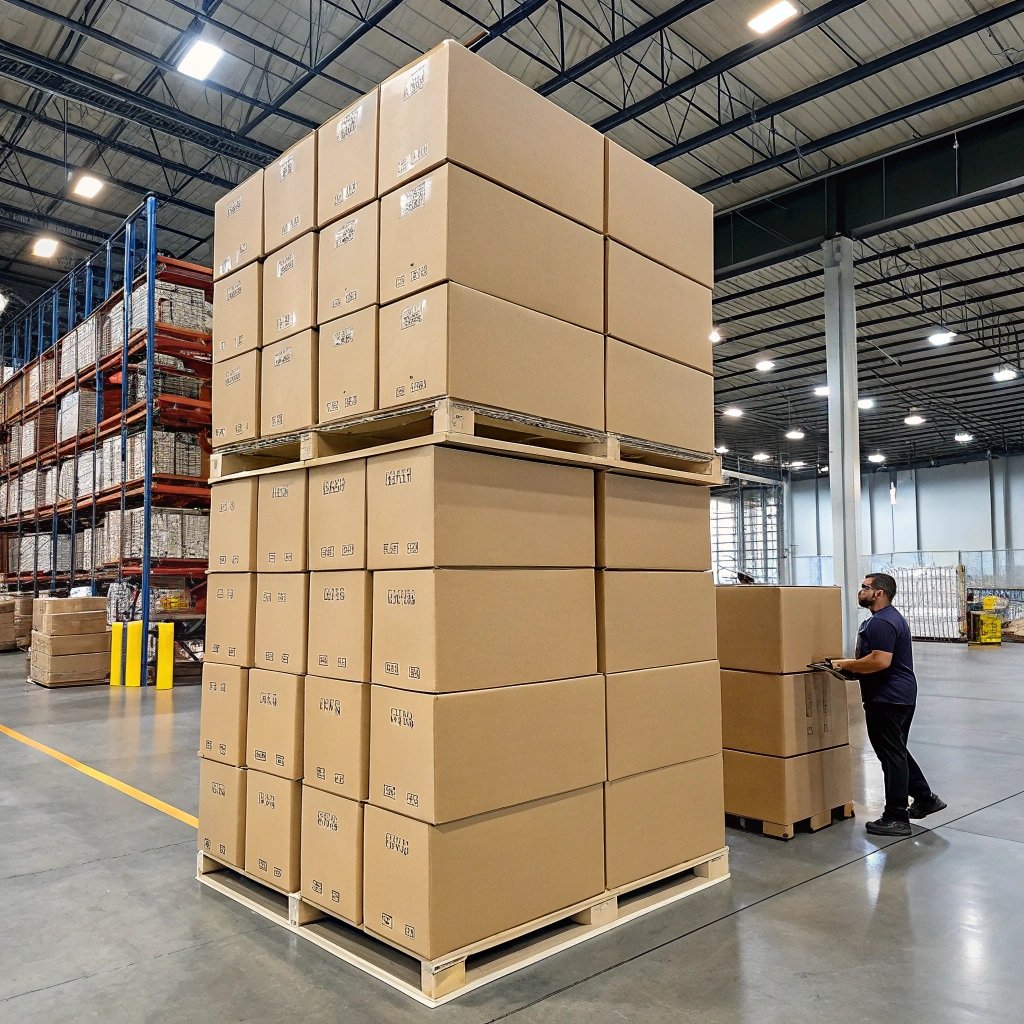
Next is shipping and storage. Most traditional rigid boxes are pre-assembled and don’t fold down. This means they take up a lot of space during shipping from my factory to your warehouse, and also in your storage space. This increases freight costs. For my e-commerce clients, this can be a major hurdle. However, there is a great solution: collapsible magnetic rigid boxes. They ship flat to save money and are easily assembled, combining the best of both worlds.
The production timeline is also longer. The multi-step process of cutting the board, wrapping it, and letting the glue set takes more time than producing a folding carton. You need to plan for this longer lead time in your product launch schedule. Finally, recyclability can be a concern for brands focused on sustainability. Since rigid boxes are made of paperboard and paper, they are recyclable. But additions like magnets or ribbons may need to be removed first, which can be a barrier for consumers. We always discuss material choices, like using eco-friendly papers and soy-based inks, to mitigate this.
What are the benefits of custom two piece rigid boxes?
You need a classic, reliable, and impressive packaging solution. With so many styles, choosing can be overwhelming. You want a box that is both high-quality and cost-effective.
The custom two-piece rigid box, also known as a lid-and-base box, is popular for its timeless design, structural integrity, and excellent cost-performance ratio. Its simple construction is versatile for various products and creates a classic unboxing reveal.
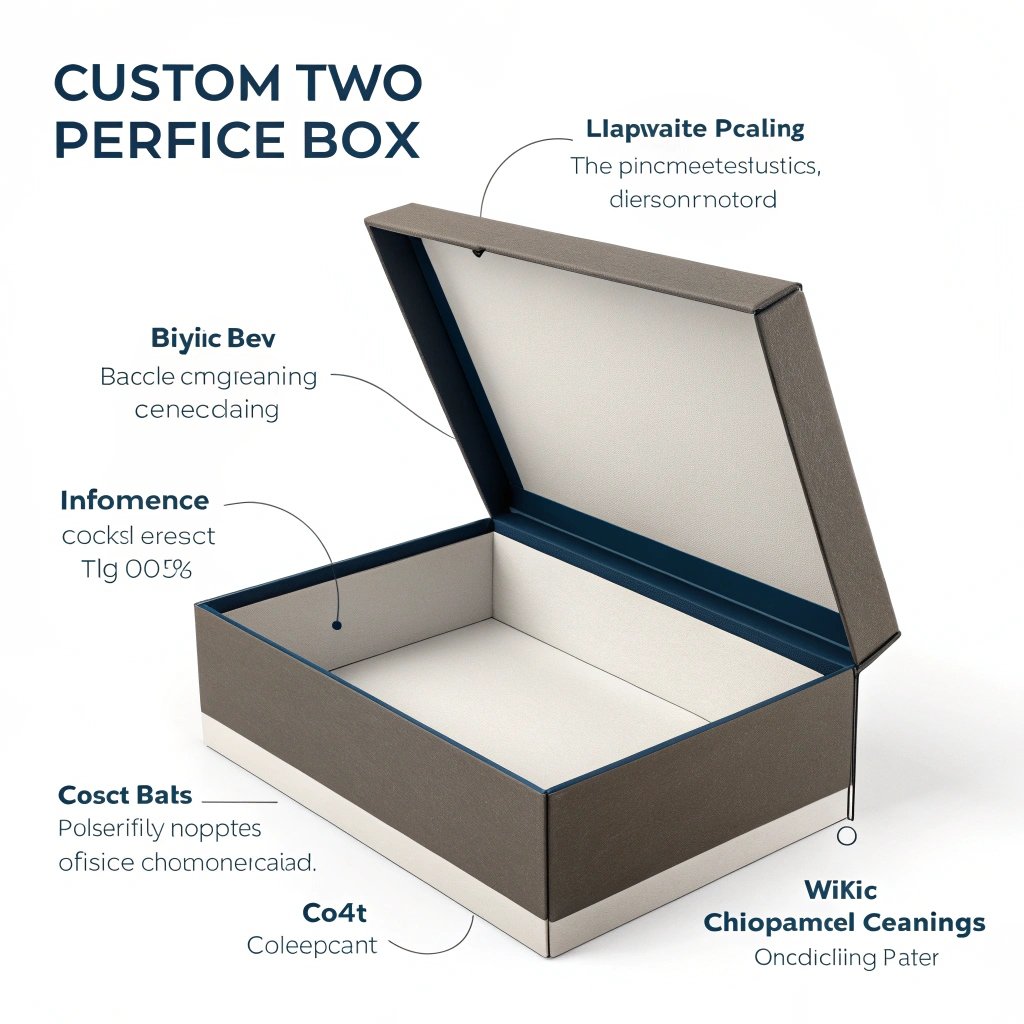
When clients are unsure where to start with rigid boxes, I often recommend the two-piece style. It’s the quintessential luxury box that people immediately recognize, think of the iconic iPhone box. Its simplicity is its greatest strength. The design consists of a base tray and a lid that fits over it. This straightforward construction makes it one of the more cost-effective rigid box styles to produce, offering a fantastic entry point into premium packaging.
The unboxing experience is phenomenal. The friction and air pressure created when slowly lifting a well-made lid creates a moment of anticipation that is hard to replicate. I worked with a spirits brand that used a full-cover lid on their gift boxes. The slow reveal as the customer lifted the lid built excitement and made the bottle inside seem even more special. This "sense of ceremony" is a powerful emotional tool for a brand.
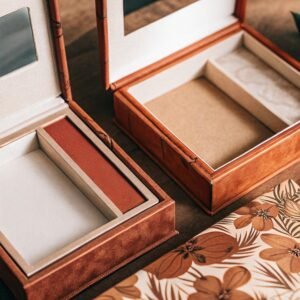
From a practical standpoint, this style is incredibly versatile. It works for almost any product, from clothing and shoes to candles and electronics. It’s also a perfect canvas for customization. You can apply any finish, from foil stamping to embossing, to both the lid and the base. Custom inserts made from foam, paperboard, or fabric can be easily designed to fit snugly inside the base, securing the product perfectly. Its strength also provides excellent protection. The two-piece rigid box is a true workhorse, delivering on looks, function, and value.
Conclusion
In conclusion, rigid boxes offer unmatched brand elevation and protection. While they have some cost and logistic considerations, their benefits in creating a premium customer experience often provide a strong return.