www.winnerspacking.com

Tel:0086+18067791567

rachel@winnerspacking.com

What Are the Benefits of Custom Magnetic Closure Boxes?

Your packaging gets thrown away just moments after opening. This means you lose a huge opportunity to make a lasting impression, turning your investment into trash.

Custom magnetic closure box1es elevate your brand with a premium feel and satisfying ‘snap’ closure. They are highly durable and reusable, turning simple packaging into a keepsake that keeps your brand visible and strengthens the customer’s unboxing experience long after the sale.
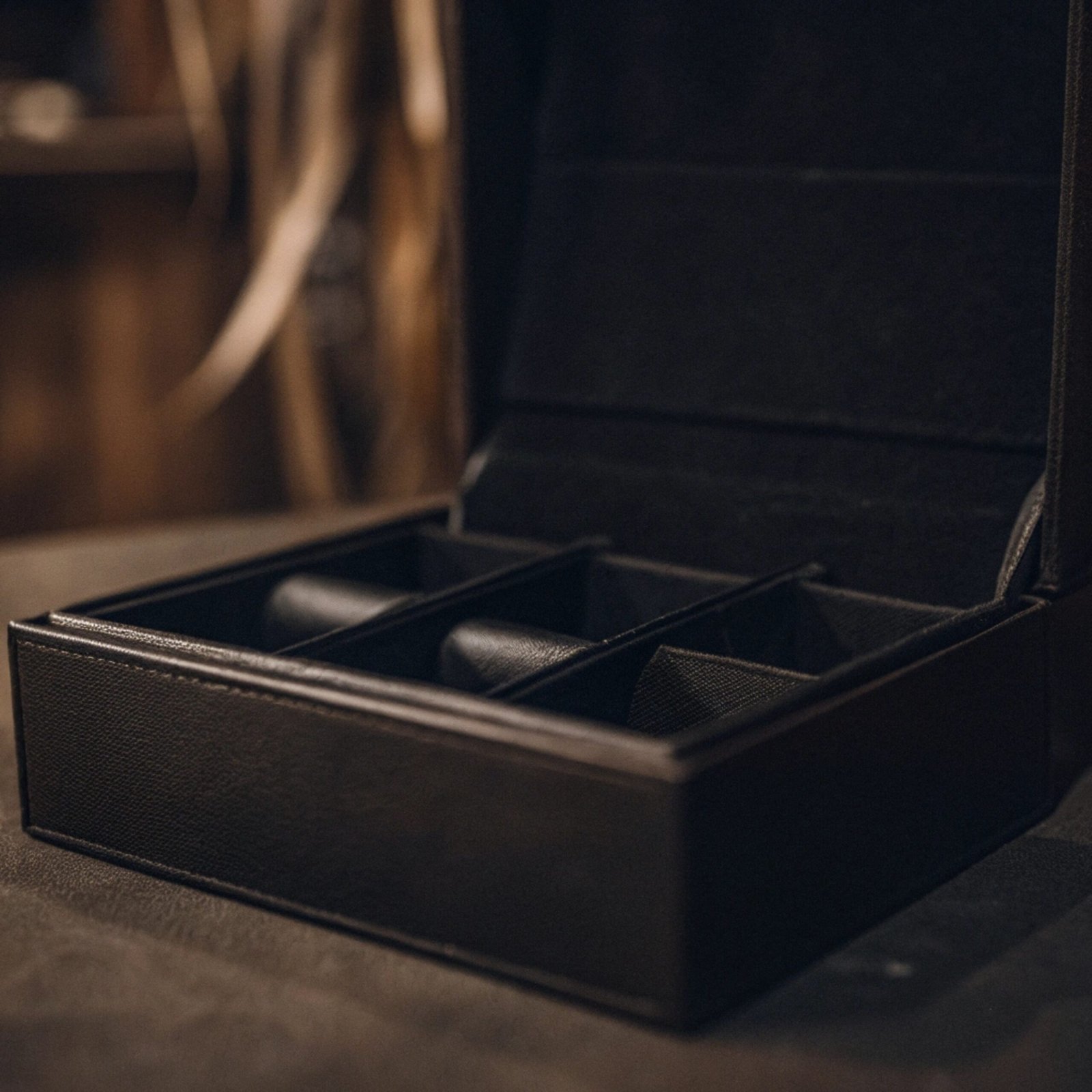
A luxurious black magnetic closure box opening to reveal a product inside

I recently got an email from a client in Germany. He attached a faded photo of a magnetic box we made for him back in 2017. The box was still on his daughter’s dressing table, and he mentioned that the lid still opened and closed as smoothly as it did on day one. He wrote, "This box has watched my daughter Lisa grow from a girl into a bride over seven years. Every time I hear that familiar ‘click,’ it feels like a promise of protection that never changes." That story gets to the true value of a magnetic box. It uses simple engineering to create a warm feeling and holds memories in its details. In a world of disposable products, packaging that someone cherishes for years is the best statement of quality you can make.

What exactly is a magnetic closure box?

You have seen these elegant boxes but might not know the term. This makes it hard to find them or explain why you want them for your product. It’s a box that feels different.

A magnetic closure box, or magnet box, is a type of rigid gift box with small, powerful magnets hidden inside the lid and front wall. These magnets create a secure, satisfying snapping sound and feel when the box is closed, offering a premium experience without needing ribbons or latches.

A diagram showing the hidden magnets in the wall of a rigid box

The magic is in the construction. These aren’t your typical folding cartons. They are built around a sturdy core, which gives them their rigid shape and protective qualities. The design is both elegant and clever.

The Anatomy of a Magnetic Box

The core of the box is made from thick, non-bending paperboard, often called greyboard. This structure is then wrapped in a paper of your choice, which can be printed with your designs and branding. The most important part is the set of small, neodymium magnets2. We carefully embed these magnets into the board of the lid flap and the front wall of the box base. When the lid comes down, the magnets attract each other, pulling the box shut with a crisp, audible "snap." This sensory feedback—the sound and the feel—is a huge part of what makes the unboxing experience feel so luxurious and high-end. Many of these boxes are also designed to be shipped flat for my clients, which dramatically reduces shipping costs and storage space before they are assembled.

How durable are magnetic boxes?

You worry that investing in premium packaging is a waste if it breaks. A flimsy luxury box can damage your product and your brand’s reputation for quality. These boxes are built to prevent that.

Magnetic boxes are extremely durable. Their construction uses thick, rigid paperboard that resists crushing and bending. The permanent magnets are designed for thousands of open-and-close cycles, ensuring the closure mechanism works perfectly for years, making them ideal for reuse.

A magnetic box being used as a storage box on a shelf, showing its longevity

When my German client told me about his daughter’s seven-year-old box, it wasn’t a surprise. We design them for that kind of longevity. The durability comes from materials and precision engineering working together. The rigid board we use is typically between 1.5mm and 3mm thick, much stronger than the paperboard used for a standard folding carton. This strength is why people keep them. They feel valuable and useful. The box becomes a storage case for jewelry, documents, or other keepsakes.

Built to Last: More Than Just a Box

The box on that bride’s dressing table wasn’t an accident; it was the result of specific quality choices. Here’s what makes them so tough:

Component Our Quality Standard Result for You
Structure High-density rigid board (min. 2mm) Resists crushing during shipping
Magnets N35 Grade Neodymium Magnets Secure closure for 5,000+ cycles
Wrap Anti-scuff laminate finish Protects branding from wear and tear
Assembly Machine-calibrated magnet placement Ensures a perfect, crisp snap every time

This focus on durability directly transforms a packaging expense into a long-term marketing asset. Every time your customer reuses the box, they are reminded of your brand and the quality you stand for.

Can I customize magnetic gift boxes?

You want packaging that represents your unique brand, not a generic solution. An ordinary-looking box can make your premium product feel less special and not worth the price.

Yes, magnetic boxes are fully customizable. This is one of their greatest strengths. You can specify the exact size, print any color or design, and add special finishes like foil stamping. You can also customize the inside with inserts to hold your product perfectly.
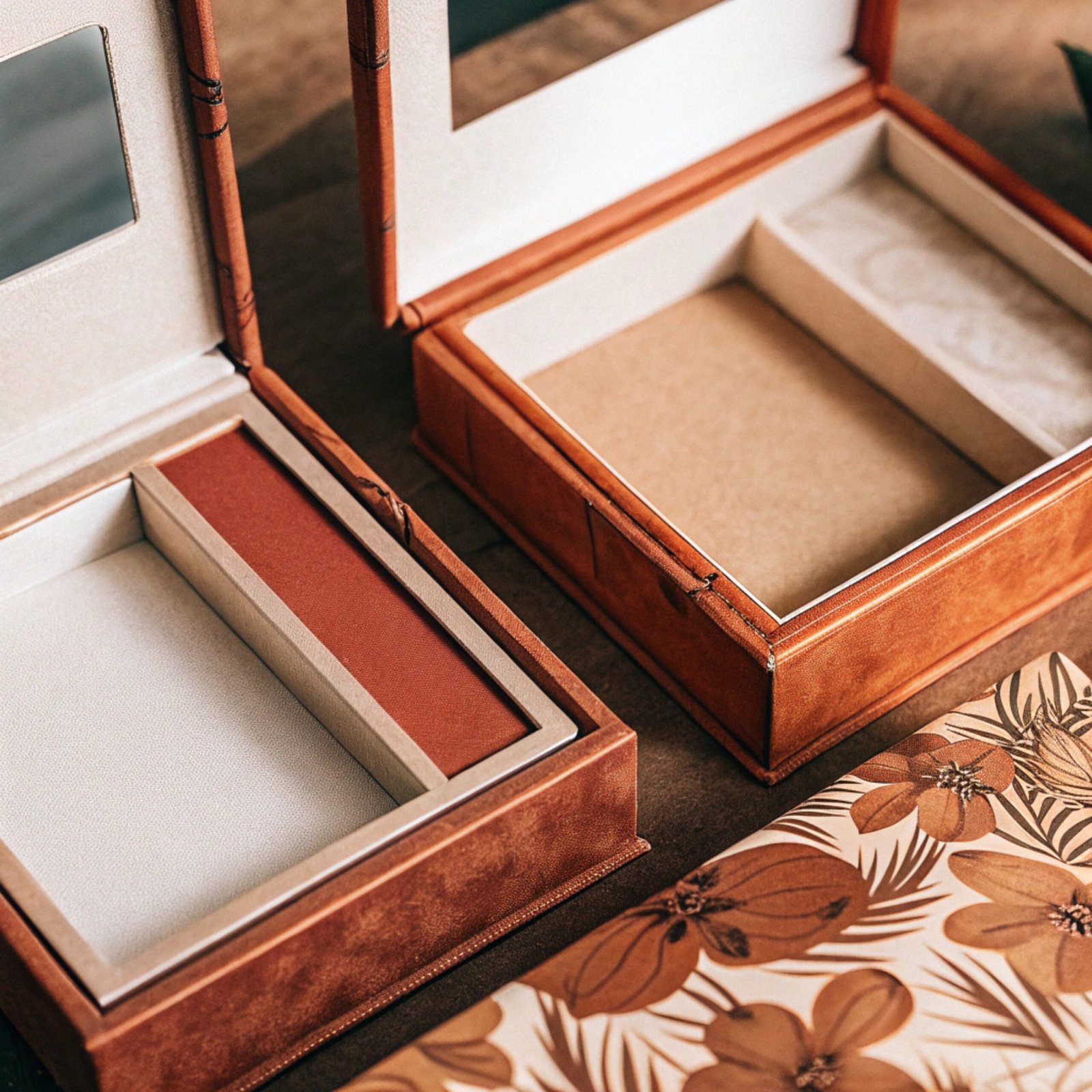
A collage of different custom magnetic boxes with various finishes like foil, spot UV, and embossing

A magnetic box starts as a blank canvas waiting for your brand’s story. For a purchasing manager like Anne, the ability to control every detail is critical to matching the packaging to her brand’s high standards in the US and EU markets. Customization is how we turn a simple box into a powerful brand statement. The options go far beyond just printing a logo. You are in control of the entire sensory experience, from the texture of the paper to the way your product is presented inside. This control allows you to create packaging that feels like a natural extension of the product itself.

Your Brand’s Story, Made Tangible

We can adjust almost every aspect of the box to align with your brand identity and product needs.

Customization Area Popular Options Impact on Brand
Exterior Finish Matte/Gloss Lamination, Soft-Touch, Linen Texture Creates a specific tactile feel (e.g., modern, classic)
Branding Foil Stamping, Embossing/Debossing, Spot UV Highlights your logo with a luxury look and texture
Interior Custom Color Printing, Printed Messages Continues the brand experience inside the box
Product Fit Custom Foam, Paperboard, or Fabric Inserts Secures product perfectly and presents it beautifully

These details work together to increase the perceived value of your product. When a customer receives a box that is so well-crafted, they inherently trust that the product inside is of equally high quality. This justifies a premium price point and builds strong brand loyalty.

Conclusion

Magnetic closure boxes are much more than just a container. They are a durable, fully customizable, and memorable experience that builds lasting brand value and turns customers into lifelong fans.

  1. Get insights into the unique features and benefits of magnetic closure boxes for products. 

  2. Learn about the role of neodymium magnets in creating secure and functional packaging solutions. 

How Much Does a Cardboard Box Cost?

Are you getting quotes for boxes that are all over the place? It’s frustrating and makes you wonder what the real price should be. This confusion can lead to costly mistakes.

A cardboard box can cost anywhere from a few cents to hundreds of dollars. The final price is not just about the cardboard itself. It depends heavily on the design complexity, printing, finish, order quantity, and the hidden quality controls that prevent costly problems down the line.

A stack of different sized cardboard boxes with a price tag on one

Trying to pin down a single price for a "cardboard box" is like asking for the price of a "car." It’s impossible without more details. A simple shipping box has a very different job, and price, than a luxury gift box for a high-end spirit. The key is to stop looking for a low price and start a conversation about creating value. Back in 2009, I was just starting out and joined a bid. The client sent the exact same design to five suppliers. The quotes came back ranging from $0.12 to $0.35 per box. After we won the contract, the client told me, "I didn’t pick the cheapest price. I picked the only company that explained exactly where every penny went." That has been my guiding principle for over 15 years. Transparency is the only way to find true value. Let’s break down what really goes into the price of your box.

What is the average price of a box?

You see prices move from $0.50 to $50 and wonder what a fair price is. Choosing wrong can hurt your budget or your brand. The price simply reflects what the box is meant to do.

There is no useful "average price." A basic mailer might cost under a dollar, while a custom-printed cosmetic box could be several dollars. Instead of averages, focus on the value your box must deliver, as this directly determines its features and, therefore, its cost.

A line graph showing box costs increasing with complexity and features

I often explain box pricing with my "Iceberg Theory1." The 10% you see above the water is the visible cost: the paper, the ink. But the 90% below the water is where the real value—and potential risks—are hidden. This is the difference between a simple cost and a long-term investment. Just last year, a brand chose a supplier because their box was $0.03 cheaper. That tiny saving resulted in over $65,000 in damage claims when the boxes failed during shipping. The hidden costs are always more expensive.

To make this clear, think about the different jobs a box can do. I keep a few examples in my office to show clients.

Box Type Typical Cost Range (USD) Primary Purpose
Basic Shipper $0.20 – $1.50 Product Protection
E-commerce Mailer $0.80 – $4.00 Unboxing Experience
Retail / Gift Box $3.00 – $30.00 Brand Value & Social Sharing
Collector’s Edition $30.00 – $300.00+ Emotional & Memorabilia Value

A tea company I worked with is a perfect case study. They increased their packaging cost2 from $0.15 to $1.20 per box. Their unit cost went up, but their customer repurchase rate jumped by 42%. Why? Because customers started reusing the beautiful boxes as secondary gifts, keeping the brand in front of new people. The box became a marketing asset, not just an expense.

What is the average cost of cardboard?

You’re trying to set a budget, but raw material costs seem to change without warning. This makes planning difficult and risky. You can time your purchases better by understanding the market’s seasonal rhythm.

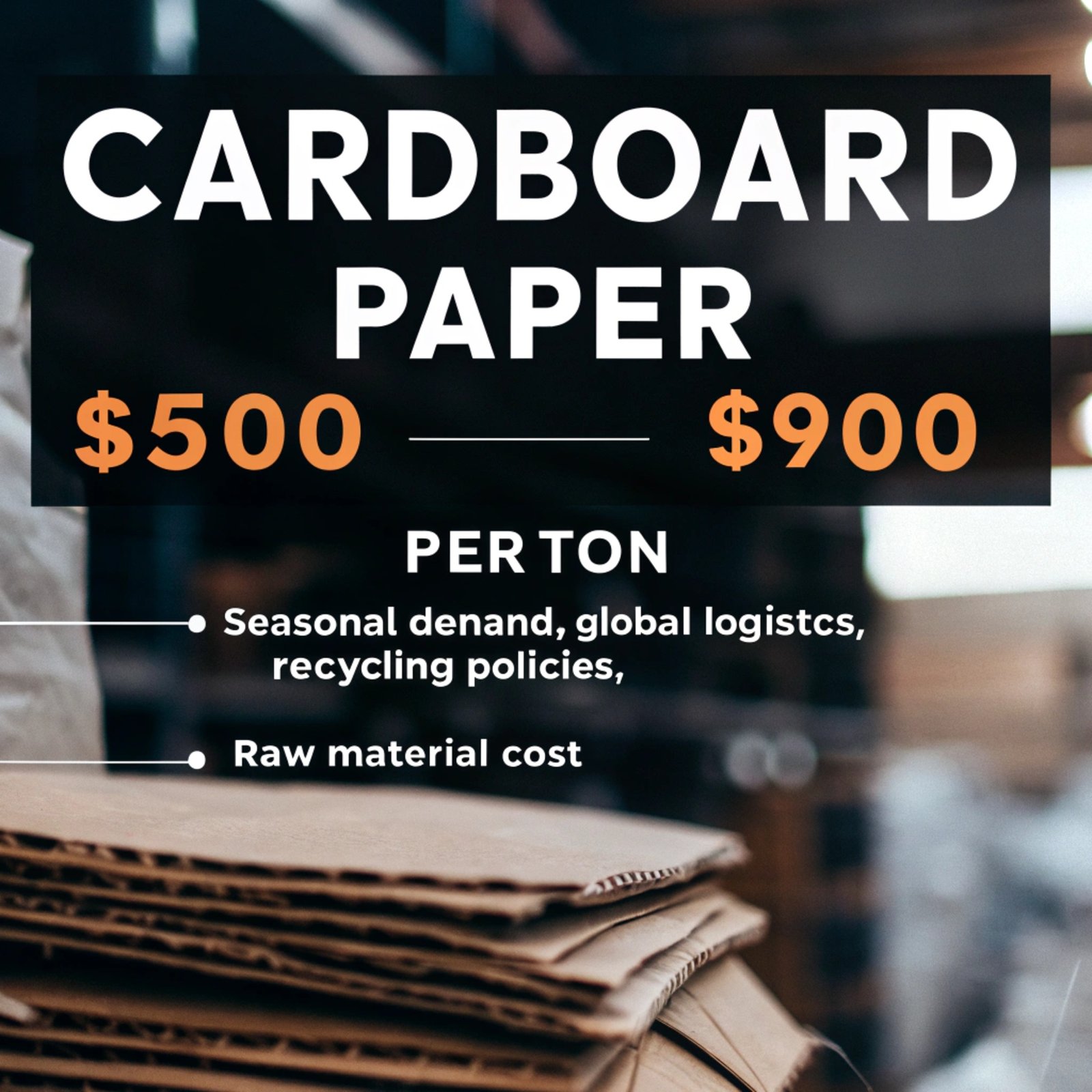
The raw cost of cardboard paper fluctuates widely, from around $500 to over $900 per ton. This price depends on seasonal demand, global logistics, and recycling policies. This raw material cost is a major, but not the only, factor in your final box price.

A simple bar chart showing cardboard price fluctuations over four seasons

My mentor used to talk about "paper industry weather." He taught me to see the patterns in the market. Understanding this rhythm helps my clients save a lot of money.

The Four Seasons of Paper Pricing

  • Spring (Mar-May): Prices start to rise. Back-to-school and mid-year sales events increase demand for packaging.
  • Summer (Jun-Aug): Costs often climb. Rainy seasons can impact the collection and quality of recycled paper, tightening supply.
  • Fall (Sep-Nov): This is the peak. Holiday season preparations create a massive demand surge, and prices hit their highest point.
  • Winter (Dec-Feb): Prices often soften. Factory production slows for holidays, creating the best window for negotiation and stocking up.

In 2021, I saw the signs of a major price hike coming. I advised a large e-commerce client to purchase their full year’s supply of paper in January. It tied up some cash, but they avoided a massive 38% price increase that hit the market a few months later. When they did the math, that one piece of advice had saved them over $300,000. It’s not just about buying paper; it’s about buying paper smartly. We also actively find ways to lower costs without sacrificing quality, using structural design to increase material utilization from 78% to over 90% or using new techniques to make thinner paper just as strong.

Conclusion

The best price is never just the lowest number. It is the cost that delivers the most value and security for your brand over its entire lifecycle. A true partner helps you find that value.


  1. Learn about the Iceberg Theory and how it reveals hidden costs in packaging. 

  2. Discover how investing in quality packaging can lead to better customer retention and brand loyalty. 

What are the most inspiring folding packaging and designing ideas?

Your product’s packaging feels like a missed opportunity. It’s just a container, failing to engage customers or reflect your brand’s innovation. This can hurt sales and brand perception.

The most inspiring folding packaging ideas transform a simple box into a strategic tool. Clever structural designs create unique unboxing experiences, add security features, and even become in-store displays. These designs blend cost-effectiveness with creativity, turning your packaging into a powerful brand asset.

A collection of innovative and inspiring folding carton designs on a clean background

I’ll never forget a moment in 2015 when I visited a century-old confectionery shop in Tokyo. I was mesmerized watching the master package sweets. With a few precise folds, a simple sheet of paper became a beautiful vessel of culture. He told me, "The highest level of folding is to make the packaging part of the product." That one sentence completely changed my understanding of folding packaging. It’s not just about creating a box; it’s about folding intelligence into every crease. Let’s explore how this philosophy can revolutionize your packaging.

What is the difference between a folding carton and a rigid box?

Choosing between box types is confusing. Making the wrong choice can waste money, compromise your product’s safety, and send the wrong message to your customers.

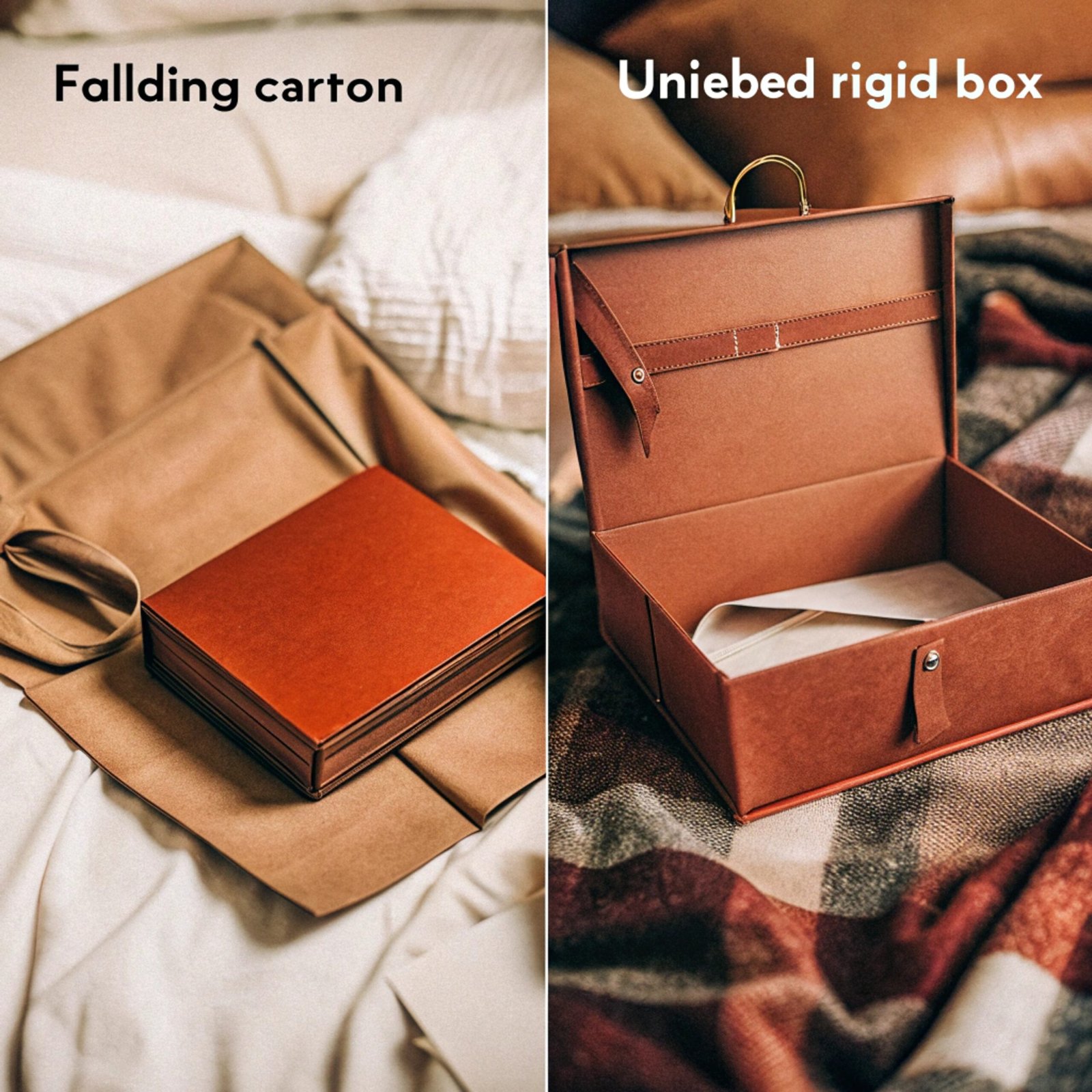
A folding carton1 is made from a single piece of paperboard, shipped flat, and assembled by you or your co-packer. A rigid box is a thicker, pre-assembled box that doesn’t collapse. Folding cartons are versatile and cost-effective, while rigid boxes offer a premium feel.

A side-by-side comparison showing a flat folding carton and an assembled rigid box

I often use an analogy to explain the difference to my clients. A rigid box is like a grand cathedral—majestic, built to last, and crafted with great care. A folding carton is like a masterfully designed garden—it creates endless possibilities in a limited space, full of life and cleverness. This "philosophical difference" impacts everything from design to cost.

Design Philosophy

A rigid box is built with an "architectural mindset." You build the strong frame first, then you decorate it. It’s about creating a solid, imposing structure. A folding carton uses an "origami mindset." All the structure, folds, and functions are pre-planned on a flat surface before being brought to life. It’s about efficiency and transformation.

User Experience

The experience each box provides is different. A rigid box is perfect for a "slow opening ceremony," like unboxing a luxury watch or a high-end smartphone. It creates a sense of anticipation and value. A folding carton excels in "fast-paced scenarios." Think about e-commerce shipping or retail shelves, where efficiency, stackability, and quick access are key.

Cost Structure

The cost breakdown reveals a key secret. For one of my tea clients, we analyzed their costs and found a pattern.

Box Type Material Cost Processing Cost Best For
Rigid Box ~52% ~48% Premium, low-volume
Folding Carton ~32% ~68% Mass production, automation

This data clearly shows why folding cartons are the champion for large-scale, standardized production. The main cost is in the high-speed processing, not the raw material itself.

How big is the folding carton packaging market?

You might think folding cartons are just a basic, low-end option. But this view can make you miss out on a massive and innovative market. This is a huge industry.

The global folding carton market is a powerhouse, valued at around $140 billion and growing steadily at 4.2% annually. Key growth sectors include pharmaceuticals and e-commerce, which saw over 12% growth last year. It is a market defined by scale and continuous innovation.

A dynamic chart showing the growth of the global folding carton market

Folding cartons are the "invisible champions" of the packaging world. Their market size and potential are enormous, and they are powered by strong, reliable trends. The scale of this market is impressive and continues to expand faster than the general economy.

A Stable Foundation

The global market was approximately $140 billion in 2023. Its stable annual growth rate of 4.2% is higher than the GDP growth of many developed countries. This shows a consistent, reliable demand for folding cartons across many industries, including food, cosmetics, and consumer goods. This isn’t a fad; it’s a foundational part of global commerce.

New Growth Engines

Certain sectors are pushing growth even faster.

  • Pharmaceutical Packaging: Growing at 7.8% annually, driven by an aging global population and the need for secure, informative packaging.
  • E-commerce Packaging: Exploding with 12.3% annual growth. The rise of social commerce and livestream selling has created huge demand for shippable, brandable, and efficient boxes.

The China Manufacturing Advantage

I personally managed a project where a European luxury brand moved their folding carton orders to us in China. The results went far beyond just cost savings. They not only reduced their packaging costs by 35%, but they also achieved:

  • A 7-day sampling and prototyping cycle, compared to 21 days in Europe.
  • PANTONE color consistency with a Delta E value under 1.5, which is far stricter than the international standard of Delta E < 3. This proves that high efficiency and superior quality can go hand-in-hand.

What is the process of making folding cartons?

A simple box seems easy to make. But underestimating the complexity of the manufacturing process can lead to poor quality, delays, and unexpected costs that disrupt your launch schedule.

Making a folding carton is a high-tech process. It begins with a structural engineer creating a blueprint in CAD software. This file guides automated prepress, printing, and finishing machines that print, cut, fold, and glue the box into its final shape at high speed.

An infographic illustrating the folding carton manufacturing process from design to finished product

Our production line works like a precision orchestra, where every section must perform perfectly for the final product to succeed. I am most proud of a project where we designed a micro-folding structure for a vaccine insert. We managed to compress a full A4-sized page of information into a box the size of a postcard, and it was still perfectly readable. This is the magic that happens when engineering and design work together.

1. Design & Pre-press (The Composition)

This is where the music is written. Our structural engineers use CAD software to design the box, focusing on details as small as 0.1mm. We run simulations to test stacking strength; for one client, our honeycomb-inspired internal structure increased load-bearing capacity by 40%. The design then goes to CTP (Computer-to-Plate) production, creating printing plates with dot precision from 1% to 99%. Our ink lab mixes custom inks to achieve a 98% match for special brand colors.

2. Printing & Finishing (The Performance)

This is the live show. The paperboard runs through our 6-color UV printing presses, which increase color saturation by 30% compared to conventional presses. Special finishes like hot stamping or embossing are then applied inline. Our machines can apply foil with an accuracy of ±0.15mm, ensuring a perfect look on every single box.

3. Die-cutting & Gluing (The Finale)

After printing, the sheets go to the automatic die-cutting machines. The die, a sharp "cookie cutter" for paper, is so durable it can make up to 1 million cuts before needing replacement. Finally, robotic arms fold and glue the boxes at incredible speeds. A single machine in our facility can finish over 50,000 boxes per day. This is how we ensure consistency and meet tight deadlines for our clients.

What are some innovative structures for folding cartons?

Your box just holds the product. But this is a wasted opportunity. A standard box does nothing to enhance security, improve the customer experience, or make your brand stand out.

Innovative structures2 transform a simple carton into a multi-functional tool. Examples include anti-theft designs3 with integrated tear strips, cartons that unfold into retail displays, and clever easy-carry solutions for food service. These smart designs solve real-world problems for your business.

Examples of folding cartons with innovative structural designs like pop-up inserts and anti-theft locks

I keep a collection of clever box designs in my office. They remind me that with a little "space magic," a small change in structure can make a huge difference. These innovations helped one of our clients reduce customer complaints related to packaging by 62%. True innovation in packaging is about solving problems and creating value.

Anti-Theft and Security Structures

For a high-end electronics client, we designed a "single-form anti-theft box." It included a special tear-strip that provided visual evidence of tampering if opened. It also had hidden locking tabs that made it nearly impossible for someone to swap out the product inside the box without completely destroying the packaging. This gave our client peace of mind and protected their revenue.

In-Store Display Structures

A cosmetics brand wanted packaging that would stand out on a crowded shelf. We developed a "self-erecting display box." When the lid is opened, an internal platform automatically lifts and presents the product at a perfect angle. This created a mini-theater on the shelf, grabbing customer attention and saving precious counter space for retailers.

Sustainable and Smart Structures

The future of folding cartons is green and intelligent. We are increasingly using water-based coatings that allow the box to biodegrade in 6 months instead of 200 years. We also design glueless structures that assemble with clever locking tabs, eliminating adhesives entirely. For an auto parts client, we even designed a box that could be refolded into a reusable toolbox, with the internal cushioning becoming workshop padding. This innovative structural designs4 helped them achieve a 91% packaging recycling/reuse rate.

Conclusion

Folding cartons are more than just containers. They are a strategic tool for branding, efficiency, and customer delight, blending the art of design with the precision of engineering.


  1. Get insights into the production and benefits of using folding cartons for packaging. 

  2. Explore innovative packaging structures that enhance functionality and appeal. 

  3. Learn how anti-theft designs can protect products and enhance customer trust. 

  4. Learn how innovative structural designs can transform packaging into a powerful marketing tool. 

Request a Free Quote

Send us a message if you have any 

questions or request a quote. We will be back to you ASAP!

Ask For A Quick Quote

We will contact you within 1 working day