How do you create a memorable unboxing experience?
Struggling to make your brand stand out? Your packaging feels like a throwaway item, failing to connect with customers and create a lasting impression.
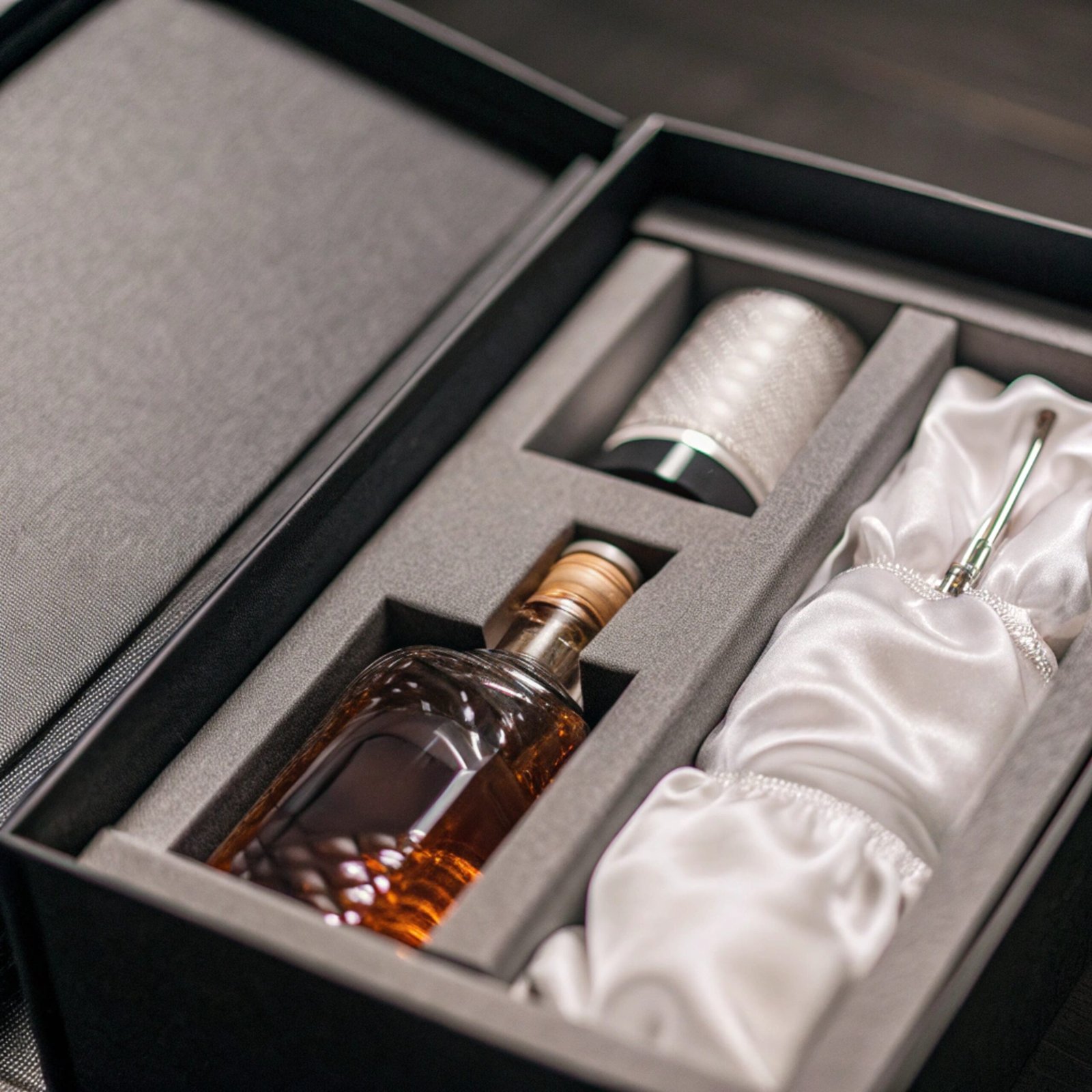
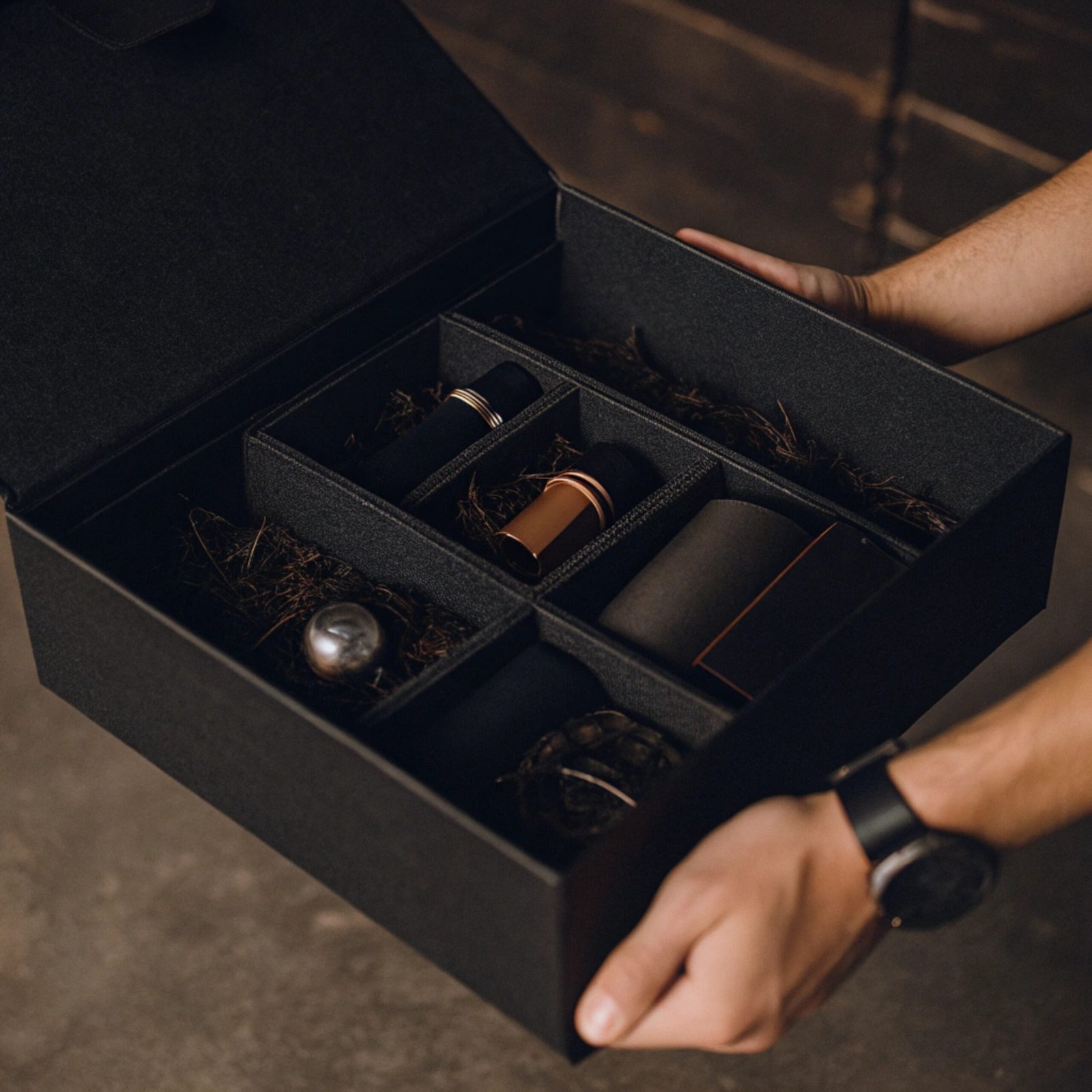
A custom rigid box creates an unforgettable experience by engaging multiple senses. It uses tactile materials, satisfying sounds, and a structured reveal to transform a simple opening into a shareable brand story and powerful marketing moment.
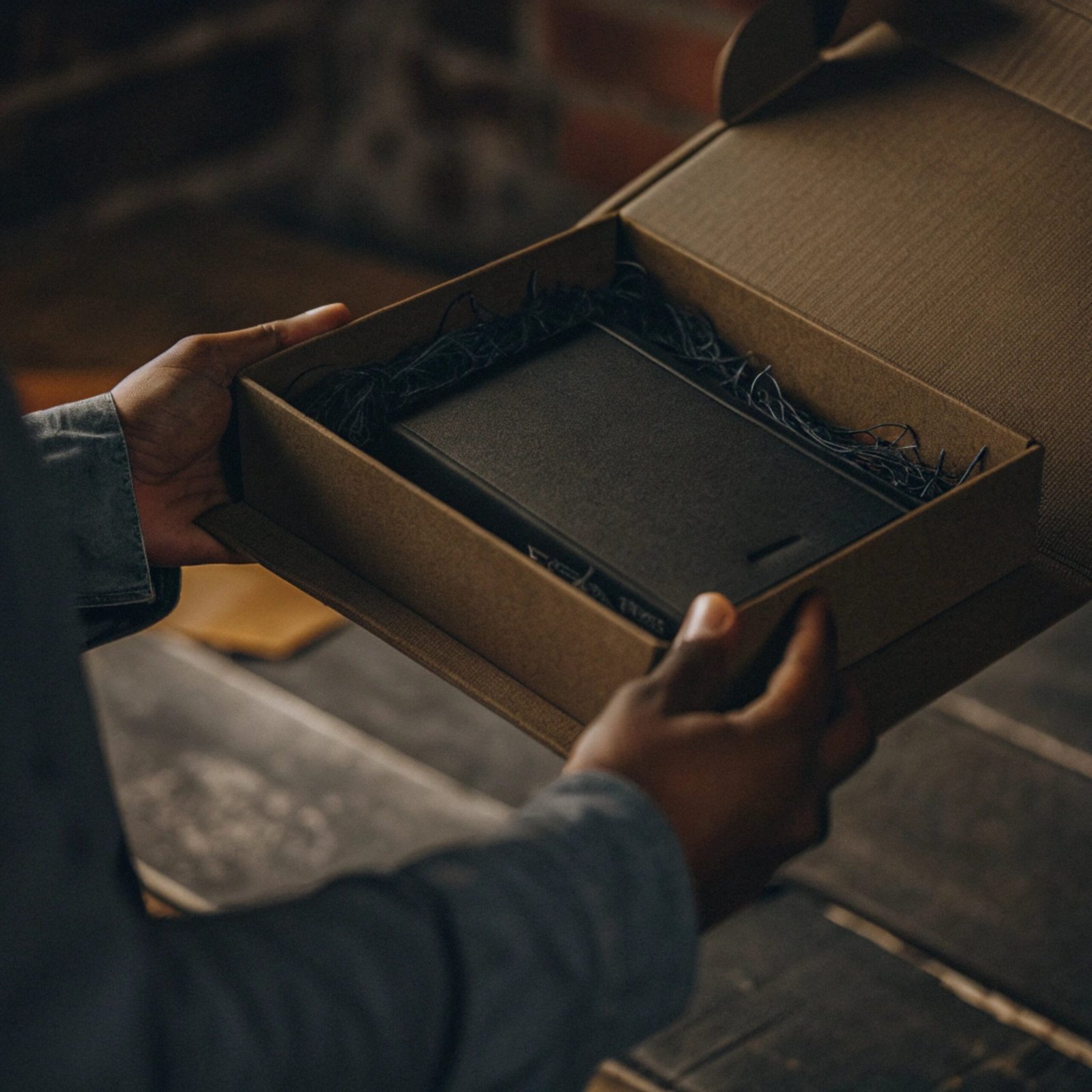
It’s about more than just a box. I once worked with a client creating bespoke mechanical watches. A year after we designed their packaging, I received an email from one of their customers. He had gifted his father a watch for his 70th birthday. He told me how his father, who rarely shows emotion, paused as he opened the box. The weight, the magnetic click, the way the watch was presented on a raised platform—it all commanded respect. His father looked up and simply said, "They don’t make things like this anymore." In that moment, the box wasn’t just a container; it was part of the gift, a symbol of quality and a memory they now share. This is the power we aim to create, turning a simple product delivery into a core part of your brand’s story.
How Do you Design an Emotional Unboxing Journey?
Your packaging looks good, but does it feel special? A plain box gets ignored, missing the chance to build an emotional connection and create brand loyalists.
Design an emotional journey by mapping it like a short film. Use high-quality materials for a great first touch, create suspense with layers, and build to a climax where the product is revealed spectacularly.
I encourage my team to think of the unboxing experience1 as a "heartbeat curve," a micro-movie with a clear beginning, middle, and end. We design the entire sequence to manage the customer’s emotions. We even conduct "blind tests" where participants experience the packaging without seeing it first, forcing us to perfect the non-visual cues.
The Five Senses Blueprint
To build this journey, we engage all five senses.
- Touch: The first impression starts with touch. We experiment with different papers to create a tactile memory. For a skincare line, we might use a soft, matte-finish paper that mimics the product’s texture. For a tech gadget, a sleek, anti-scratch coating feels more appropriate. The resistance of the lid, calibrated to a specific force, contributes to a feeling of quality.
- Sound: Sound is a subtle but powerful tool. The click of a magnetic closure is something we obsess over. We control the magnet’s strength and placement to tune the frequency of the sound, aiming for a satisfying tone in the 2,000-4,000 Hz range, which a person finds most pleasing.
- Sight: Visually, we create a rhythm. The design might use a dark exterior that gives way to a lighter interior, drawing the eye toward the product. We use techniques like micro-embossing to create subtle patterns of light and shadow that add depth and a premium feel.
- Smell: Scent can create a powerful memory anchor. For one fragrance brand, we infused the paper pulp with a subtle cedar essence. This created a unique "scent logo" that customers associated directly with the brand every time they opened the box.
| Sensory Element | Design Technique | Customer Emotion |
|---|---|---|
| Touch | Speciality paper (e.g., soft-touch) | Luxury, Quality |
| Sound | Tuned magnetic closure2 | Satisfaction, Security |
| Sight | Layered reveal, focused lighting | Suspense, Excitement |
| Smell | Scent-infused paper or ink | Memory, Brand Identity |
Why Is a Great Unboxing Experience Worth the Investment?
Worried about the higher cost of premium packaging? You see it as just another expense, not an asset, potentially losing out on powerful, low-cost marketing.
Investing in unboxing pays off significantly. It acts as a silent salesperson driving repeat purchases, becomes a mobile billboard when kept, and generates free user-generated content, ultimately lowering your customer acquisition costs.
Many of my clients, especially startup founders and cautious purchasing managers like Anne, ask me, "Is it really worth adding 20% to my packaging cost for the unboxing?" My answer is always backed by data. A great unboxing experience isn’t a cost; it’s a high-return investment.
The Silent Salesperson
Your packaging is the first, and sometimes only, physical interaction a customer has with your brand, especially in e-commerce. It speaks for you when you’re not there. Our data shows that 78% of consumers are more likely to make a repeat purchase from a brand that uses premium packaging. For one direct-to-consumer cosmetics client, we found that focusing on a high-quality unboxing experience helped lower their customer acquisition cost by over 30% because of the word-of-mouth it generated.
The Mobile Billboard
A cheap box gets thrown away. A beautiful, sturdy rigid box gets kept. Statistics show that over 40% of consumers will keep premium packaging for six months or longer. They use it for storage, for display, or simply because it feels too valuable to discard. Each retained box becomes a mini-advertisement in your customer’s home, seen by friends and family. A box on a shelf can generate dozens of impressions a month for free.
The Content Goldmine
In the age of social media, unboxing is a performance. An amazing experience practically begs to be shared. The resulting user-generated content (UGC) is marketing gold. One client, a niche beverage company, saw customer unboxing videos on TikTok get millions of views. This was equivalent to a massive advertising campaign they never had to pay for.
| Investment Benefit | Tangible Outcome |
|---|---|
| Drives Loyalty | 78% of customers more likely to re-purchase. |
| Lowers Ad Spend | Unboxing shares can reduce customer acquisition cost3 by 32%. |
| Creates Free UGC | Videos and posts provide free social proof and content. |
| Builds Brand Equity | 43% of customers keep premium boxes for 6+ months. |
What Details Define a Flawless Unboxing Process?
Does your packaging ever frustrate customers? A box that’s hard to open, feels flimsy, or presents the product messily can ruin the first impression and even lead to bad reviews.
A flawless process comes from a "millimeter philosophy." We engineer every detail, from the exact force needed for opening to the precise speed an inner tray rises, ensuring a smooth, intuitive, and delightful experience.
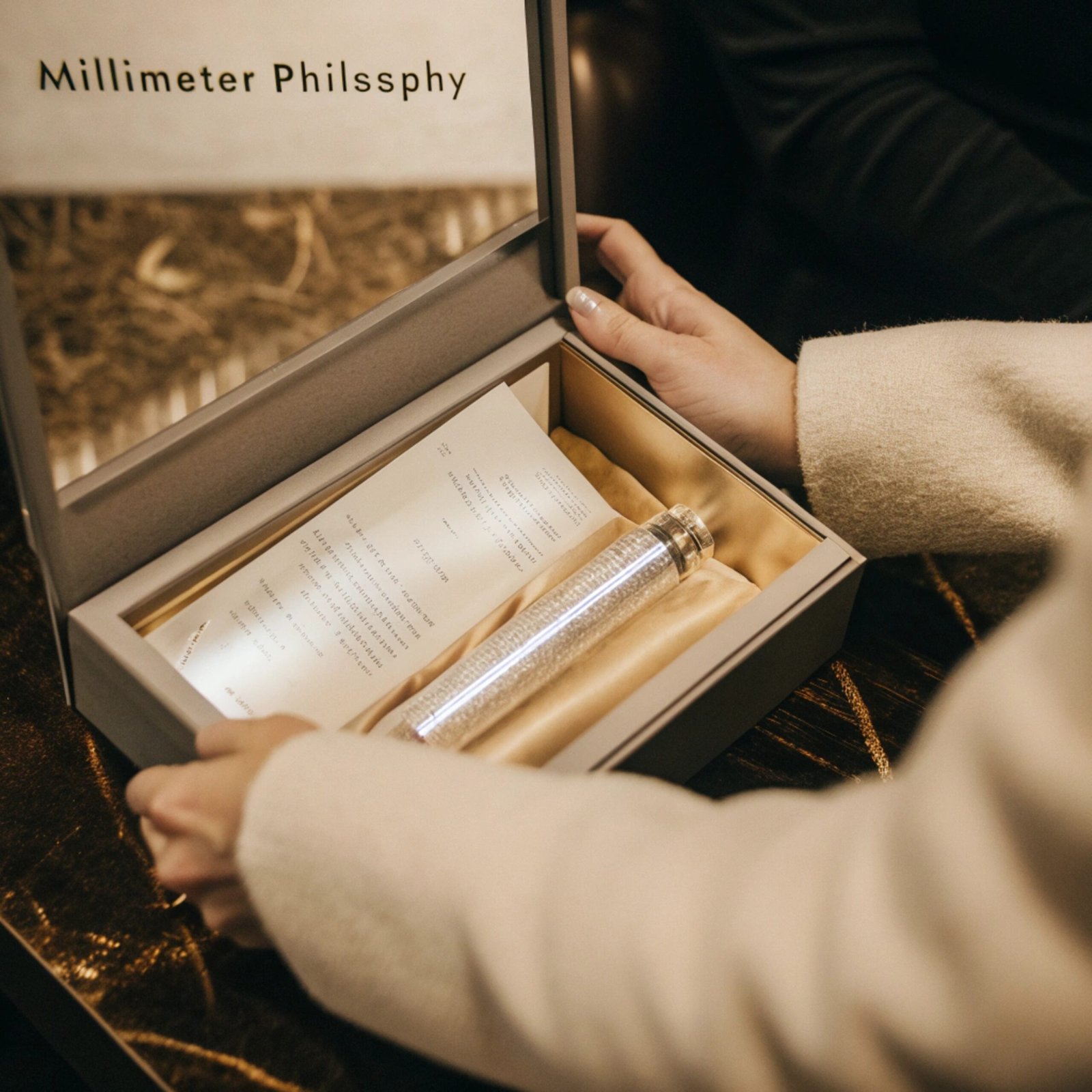
At our company, we have what we call an "unboxing lab" where we use high-speed cameras to analyze every micro-moment of the opening process. Success is measured in millimeters and newtons. One major phone brand came to us after receiving constant complaints that their packaging was too difficult to open. After our redesign, customer service calls about the packaging dropped by over 90%.
The First Touchpoint
The experience fails if it’s not intuitive. We design the opening mechanism to be obvious and effortless. The area where a finger first makes contact should be large enough (over 2cm²) to feel generous, not cramped. The force required to open the lid or slide a drawer should be calibrated between 3 and 5 newtons, strong enough to feel secure but easy enough for anyone to open without a struggle.
The Golden Seven Centimeters
The first few moments of lifting a lid are critical. We found that the smoothness of the first 7 centimeters of travel determines over 80% of the customer’s impression of the box’s quality. We use hidden guide rails and carefully controlled friction to eliminate any sticking or wobbling, creating a single, fluid motion.
The Moment of Surprise
The product reveal is the climax. We often design a 0.5-second pause just before the product is fully visible, building a moment of anticipation. For high-end items, we might use a mechanism that slowly raises the product on an inner platform. Our tests show that a lifting speed of around 3cm per second is ideal, slow enough to feel luxurious but fast enough to hold attention. It makes the product feel like it’s being presented, not just contained. It is this attention to detail that transforms a simple box into a premium experience.
Can a Premium Experience Also Be Sustainable?
You want a premium feel but your customers demand sustainability? You’re stuck trying to choose between creating a luxury experience and meeting your brand’s environmental goals.
Absolutely. Modern sustainable packaging4 can enhance the premium experience. We use innovative solutions like plantable boxes, designs with a second life, and digital integrations that reduce waste while adding a unique, memorable element.
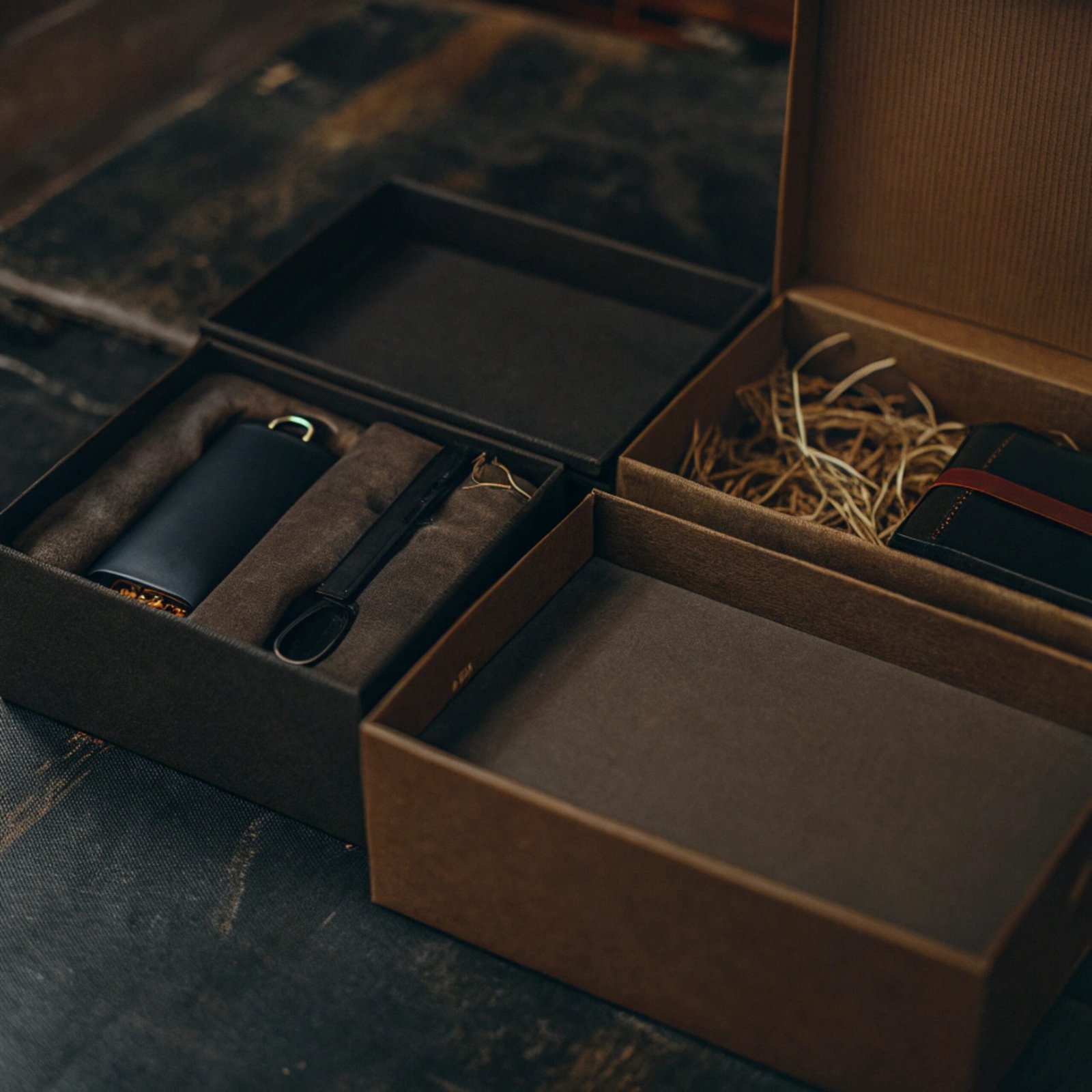
The idea that sustainability means sacrificing quality is outdated. In fact, for today’s conscious consumer, sustainability is a core part of the premium experience. We are constantly developing new ways to merge eco-friendly practices with high-end design, and the results are often more engaging than traditional packaging.
Packaging with a Second Life
The most sustainable package is one that never gets thrown away. We focus on "second-life design," where the box is created to be repurposed.
- A rigid box for jewelry can be designed with removable inserts to become a permanent jewelry case.
- For an electronics brand, we integrated a wireless charging module into the box, turning it into a desktop charging station.
- A beauty box can be designed to perfectly stack and serve as a makeup drawer organizer.
This approach not only reduces waste but also keeps your brand in the customer’s daily life.
Innovative Materials
We are moving beyond just recycled paper. We now work with materials that actively give back to the environment.
- Plantable Packaging: We’ve created boxes embedded with seeds. After unboxing, the customer can soak and plant the packaging to grow herbs or wildflowers. One beauty brand saw a 26% increase in social media shares after launching a plantable box.
- Agricultural Waste: Materials made from agricultural waste like sugarcane (bagasse) or mushrooms (mycelium) offer a premium, textured feel while being fully compostable.
Digital Integration
We also reduce material use by moving components into the digital world. Instead of printing a thick manual, we embed a single QR code that links to an interactive AR tutorial5. This can reduce paper use by up to 80% while providing a richer, more engaging user experience. For one client, a sustainable apparel brand, this approach helped increase their conversion rate by 38%, as customers felt the packaging aligned perfectly with the brand’s values.
Conclusion
The best unboxing is more than a trend; it’s a bridge between your product and your customer. It makes the experience of receiving something in the mail feel personal and special again.
-
Find out the key elements that contribute to a memorable unboxing experience for customers. ↩
-
Explore how magnetic closures can enhance the tactile experience and perceived quality of packaging. ↩
-
Learn how effective packaging strategies can lower marketing expenses and drive sales. ↩
-
Learn how sustainable packaging can align with consumer values and enhance brand perception. ↩
-
Explore how integrating AR into packaging can provide ↩