www.winnerspacking.com

Tel:0086+18067791567

rachel@winnerspacking.com

How can you get the best packaging boxes at a cheap price?

You need quality packaging, but your budget is tight. Sourcing cheap boxes often leads to poor quality that damages your products and brand reputation. Finding the balance feels impossible.

The best way to get quality boxes cheaply is not by finding the lowest price per unit, but by optimizing the entire packaging system. Smart structural design, efficient processes, and clever logistics can drastically reduce your total costs without sacrificing quality.
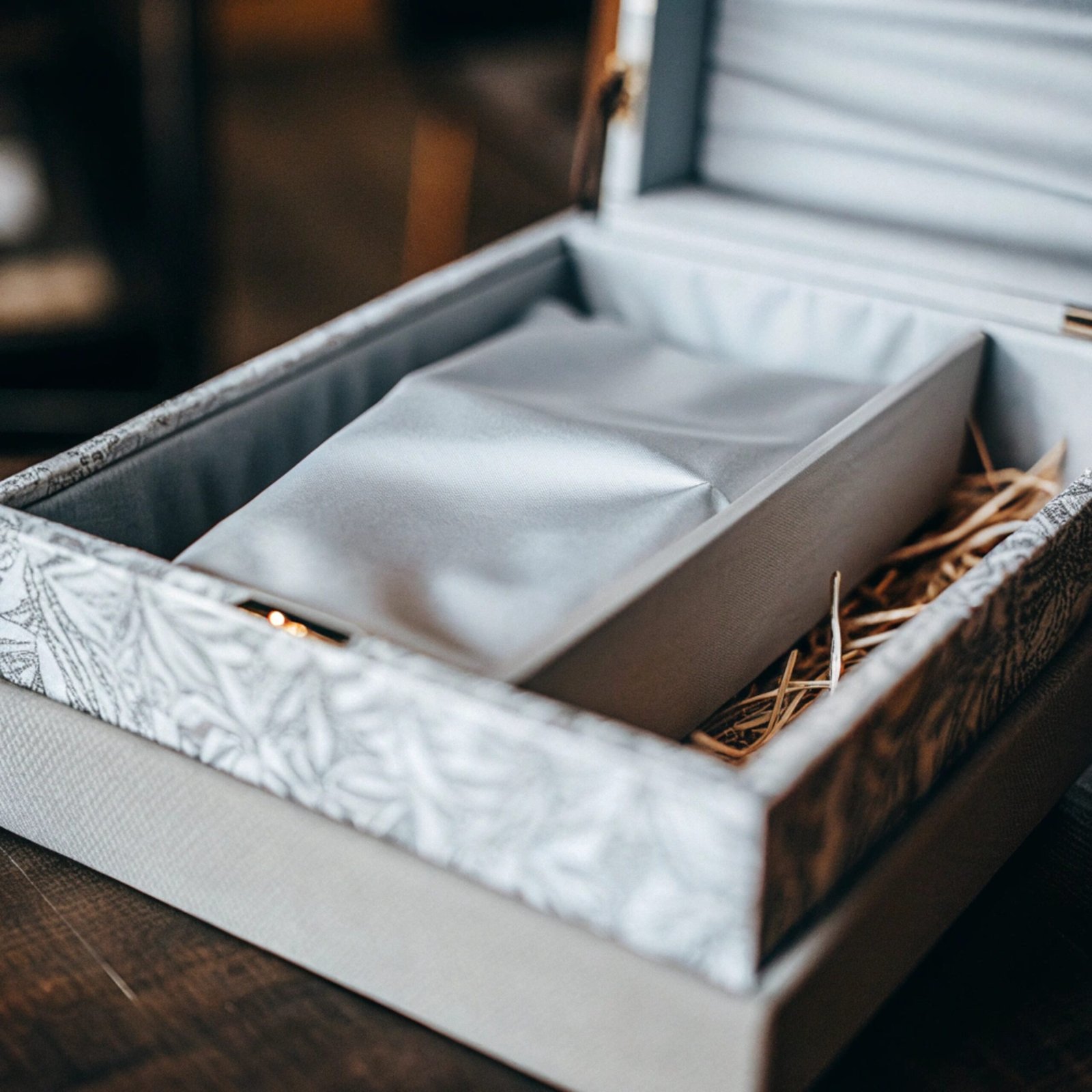
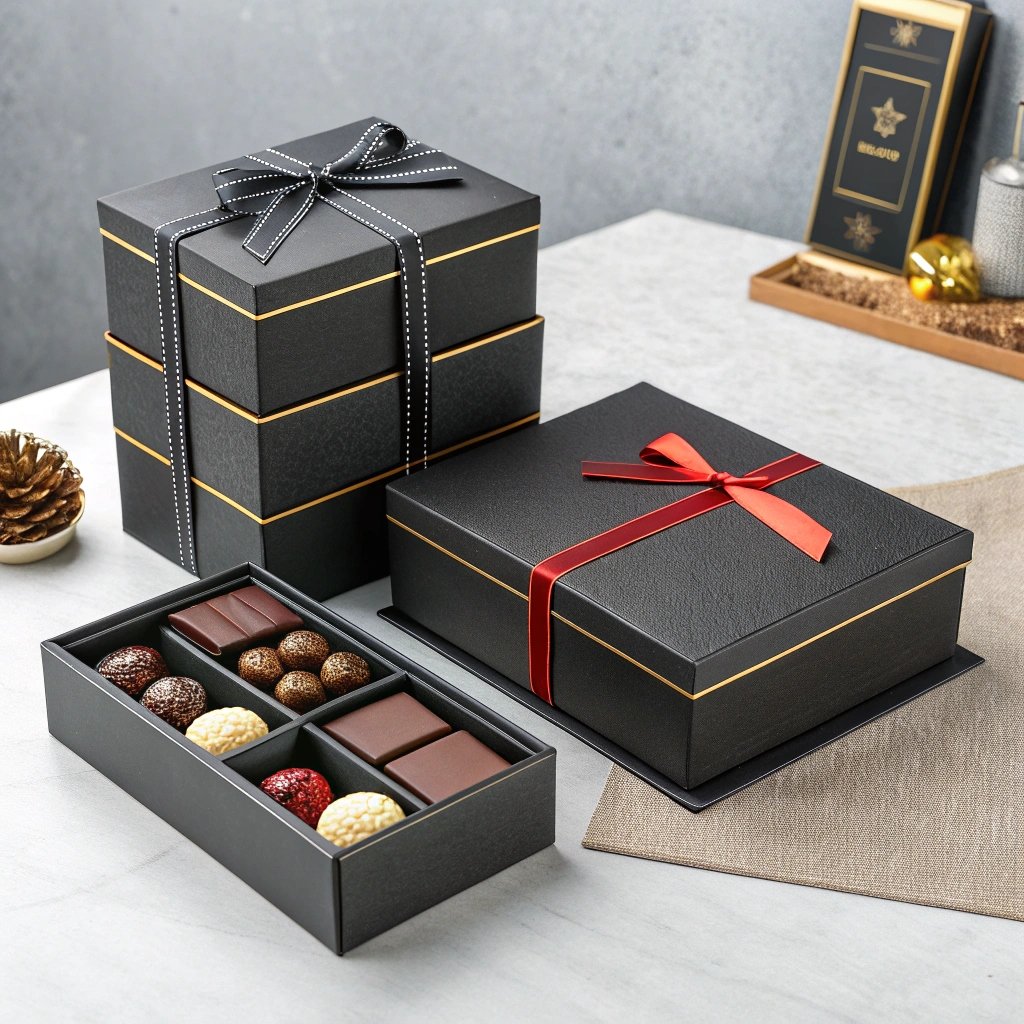
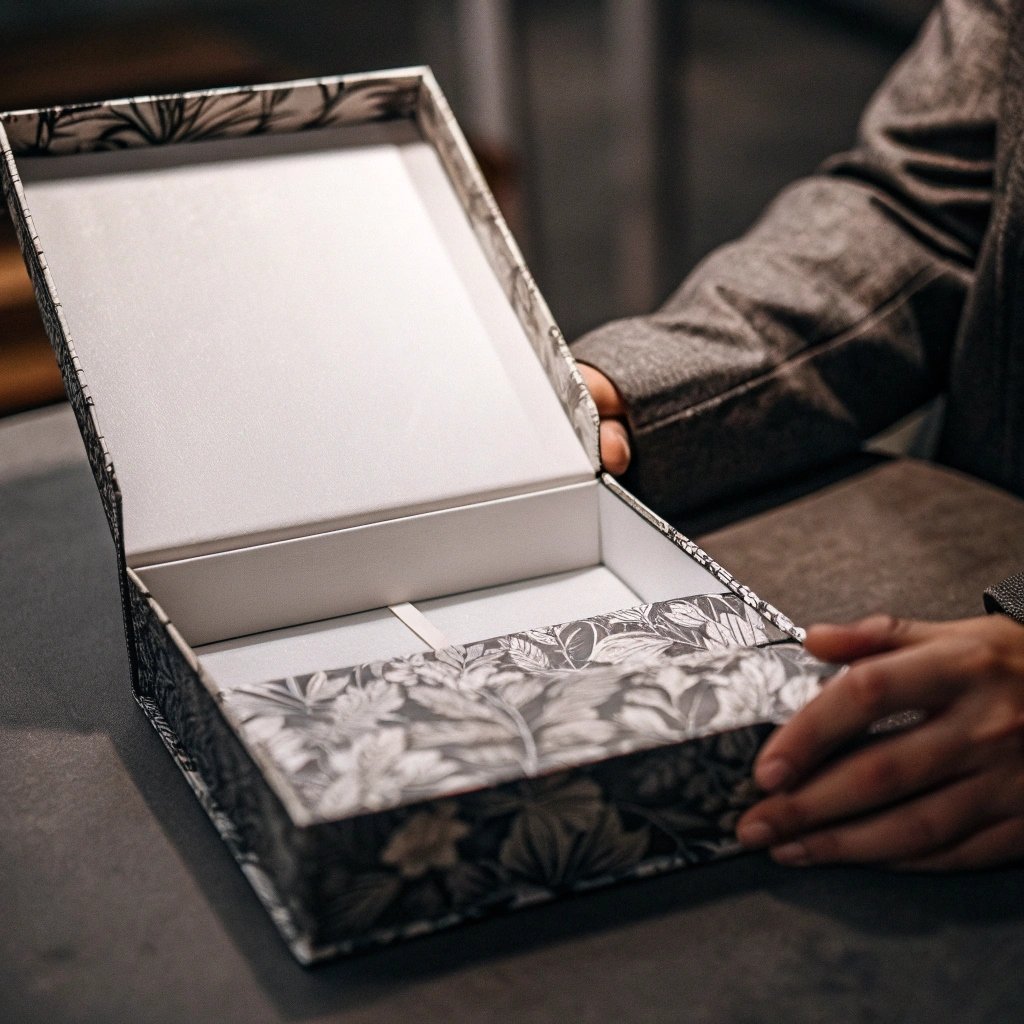
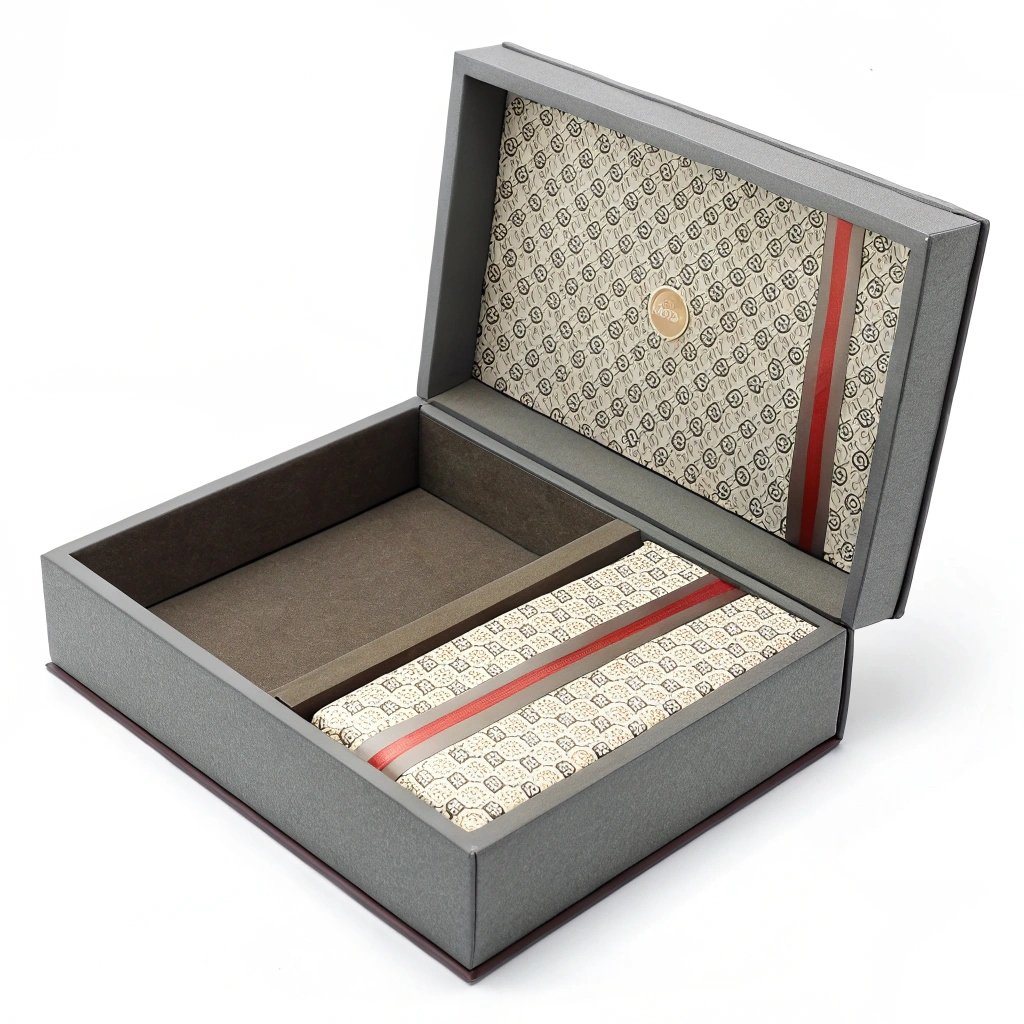
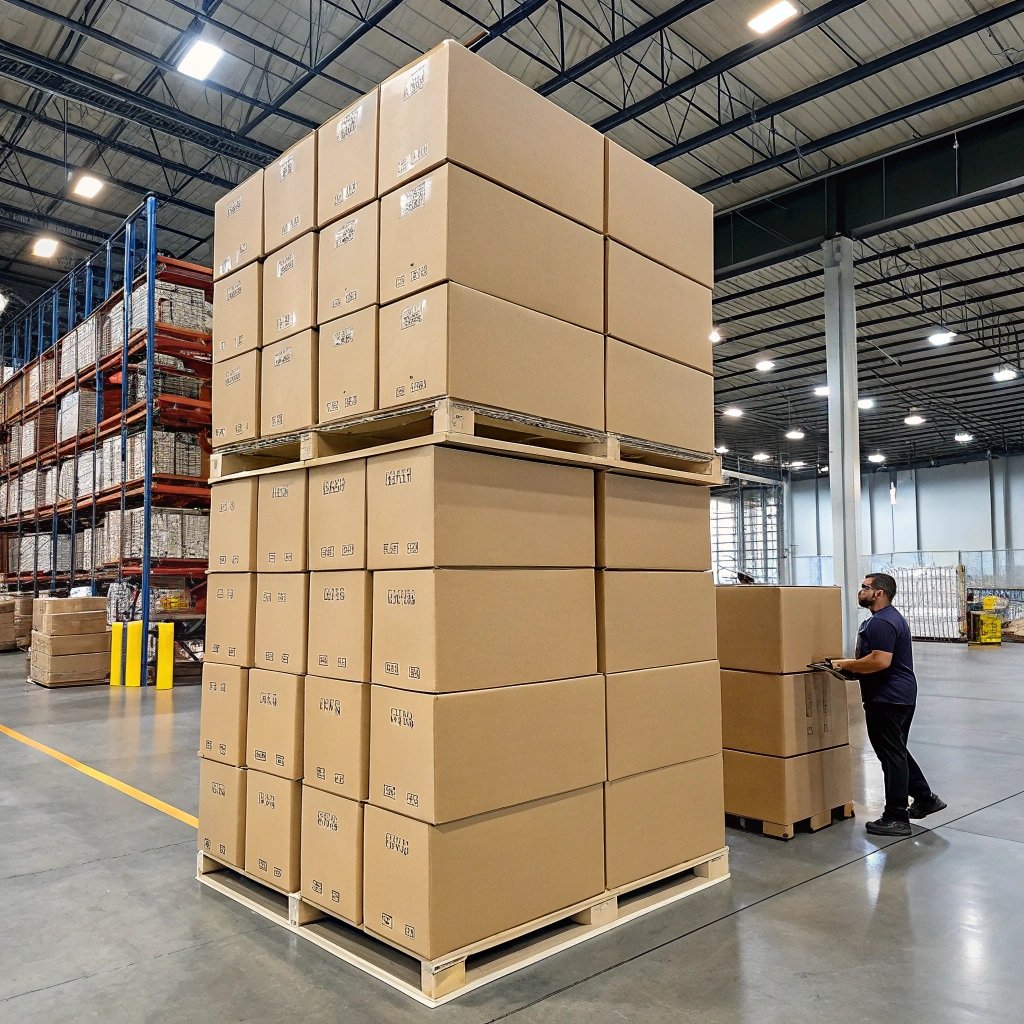
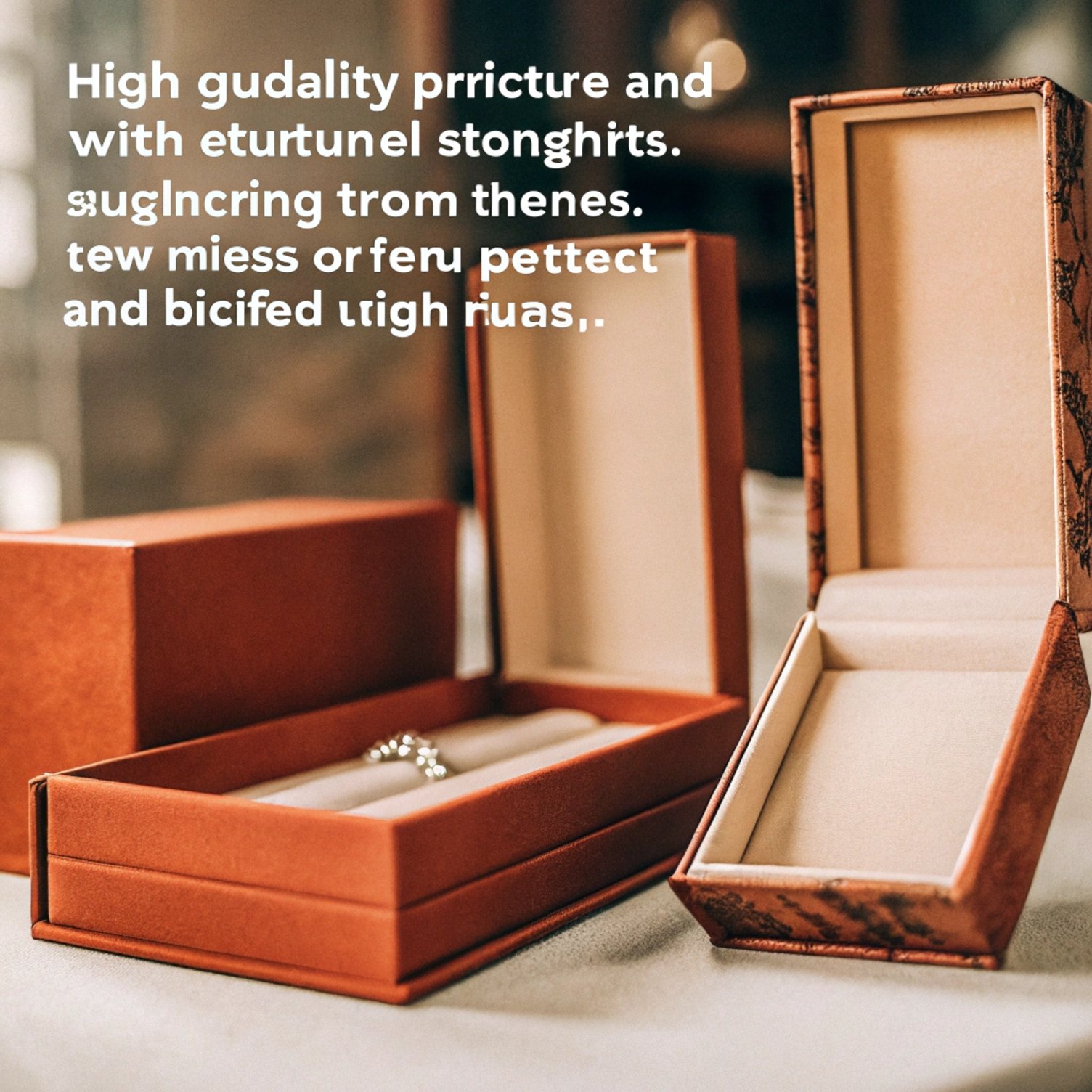
A collage of high-quality yet cost-effective packaging solutions

The search for a "cheap price" can be misleading. I’ve learned that the lowest number on a quote is rarely the best value in the long run. Real savings come from a smarter, more holistic approach. A great partner doesn’t just give you a price; they find you hidden savings throughout your entire process. Let’s look at how to achieve true cost-effectiveness without compromising the quality your brand deserves.

Is there a secret to finding the most cost-effective packaging1?

You’re constantly being asked to cut costs. But cheap materials can make your premium product look ordinary and lead to damage. How can you save money while still protecting and elevating your brand?

The most cost-effective packaging1 is a result of system optimization, not just material cost-cutting. This involves clever structural design to reduce shipping volume2, simplifying finishing processes, and creating modular components to decrease inventory complexity.
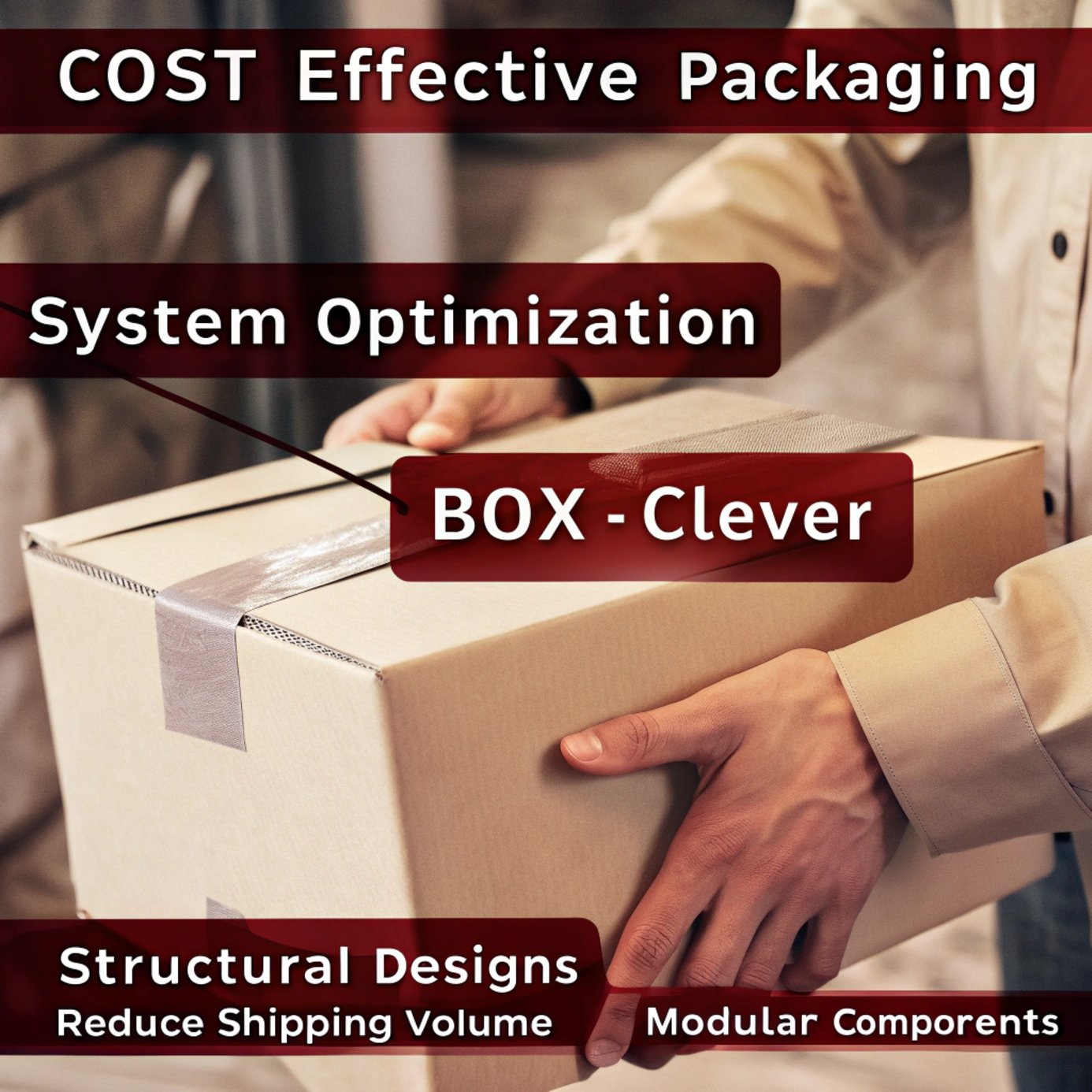
An engineer's diagram showing structural optimization of a box

I worked on a project for an Australian health products company that perfectly illustrates this. Their goal was a 30% cost reduction, which seemed impossible without making the packaging look cheap. Instead of just quoting a lower price, we looked at their whole system. We called this our "Value Optimization" process. By focusing on smart changes instead of just cheaper materials, we not only met their goal but actually improved their packaging’s perceived value. This experience taught me a crucial lesson: the biggest savings are often hidden in plain sight, within the design and logistics, not just the supplier’s price tag.

Let’s explore how we achieved this:

  • Structural Magic: The first thing we did was analyze the box structure itself. We found that by reducing the box height by just 5 millimeters, we could fit significantly more units into a shipping container. This small change saved them 17 cubic meters of shipping space annually, a massive saving on freight costs.
  • Process Subtraction: The original design called for expensive hot foil stamping. We suggested switching to a deep debossing technique. The final look was just as elegant and premium, but this simple change in craft reduced the finishing costs by 40%. The customer got a similar high-end effect for a fraction of the price.

How can smart design choices save money on materials and shipping?

You have many different products, each needing its own box. This means high SKU counts, complex inventory management, and increased costs for tooling and storage. Can you simplify this without a one-size-fits-all solution?

By developing modular and adjustable components, like internal trays, you can use the same outer box for multiple products. This drastically cuts down on the number of unique box sizes (SKUs) you need to produce and manage, leading to significant savings.

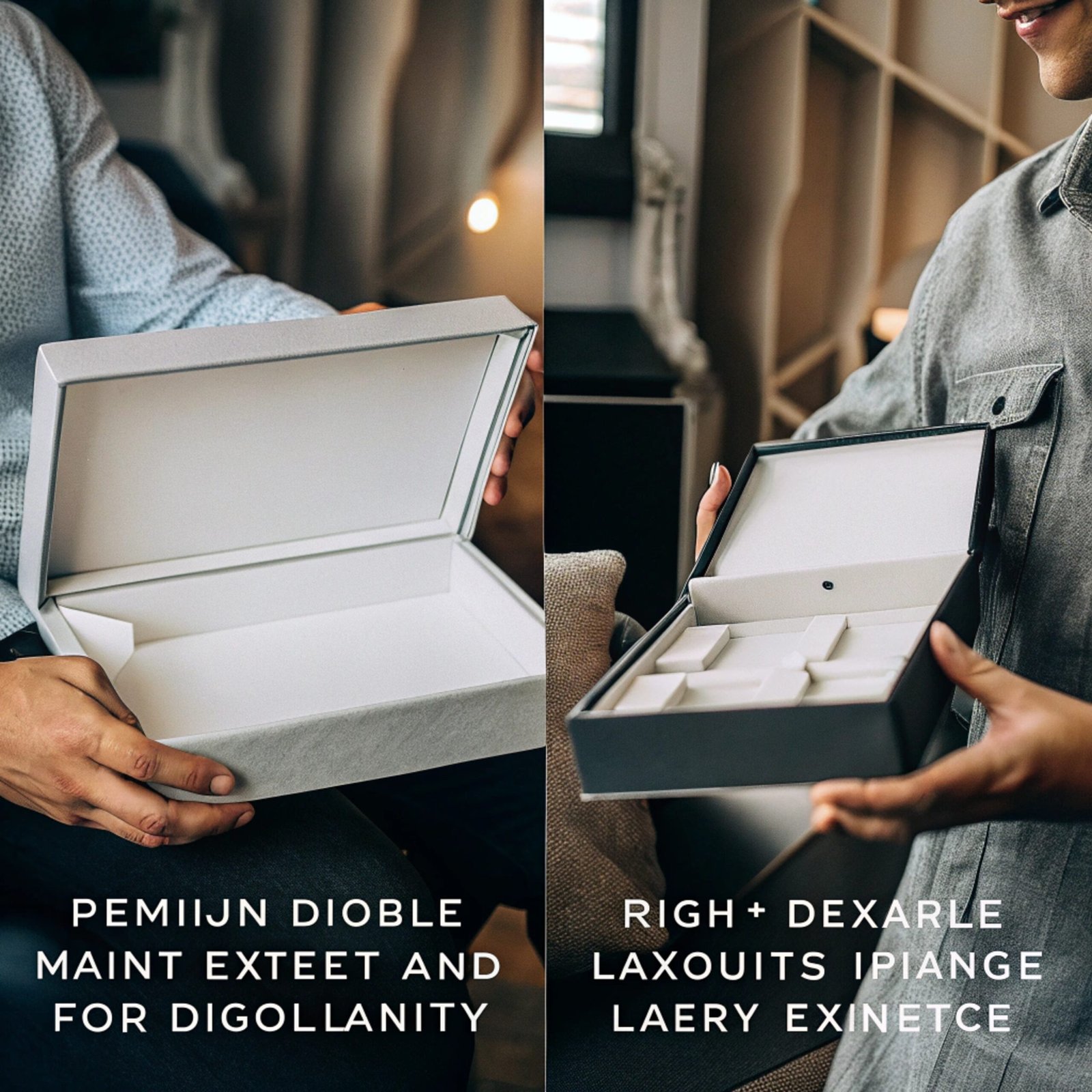
A packaging box with adjustable internal trays for different products

For my Australian client, managing inventory for their wide range of bottle sizes was a major headache and expense. Every product had a unique box. Our solution was to design a single, elegant outer box and create a set of adjustable internal trays. This modular design was a game-changer. It allowed them to use the same packaging for dozens of different products, simply by changing the insert. This consolidation strategy was incredibly effective and shows how thinking inside the box can lead to big savings. True cost optimization comes from making your packaging work smarter, not just cheaper.

Let’s break down the impact of this modular approach:

  • SKU Reduction: This was the biggest win. By creating adjustable inserts, we reduced their packaging SKU count by a staggering 70%. This meant less money tied up in inventory, simplified warehouse management, and fewer production runs.
  • Tooling Savings: Fewer unique box designs mean fewer cutting dies and printing plates are needed. This significantly lowers the initial setup costs for production.
  • Flexibility: They could now launch new products or change bottle sizes without needing to design and order completely new packaging from scratch, making them much more agile in the market.

Where is the cheapest place to get boxes made and assembled?

You’ve found a low price for boxes, but the costs add up. High labor costs for assembling the boxes at their destination can erase any initial savings. Is there a way to manage total cost better?

Sourcing from a country with lower production costs, like China, and having the supplier pre-assemble the boxes is often cheapest. This tactic leverages lower labor rates for assembly, saving you significant money compared to assembling them in high-wage countries.
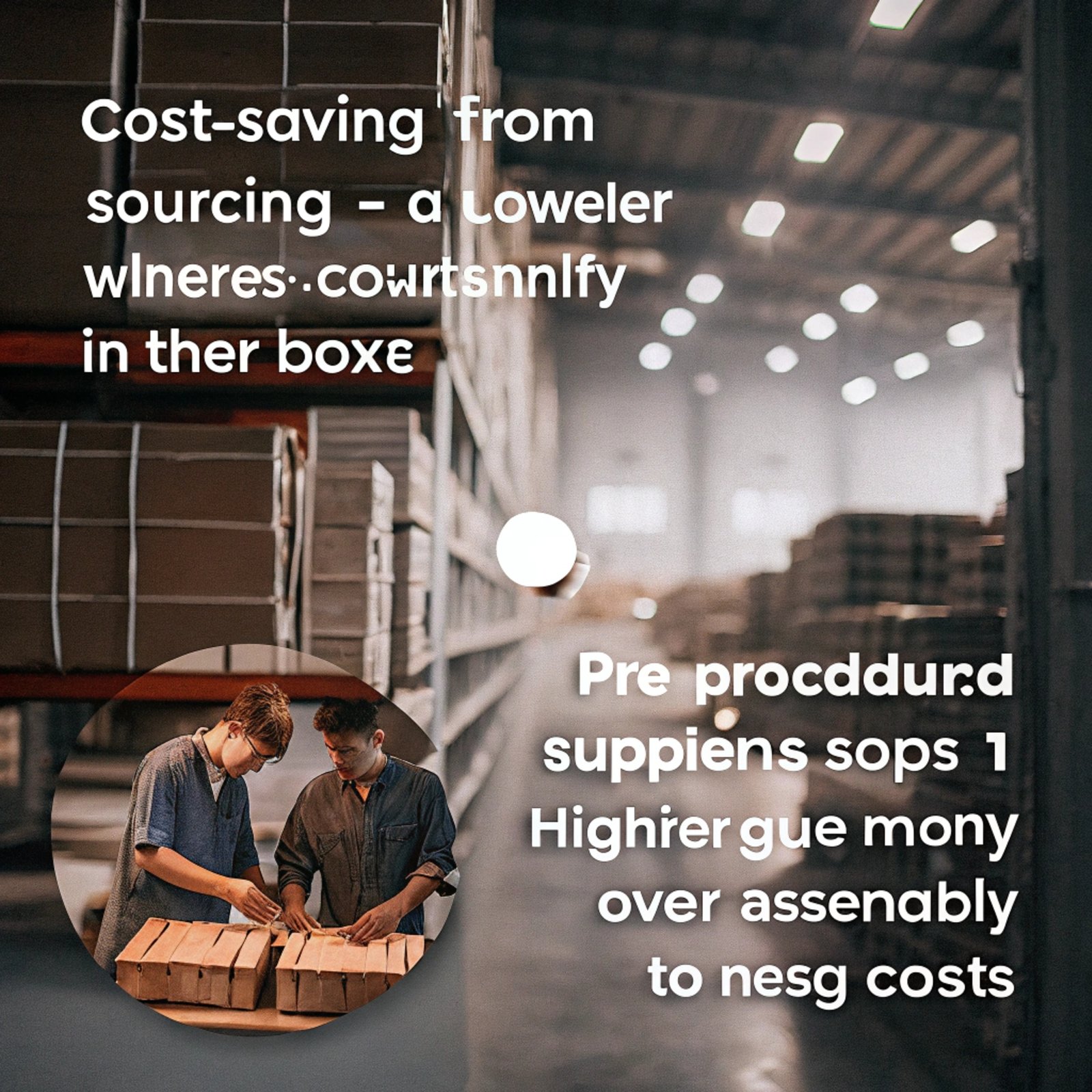
A factory assembly line showing workers pre-assembling packaging boxes

This was the final piece of the puzzle for our Australian client. Assembling flat-packed boxes in Australia was expensive due to high local labor costs. We proposed a new strategy: we would handle 80% of the assembly here in our facility in China. The boxes would arrive practically ready to go, needing only the final product insertion. This shifted a significant portion of the labor cost from a high-cost environment to a lower-cost one. This pre-assembly strategy alone was a huge financial win and emphasizes why you must look at the total landed cost, not just the factory price.

Here’s why this strategy is so powerful for brands like Mike’s, who need to manage costs for US and EU markets:

  1. Lower Labor Rates: We completed the most time-consuming parts of the assembly at a much lower labor cost.
  2. Reduced On-Site Labor: Their team in Australia could pack products faster, with less manpower needed for tedious box folding.
  3. Faster Time-to-Market: With assembly already done, they could get their products onto shelves much more quickly after the shipment arrived.

In the end, by combining all these system optimizations, the client’s total packaging cost dropped by 31%, and the packaging quality actually went up.

Conclusion

True savings on packaging come from smart system optimization, not just squeezing suppliers for the lowest price. A good partner helps you find value in design, process, and logistics.
  1. Find out the key factors that contribute to cost-effective packaging solutions for your business. 

  2. Explore how minimizing shipping volume can lead to significant cost reductions in logistics. 

What Are the Main Benefits of Using Rigid Boxes?

Your premium product is let down by flimsy packaging. This damages your brand’s reputation before the customer even sees the product. Rigid boxes offer a solution that protects and impresses.

The main benefits of rigid boxes are superior product protection, an enhanced luxury unboxing experience that increases perceived value, and a high rate of reusability, which extends brand exposure long after the initial sale.

A collection of high-end rigid boxes for various products

Whenever I see a child using one of our boxes as a pencil case, or when I notice a five-year-old sample still displayed proudly in a client’s showroom, I know we’ve succeeded. It confirms my belief that the true value of packaging isn’t just in the moment it’s opened, but in its ability to become something cherished, something people don’t want to throw away. If you’re looking for packaging that becomes a keeper, let’s explore why rigid boxes are the answer.

How do rigid boxes enhance product value and protection?

Standard boxes can get crushed or look generic. This can lead to product damage and a disappointing unboxing experience for your customers. Rigid boxes provide a powerful alternative that solves both problems.

Rigid boxes offer unmatched structural strength to protect items during shipping. Their high-quality finish and substantial feel immediately signal a premium product, justifying a higher price point and elevating the overall brand experience.

An elegant two-piece rigid box for a luxury product

For a purchasing manager like Anne, the packaging must perform two jobs: protect the asset and build the brand. Rigid boxes excel at both. I think of them like excellent architecture—they need a solid foundation for strength and a beautiful skyline for appeal. This dual function is what creates real, measurable value. It reduces the costs associated with damaged goods while simultaneously increasing customer loyalty and perceived brand worth.

Let’s break down these key advantages:

  • Structural Integrity: Made from thick, non-bending greyboard, rigid boxes are incredibly strong. They resist crushing and impact far better than folding cartons. This was critical for an electronics client of mine, where we slashed their product damage rate from 15% to less than 1% simply by switching to a well-designed rigid box.
  • Perceived Value: A rigid box feels substantial. Its weight, smooth wrapped edges, and satisfying fit between lid and base create a tactile experience that screams "luxury." This premium feel allows brands to command higher prices and reinforces the quality of the product inside.
  • Unboxing Experience: The reveal is part of the product. Two-piece rigid boxes, often called "lift-off lid" boxes, create a moment of anticipation and ceremony. This slow, deliberate unboxing process makes the product feel more special and creates a memorable, shareable experience for the customer.

Are rigid boxes an eco-friendly packaging1 choice?

Your brand is committed to sustainability, but you need a premium solution. It feels like you have to choose between luxury and being eco-friendly. Can a high-end box also be good for the planet?

Yes, rigid boxes can be a very eco-friendly option. They are primarily made from greyboard, which is often 100% recycled paper. They are also highly reusable and durable, which extends their life and reduces waste.

A rigid box with a recycling symbol and natural branding

This is a frequent and important conversation I have with clients like Anne, who is responsible for meeting US and EU market standards for sustainability. The key is to understand the full lifecycle of the packaging. While the initial production is more resource-intensive than a simple mailer, the long-term benefits often create a better environmental story. My core belief is that the most eco-friendly product is one that doesn’t get thrown away.

Here’s how rigid boxes contribute to sustainability:

  • Recycled Core: The structural greyboard2 inside the box is almost always made from post-consumer recycled paper pulp. This gives a second life to wastepaper and reduces the need for virgin materials.
  • Reusability: This is the biggest advantage. Rigid boxes are not disposable. Customers keep them for storage, organization, or as decorative pieces. One of my artisanal food clients found that customers were reusing their beautiful boxes as kitchen organizers, keeping the brand’s logo visible in their home for months.
  • Recyclability: While the base materials are recyclable, the final product’s recyclability depends on the finishes. For a box to be easily recycled, it’s best to avoid non-paper additions.
Feature Eco-Friendly Consideration Best Practice for Recyclability
Core Board Almost always made from 100% recycled paper. Fully recyclable.
Wrap Paper Can be FSC-certified or contain recycled content. Choose uncoated or clay-coated papers.
Lamination Plastic-based (matte/gloss) laminates make recycling difficult. Opt for a biodegradable laminate or an aqueous varnish.
Magnets/Ribbons These are contaminants in the paper recycling stream. Design the box to be closure-free or use recyclable paper ribbons.

By making conscious choices about materials and finishes, we can design a rigid box that is both luxurious and responsible.

Conclusion

Rigid boxes are a valuable investment. They protect your product, elevate your brand’s image, and offer a sustainable packaging solution through their high potential for reuse and recycled content.


  1. Investigate the sustainability aspects of rigid boxes and their environmental impact. 

  2. Learn about the materials that make rigid boxes strong and durable. 

What Are The Best Materials For Rigid Boxes?

Choosing the right material feels overwhelming. A wrong choice can make your luxury product look cheap. The best material is a perfect match between a strong inner core and a beautiful outer wrap.

The best material is a combination. It uses a thick, sturdy paperboard like chipboard for the core structure. Then, a decorative paper is laminated on the outside. This wrap paper1 is chosen based on your branding needs, such as printing quality, texture, and eco-friendliness.

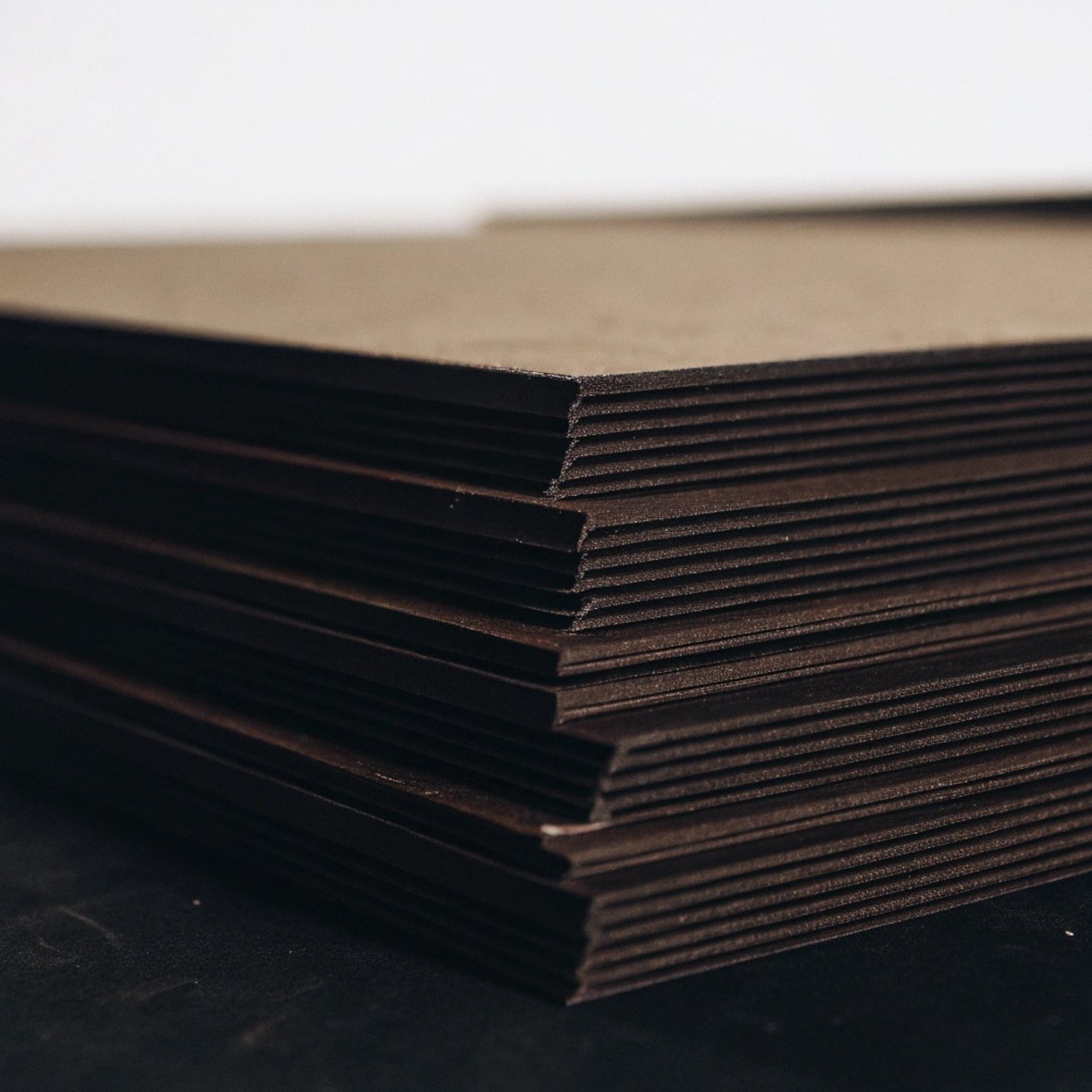
Different thicknesses of grey cardboard for rigid boxes

When I see a client receive a sample box and they instinctively stroke the surface, I know we’ve made the right choice. Or when I notice a flight attendant carefully placing one of our boxes into an overhead bin, as if it were a precious item itself. These moments remind me that choosing a material isn’t just a technical decision; it’s an emotional one. The best material is one that makes your product speak. The best packaging creates an experience that makes the receiver almost reluctant to open it. If you are looking for that "reluctant to open" feeling, let’s explore how to achieve it.

What material is used for rigid boxes?

You hear "paperboard" but that term is vague. Using the wrong kind of paperboard can result in a box that feels weak. You need to know the specific components for a truly rigid box.

Rigid boxes are made from two key materials. The first is a thick, dense inner core called chipboard or greyboard for structure. The second is a thinner, decorative wrap paper that is glued and laminated to the outside for branding and visual appeal.

Diagram showing the core chipboard and the outer wrap paper of a rigid box

To get the best result, we must understand the two parts of a rigid box: the skeleton and the skin. This clarity is crucial when I work with professional buyers like Anne, who need to ensure quality from a distance. The wrong choice in either part can compromise the final product, affecting everything from durability to brand perception. Let’s break down these two essential components.

The Core: The Box’s Skeleton

The core provides all the strength. It’s made from a very dense, non-bending paperboard, usually called chipboard or greyboard. This material is made from recycled paper pulp that has been compressed into a thick sheet. It is not designed to be pretty; it is designed to be strong. The thickness is the most important factor here. A thicker core means a stronger, heavier, and more premium-feeling box2. The selection of the right thickness directly impacts the box’s structural integrity and its ability to protect the product inside, especially during shipping.

Chipboard Thickness Recommended Use
1.5 mm Small, lightweight items (e.g., small jewelry, USB drives)
2.0 mm Medium-sized items (e.g., candles, cosmetics, smaller electronics)
2.5 mm Larger products (e.g., shoes, skincare sets)
3.0 mm Heavy or high-value items (e.g., spirits bottles, luxury electronics)

The Wrap: The Box’s Skin

The wrap paper is what your customer sees and touches. This is where your brand comes to life. This paper is laminated onto the chipboard core. You can choose from a huge variety of papers to achieve the exact look and feel you want. This layer carries your printed design, your logo, and any special finishes like embossing or foil stamping. The wrap is not just decoration; it’s a key part of the unboxing experience, communicating brand quality before the product is even revealed.

What paper is best for rigid boxes?

There are so many paper choices, and it’s easy to get confused. Choosing based on looks alone can cause problems with printing or durability. The best paper aligns with your specific brand goals.

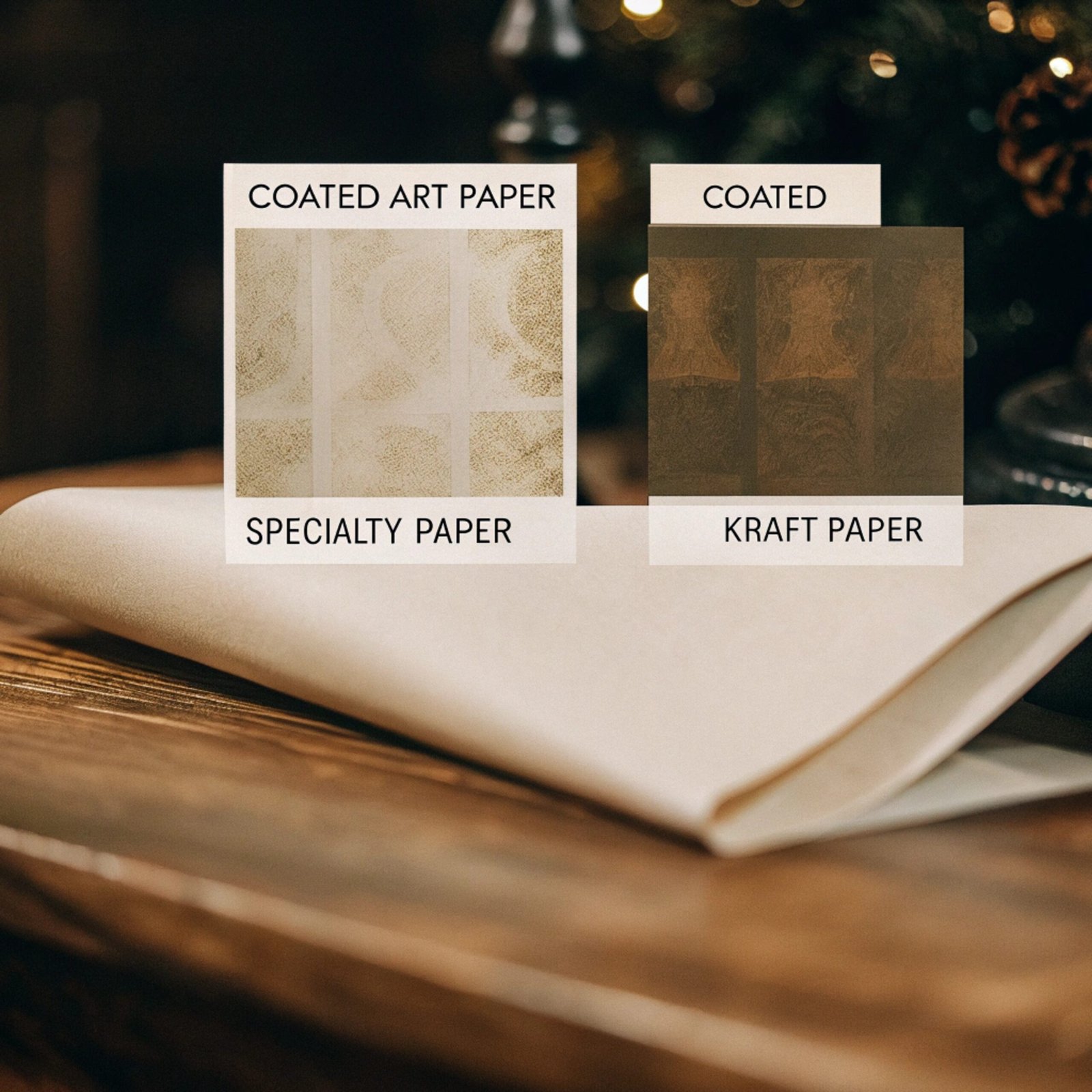
The best wrap paper depends on your objective. Coated art paper is best for high-quality, vibrant photo printing. Textured specialty paper is best for a tactile, luxury feel. Kraft paper is best for an eco-friendly, natural aesthetic.

Close-up of different paper textures for wrapping rigid boxes

For my clients, choosing the wrap paper is the most exciting part. It’s where we translate brand strategy into a physical experience. Do you want sharp, colorful graphics that pop? Or do you want a subtle, elegant texture that whispers "quality"? Your answer determines the best paper for you. For a purchasing manager like Anne, balancing brand image, cost, and sustainability is key. This is a choice that has to be right. A cosmetics brand might choose a pearl-finish paper, while a tech company may prefer a sleek, matte black wrap. Every choice tells a story.

Let’s break down the most common options:

Wrap Paper Type Best For Considerations
Coated Art Paper Vibrant, full-color printing and photos. The smooth surface is excellent for print detail but can show fingerprints. It can be coated with matte or gloss lamination for protection and effect.
Specialty Paper Creating a unique tactile experience. Comes in many pre-dyed colors and textures (linen, leatherette, etc.). Printing can be more challenging and costly.
Kraft Paper An earthy, eco-friendly, and rustic look. Great for sustainable brands. The natural brown or white color provides a distinct canvas. Print results are more muted.
Foil Paper / Fabric Ultra-premium, high-end luxury products. Foil paper gives a metallic shine. Fabric wraps (like silk or velvet) offer unmatched softness and luxury. This is the highest cost option.

So, if you are an e-commerce brand with bold, colorful branding, coated art paper with a matte laminate is a fantastic choice. If you are an artisanal food producer, Kraft paper might perfectly communicate your natural-ingredient philosophy. For a high-end watch, a textured specialty paper or even a fabric wrap is what creates that unforgettable moment.

How to wrap a rigid box?

You have your core and you have your wrap paper. But how do they come together? A bad wrapping job creates bubbles and misaligned edges, ruining the premium effect completely.

Wrapping a rigid box is a precise manufacturing process. First, adhesive is applied to the printed wrap sheet. Then, a machine accurately places the chipboard core onto the sticky sheet. Finally, the machine folds and tucks the paper edges tightly around the box, creating seamless corners.

A machine wrapping paper around a rigid box

This process is a mix of art and science. I’ve spent years perfecting it with my factory partners. While it can be done by hand for very small quantities, achieving perfect consistency for a large order requires specialized machinery. This automation is what allows buyers like Anne to trust that every single box in a shipment of thousands will meet her brand’s high standards. Even a tiny mistake can reduce the perceived value of the product inside.

Here’s a simplified breakdown of the automated process:

  1. Printing & Cutting: Your design is printed onto large sheets of wrap paper. A die-cutter then cuts them to the exact shape needed to wrap the box, including flaps for the edges.
  2. Gluing: The cut sheets travel on a conveyor belt, and a roller applies a thin, even layer of glue to the back of each sheet.
  3. Spotting: This is the most critical step. A robotic arm or sensor places the flat chipboard core precisely onto the center of the glued wrap paper. An error of even a millimeter here will result in a crooked wrap.
  4. Wrapping & Folding: The machine then systematically folds the extending paper flaps up and over the sides of the chipboard. It uses pressure and heat to press the paper down, removing any air bubbles. Then, it carefully tucks and folds the corners for a sharp, clean edge.

The quality of the glue, the precision of the spotting machine, and the skill of the operator all contribute to the final result. This is why partnering with an experienced supplier is so important. A perfectly wrapped box has no bubbles, tight corners, and edges that meet flawlessly. It’s a small detail that makes a huge difference in perceived quality.

Conclusion

The best material is not a single choice, but a thoughtful combination. A strong core gives it structure, while the right wrap paper gives your brand a voice and an emotional connection.


  1. Explore various wrap paper options to enhance your product’s presentation and branding. 

  2. Explore design and material choices that contribute to a high-end packaging experience. 

What is rigid box packaging?

What is a Rigid Box?

Your premium product deserves better than a flimsy box. Poor packaging can damage your brand’s image. Rigid boxes provide the strength and luxury feel that elevates your product instantly.

Rigid box packaging1 is a type of premium, sturdy packaging made from thick paperboard. It’s not collapsible like folding cartons. This creates a durable, high-end feel, often used for luxury goods like electronics, cosmetics, and jewelry to enhance the unboxing experience and protect the product.

What is Rigid Box Packaging

Over my years in packaging, my proudest moments aren’t about big orders. They are about seeing a client’s product shine on the shelf because of our box. A customer once told my client, "I couldn’t bear to throw away this box." This is the power of great packaging. A rigid box is like a silent salesperson; it speaks of quality without saying a word. To really understand its value, we need to break down what makes it so special. Let’s look closer at what "rigid box" really means.

What does "rigid box" mean?

You need premium packaging, but terms like "rigid box" can be confusing. Misunderstandings with suppliers are costly. Knowing the exact definition helps you source the right box with confidence.

A "rigid box" means a non-collapsible box constructed from high-density paperboard, typically 2-3mm thick. This robust core, often called greyboard or chipboard, is then wrapped with a decorative paper2 or fabric. The result is a durable, premium-feeling box that holds its shape and communicates luxury.

The meaning of a rigid box

When I work with brand managers like Anne, clarity is key. The term "rigid box" describes a specific construction method, not just a feeling of sturdiness. It’s about a two-part process. First, we create the “skeleton” of the box using a thick, dense paperboard. This material is not meant to be folded or flattened after assembly, which is why we call it rigid. Next, we give it its "skin". We laminate a high-quality paper or other material onto this skeleton. This wrap paper is where your branding lives; it can be printed, embossed, or have a unique texture. The combination of a strong core and a beautiful exterior is what defines a rigid box. This method gives you a final product that feels substantial and protective, unlike a standard folding carton that ships flat. It tells your customer that the item inside is valuable before they even open it.

What does "rigid packaging" mean?

Understanding "rigid box" is one thing, but what about the broader term "rigid packaging"? This can cause confusion when sourcing materials. It is important to know the difference.

"Rigid packaging" is a broad category for any container that holds its shape and does not collapse when empty. It includes materials like glass, hard plastics, metal, and heavy paperboard. Rigid boxes are a specific type of rigid packaging made from paperboard.

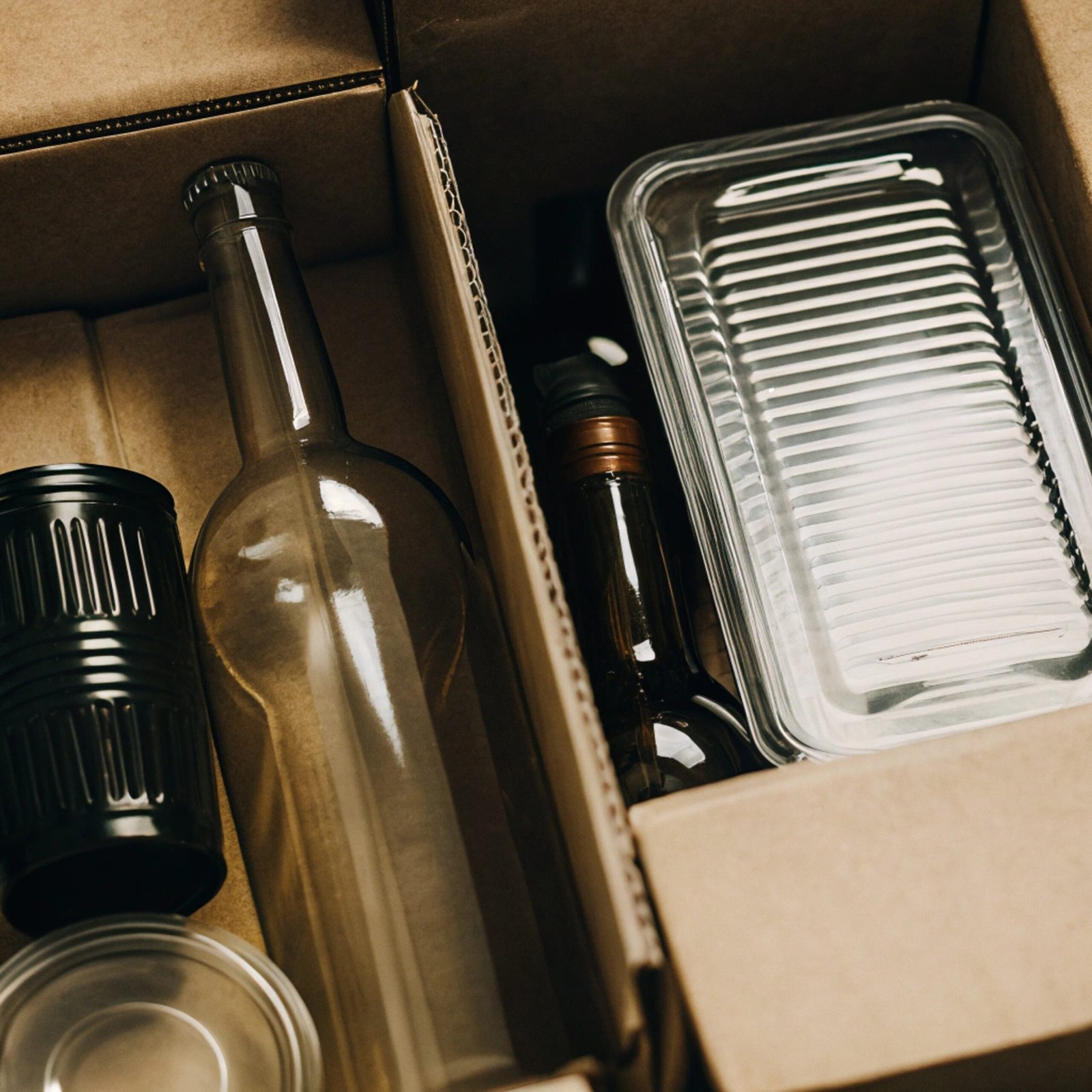
Examples of different rigid packaging materials

The term "rigid packaging" covers a wide range of materials, and it’s a useful concept for a purchasing manager. Think of it as an umbrella term. A glass perfume bottle is rigid packaging. A plastic jar for cosmetics is rigid packaging. A metal tin for tea is rigid packaging. And yes, a paperboard gift box for a new smartphone is also rigid packaging3. The common feature is that they all provide excellent structural protection because they don’t bend or change shape easily. This makes them ideal for fragile products, high-value items, or products that need to be stacked in a warehouse or on a retail shelf. So, when we talk about rigid boxes, we are focusing on one specific, very premium solution within this larger family of protective packaging options. For brands focused on sustainability and premium paper-based solutions, the rigid box is the top choice in this category.

What is an example of a rigid box?

You know the theory, but seeing real-world examples makes the concept click. You’ve likely handled many rigid boxes without thinking about their specific name. They are everywhere in high-end retail.

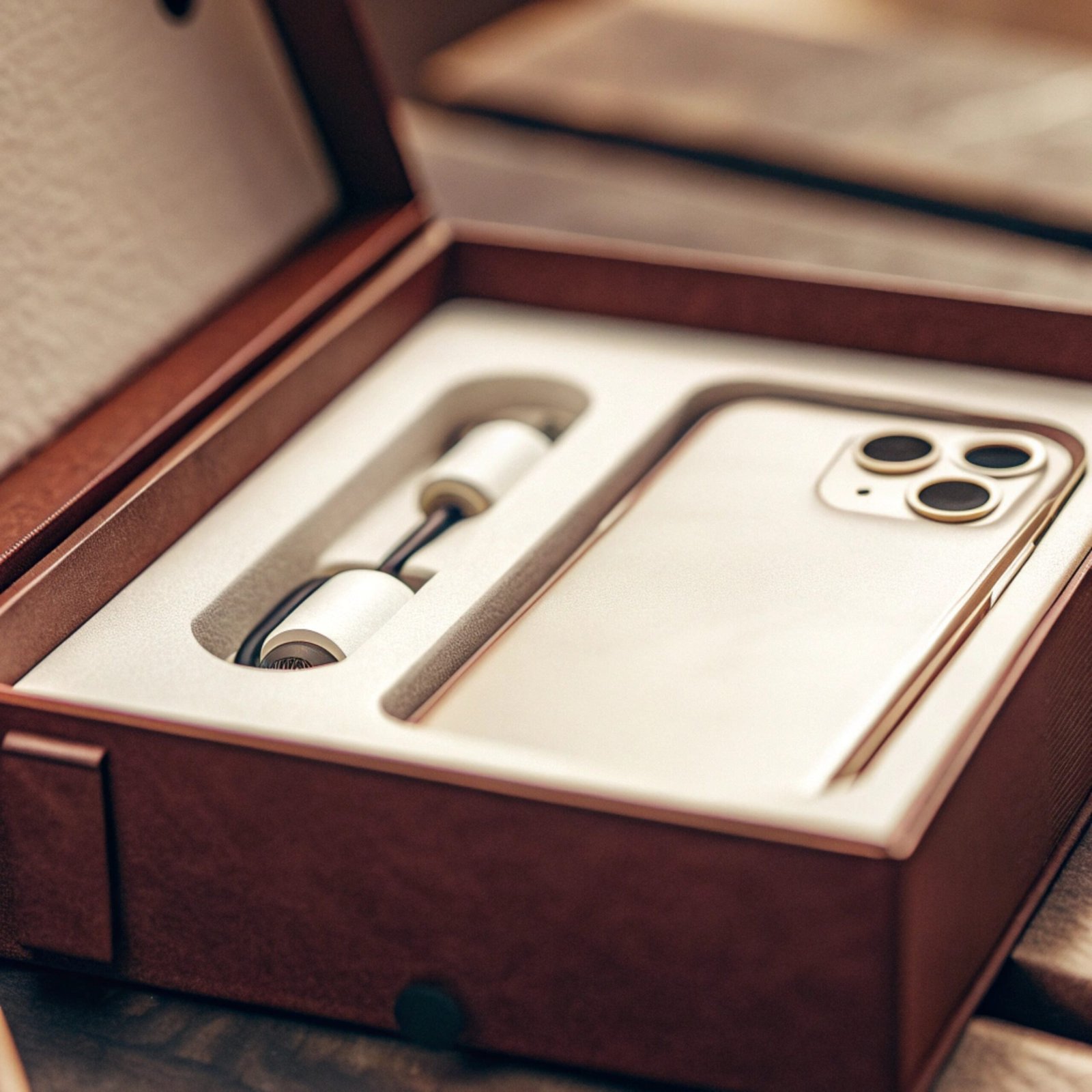
A perfect example of a rigid box is the packaging for a new smartphone, like an iPhone. It features a sturdy base and a perfectly fitting lid, feels substantial and protective, and often includes custom inserts to hold the device and accessories securely in place.

An iPhone box as an example of a rigid box

The smartphone box is the classic example I use with all my clients. Think about that unboxing experience. The lid lifts off slowly with a bit of air resistance. The phone is revealed, nestled perfectly in a custom-fit tray. Every accessory has its own compartment. This is all by design. The entire package is heavy, solid, and feels incredibly well-made. This is the magic of a rigid box. It turns a simple purchase into a memorable event. Another great example is a luxury watch box4 or a high-end jewelry box. It’s often lined with velvet or satin and has a magnetic closure that clicks shut with a satisfying sound.

Here are a few common examples:

Product Category Rigid Box Example Key Features
Electronics Smartphone or headphone box Tray inserts, magnetic closure, high-quality print
Cosmetics Luxury perfume or skincare set box Embossing, foil stamping, special textures
Food & Beverage High-end chocolate or whiskey box Window patching, product dividers, premium feel5
Apparel Luxury shoebox or gift set box Ribbon pulls, custom interior printing

Each of these examples uses the rigid box to protect the product and elevate the brand’s perceived value.

What is an example of a rigid packaging?

We know a rigid box is one type of rigid packaging. But what are some other examples? This helps to place the rigid box in the wider context of your sourcing decisions.

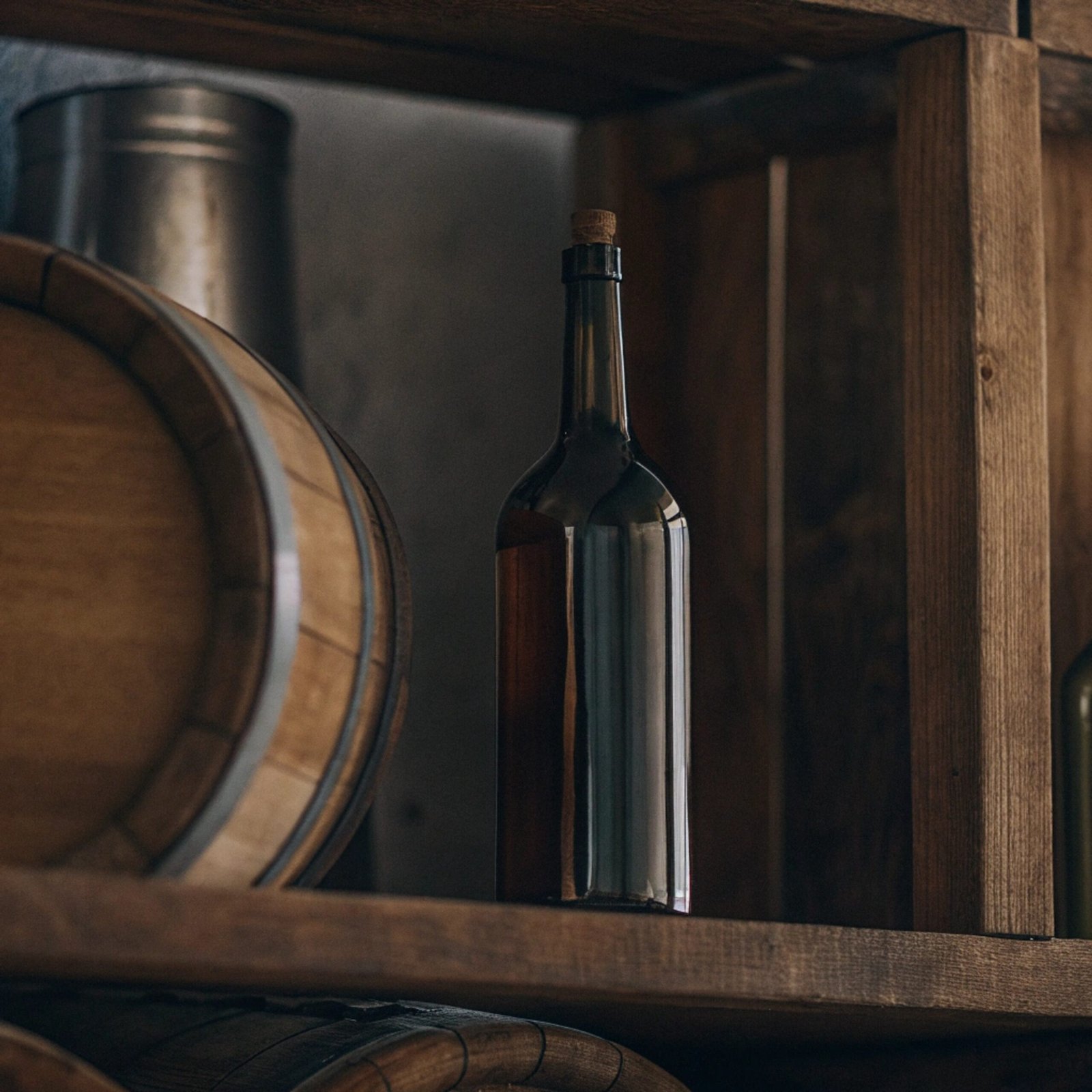
A glass wine bottle is a classic example of rigid packaging. It is unyielding, protects the liquid inside from external pressure, and holds its distinct shape on the shelf and in transit. Other common examples include hard plastic tubs for food and metal cans.

A wine bottle as an example of rigid packaging

As a packaging partner, I help my clients choose the right material for their product. Sometimes, a paperboard rigid box is the perfect fit. Other times, the product demands something else from the rigid packaging family. For instance, a winemaker client would never use a paperboard box as the primary container. Their product requires a glass bottle—a classic form of rigid packaging—to preserve the wine’s quality. Similarly, a company selling yogurt would use a rigid plastic tub to contain the product and keep it fresh. The key is that the packaging’s form is fixed and provides a solid barrier. Let’s compare a few examples to see this clearly.

Packaging Type Material Key Characteristic Common Use
Rigid Box Paperboard Premium, customizable, protective Luxury goods, electronics
Glass Jar Glass Impermeable, transparent, recyclable Jams, sauces, cosmetics
Plastic Tub Hard Plastic Lightweight, moisture-resistant Yogurt, ice cream, butter
Metal Can Aluminum/Steel Airtight, durable Beverages, canned foods

All these are "rigid packaging," but they serve different functions. Understanding this helps you, the purchasing manager, make an informed decision based on your product’s specific needs—from protection and preservation to branding and sustainability goals.

Conclusion

Rigid boxes are more than just containers. They are a powerful statement about your brand’s quality and value. Choosing the right one can make your product truly sing on the shelf.


  1. Explore this link to understand how rigid box packaging can enhance your product’s presentation and protect its quality. 

  2. Discover the various types of decorative paper that can enhance the aesthetic appeal of your packaging. 

  3. Find out which packaging materials are best suited for luxury products to ensure quality and appeal. 

  4. Discover the unique features of luxury watch boxes that enhance the product’s perceived value. 

  5. Explore the elements that contribute to a premium feel in packaging and how they affect consumer perception. 

Nowadays, are custom rigid boxes ruling several industries?

Are custom rigid boxes worth the investment for your brand?

Your product is amazing, but it arrives in a flimsy box. This creates a poor first impression and hurts your brand. You need packaging that shows quality from the very first touch.

Yes, custom rigid boxes are becoming the top choice in many industries. Their strong structure and premium feel make them perfect for luxury goods, cosmetics, electronics, and high-end food products. They protect the item inside and greatly improve the brand’s perceived value.

A collection of custom rigid boxes for different industries like cosmetics, electronics, and luxury goods.

I’ve spent my career watching great products fail because of poor packaging. It’s a silent killer for a brand’s reputation. A customer’s first physical interaction with your brand is the box it arrives in. If that box feels cheap, the product inside instantly feels less valuable, no matter how good it is. That’s why I always guide my clients to think of packaging not as a cost, but as a crucial part of their product. We need to bridge that gap between online perception and in-hand reality. This is where the power of a good rigid box comes into play, and I want to walk you through exactly why and how they make such a big difference.

What is a rigid box?

You see these beautiful, sturdy boxes but might not know what to call them. You need a packaging solution that feels substantial and looks expensive, but where do you start?

A rigid box is high-end packaging made from thick, non-bending paperboard, often called greyboard. This inner frame is then wrapped with a decorative paper. This construction makes the box very strong, durable, and gives it a premium feel.

An exploded view of a rigid box showing the greyboard structure and the outer wrap paper.

Let’s break it down further. The core of a rigid box is the greyboard, which is a type of chipboard made from recycled paper. Its thickness is what gives the box its strength and "rigid" quality. It doesn’t fold or collapse like a standard cardboard box. Then, we have the outer wrap. This is where the magic happens for branding. I’ve worked with clients using everything from simple printed art paper to luxurious specialty papers with textures like linen, leather, or soft-touch finishes.

The construction method is also key. The greyboard is cut and scored, then its corners are assembled to form the box shape. The wrap paper is then carefully glued and laminated over this structure. This process creates sharp, clean edges and a seamless finish. There are several common styles, each with its own purpose.

Box Style Description Best For
Two-Piece A separate lid that fits over a base. Also called a lid-and-base box. Gift sets, electronics, apparel.
Drawer Box A sleeve with a box that slides out like a drawer. Jewelry, small electronics, cosmetics.
Book-Style Box Hinged on one side to open like a book. Often has a magnetic closure. Luxury kits, press kits, special editions.
Collapsible Box Ships flat and is assembled with magnets or adhesive strips. E-commerce, saving on shipping costs.

A client of mine in the artisanal food business wanted to enter a premium market. We chose a book-style rigid box for her chocolate collection. The magnetic snap closure provided a satisfying "click" that made opening the box feel like unveiling a treasure. That small detail transformed her product from just candy into a luxury gift experience.

What are the advantages of rigid boxes?

You want your product to stand out and feel valuable. Plain packaging gets lost on the shelf and in the mail. You need a solution that communicates quality and protects your product effectively.

Rigid boxes offer superior product protection due to their strong build. They also greatly enhance brand perception with a premium look, offer high customization options for a unique design, and create a memorable unboxing experience for the customer.

A customer happily unboxing a product packaged in a beautiful custom rigid box.

The benefits of using rigid boxes are significant, and I see them transform my clients’ businesses time and again. The first, and most obvious, is brand elevation. A heavy, well-constructed box immediately signals a high-quality product inside. This perceived value allows brands to position themselves in a more premium segment of the market. For one of my cosmetics clients, switching to rigid boxes for their skincare kits led to a noticeable increase in social media shares from customers showing off the packaging.

Next is protection. I once worked with an electronics exporter whose product damage rate during shipping was nearly 15%. This was a huge cost. We designed a custom rigid box with a specific foam insert. The damage rate dropped to less than 1%. The rigid structure simply doesn’t get crushed easily, making it ideal for fragile or high-value items.

The unboxing experience is another huge win. A rigid box isn’t just torn open; it’s opened with a sense of ceremony. The satisfying slide of a drawer box or the lift of a snug lid creates a memorable moment. This positive feeling becomes associated with your brand.

Finally, these boxes are often reused by customers. I’ve heard stories of my clients’ boxes being used for storing jewelry, keepsakes, or office supplies. This means your brand stays in your customer’s home long after the product is gone, acting as a constant, subtle advertisement. It’s a powerful form of marketing that you just don’t get with a disposable box.

What are the disadvantages of rigid boxes?

You are sold on the premium feel of rigid boxes. But you worry about the cost and logistics. Are they too expensive or difficult to ship for your business? This is a valid concern.

The main disadvantages of rigid boxes are their higher production cost compared to folding cartons, larger shipping volume as most don’t ship flat, and longer production lead times. Their composite materials can also make recycling more complex.

A stack of non-collapsible rigid boxes taking up space in a warehouse, illustrating the shipping volume issue.

I believe in being transparent with my clients, and we must talk about the downsides. The most significant factor is cost. Producing a rigid box is a more labor-intensive process involving more materials than a simple folding carton. The unit price is higher. However, I always ask my clients to weigh this against the potential increase in perceived value and the reduction in product damage. Often, the return on investment is well worth it.

Next is shipping and storage. Most traditional rigid boxes are pre-assembled and don’t fold down. This means they take up a lot of space during shipping from my factory to your warehouse, and also in your storage space. This increases freight costs. For my e-commerce clients, this can be a major hurdle. However, there is a great solution: collapsible magnetic rigid boxes. They ship flat to save money and are easily assembled, combining the best of both worlds.

The production timeline is also longer. The multi-step process of cutting the board, wrapping it, and letting the glue set takes more time than producing a folding carton. You need to plan for this longer lead time in your product launch schedule. Finally, recyclability can be a concern for brands focused on sustainability. Since rigid boxes are made of paperboard and paper, they are recyclable. But additions like magnets or ribbons may need to be removed first, which can be a barrier for consumers. We always discuss material choices, like using eco-friendly papers and soy-based inks, to mitigate this.

What are the benefits of custom two piece rigid boxes?

You need a classic, reliable, and impressive packaging solution. With so many styles, choosing can be overwhelming. You want a box that is both high-quality and cost-effective.

The custom two-piece rigid box, also known as a lid-and-base box, is popular for its timeless design, structural integrity, and excellent cost-performance ratio. Its simple construction is versatile for various products and creates a classic unboxing reveal.

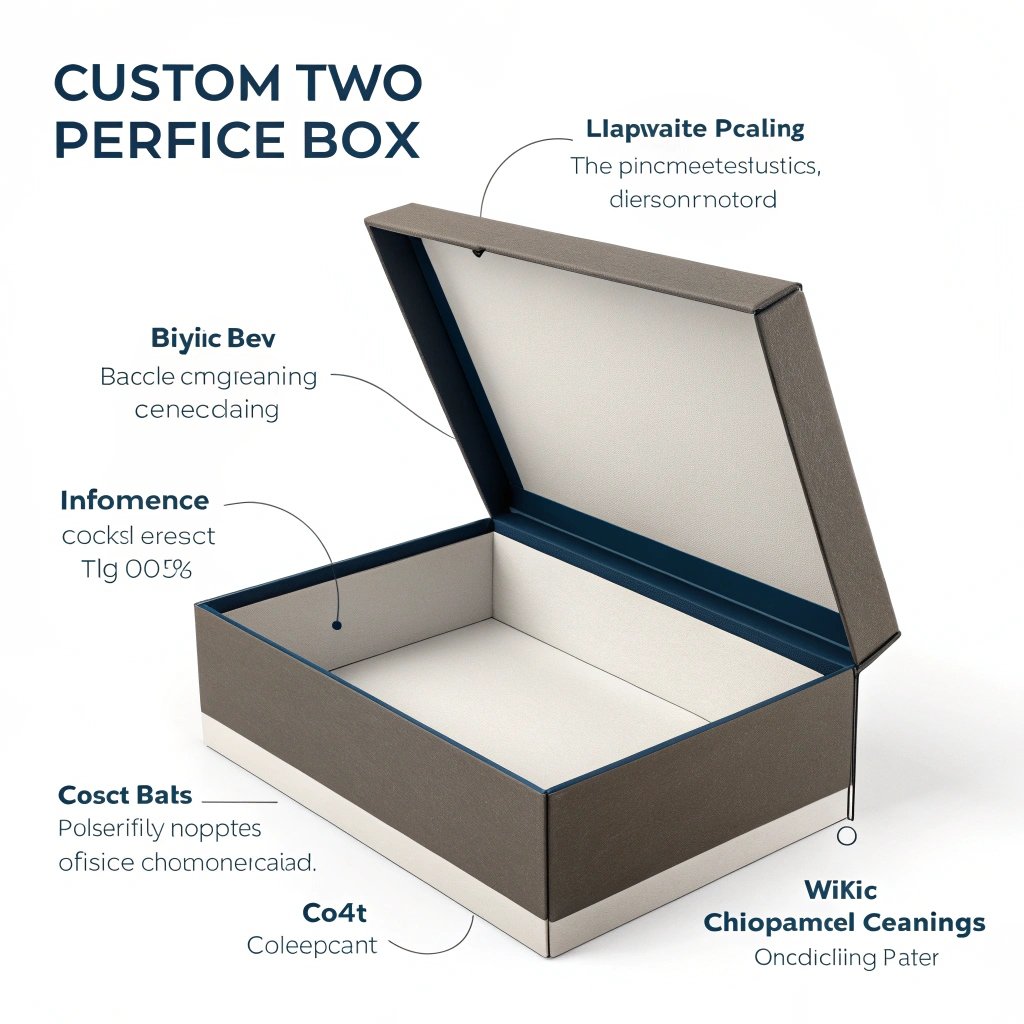
A close-up of a high-end, custom two-piece rigid box, showing the perfect fit between the lid and base.

When clients are unsure where to start with rigid boxes, I often recommend the two-piece style. It’s the quintessential luxury box that people immediately recognize, think of the iconic iPhone box. Its simplicity is its greatest strength. The design consists of a base tray and a lid that fits over it. This straightforward construction makes it one of the more cost-effective rigid box styles to produce, offering a fantastic entry point into premium packaging.

The unboxing experience is phenomenal. The friction and air pressure created when slowly lifting a well-made lid creates a moment of anticipation that is hard to replicate. I worked with a spirits brand that used a full-cover lid on their gift boxes. The slow reveal as the customer lifted the lid built excitement and made the bottle inside seem even more special. This "sense of ceremony" is a powerful emotional tool for a brand.

From a practical standpoint, this style is incredibly versatile. It works for almost any product, from clothing and shoes to candles and electronics. It’s also a perfect canvas for customization. You can apply any finish, from foil stamping to embossing, to both the lid and the base. Custom inserts made from foam, paperboard, or fabric can be easily designed to fit snugly inside the base, securing the product perfectly. Its strength also provides excellent protection. The two-piece rigid box is a true workhorse, delivering on looks, function, and value.

Conclusion

In conclusion, rigid boxes offer unmatched brand elevation and protection. While they have some cost and logistic considerations, their benefits in creating a premium customer experience often provide a strong return.


Request a Free Quote

Send us a message if you have any 

questions or request a quote. We will be back to you ASAP!

Ask For A Quick Quote

We will contact you within 1 working day